



Decoding the Dates on the Label
Before you can ignore it, you need to understand it. In India, the FSSAI mandates labels that help consumers, but they can be confusing. 'Best Before' is about quality, not safety. Food past this date may lose some flavour or texture but is often still
perfectly safe to eat. On the other hand, a 'Use By' or 'Expiry Date' is a strict safety deadline. Consuming products after this date, especially perishables like dairy and meat, can be harmful. Think of 'Best Before' as a friendly suggestion and 'Use By' as a firm rule.
Trust Your Sense of Touch
Texture is a powerful indicator of freshness that no date can tell you. For fruits and vegetables, firmness is often your best guide. A good tomato or peach should be firm with a slight give, not mushy or overly soft. Cucumbers and peppers should be firm all over, with smooth, unwrinkled skin. Soft spots often signal the start of decay. With leafy greens, crispness is key; avoid anything wilted or slimy. Even with pantry staples, texture matters. Ground spices that have clumped together have been exposed to moisture, which can affect their quality.
Let Your Eyes and Nose Guide You
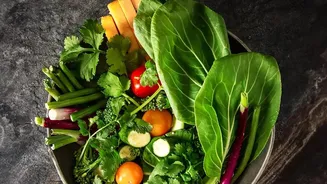
Your other senses are just as important in judging quality. Fresh produce should have vibrant, natural colours. A bell pepper should be glossy and bright, while leafy greens should be a deep, consistent green without yellowing. Dullness or discolouration can indicate age or decay. Smell is another crucial clue. Ripe fruits like melons will have a sweet, fragrant aroma. Any off-odours, sourness, or mustiness are clear warning signs that something is past its prime, whether it's produce, an oil, or a spice. Spices, for example, lose their potent aroma as their essential oils evaporate over time.
Beyond the Fresh Produce Aisle
These principles extend far beyond fruits and vegetables. When buying pantry staples, sensory checks are vital. Packaged goods should have intact seals with no signs of tampering, and cans should be free of dents, rust, or bulging. For items like flour or grains, look for a uniform, fine texture and a neutral smell. Any sign of clumping indicates moisture, and a musty odour means it's time to discard. With spices, the test is simple: crush a small amount in your palm. A vibrant aroma means it's still full of flavour; a weak or dusty scent tells you it has lost its potency. The colour should also be bright and not faded.
Proper Storage Preserves Quality
Once you've brought your high-quality groceries home, proper storage is essential to maintaining their texture and freshness. Keep your refrigerator at or below 4°C and your freezer at -18°C. Store raw meat and poultry on the bottom shelf, sealed or in containers, to prevent juices from dripping onto other foods. Many fruits and vegetables have different storage needs; for instance, tomatoes and bananas are best left on the counter, while leafy greens and berries belong in the fridge. Use airtight containers for dry goods like flour, spices, and lentils to protect them from moisture and pests.