


Tirthan Valley, Himachal Pradesh
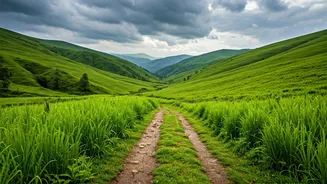
Often called Himachal's best-kept secret, Tirthan Valley is an escape into a world of eco-tourism and untouched nature. [16, 20] Situated on the edge of the Great Himalayan National Park, a UNESCO World Heritage Site, the valley is defined by the crystal-clear
Tirthan River, which is famous for its trout. [7, 19, 37] Unlike commercialised tourist spots, you won't find large resorts here. Instead, charming riverside homestays and campsites offer an intimate connection with the surroundings. [16] The atmosphere is perfect for those looking to disconnect, with activities ranging from trout fishing and birdwatching to trekking through dense forests to find hidden waterfalls like Chhoie Waterfall. [14, 21, 44] The villages of Gushaini and Jibhi provide a glimpse into the slow, traditional Himachali way of life, making the entire valley feel like a peaceful world away from the chaos. [18, 19, 22]
Warwan Valley, Kashmir
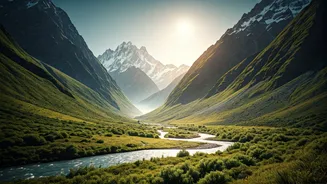
For those seeking true remoteness, Warwan Valley is one of North India's most guarded secrets. [7] Located in Kishtwar district, this sliver of paradise is wedged between the lush forests of the Kashmir Valley and the arid landscapes of Ladakh, creating a unique transitional geography. [7] Its isolation is its main allure; the valley is accessible for only a few summer months via the scenic but challenging Margan Top pass, keeping it wonderfully crowd-free. [9, 30] The journey itself is an adventure, with rugged roads that reward determined travellers with breathtaking views. [23, 30] Inside, Warwan is a world of vast meadows, flowing rivers, and snow-capped peaks, offering an almost surreal level of tranquility. [12] It's a haven for serious trekkers, with trails leading towards Zanskar and Panikhar, but also for anyone content with camping in pristine nature and experiencing a place that remains largely untouched by tourism. [9, 13]
Pangi Valley, Himachal Pradesh
Pangi Valley in Chamba is one of Himachal's most rugged and remote regions, historically used as a place of exile by kings due to its isolation. [8] Sandwiched between the mighty Pir Panjal and Zanskar mountain ranges, reaching Pangi is an achievement, typically involving a journey over the treacherous Sach Pass, which remains open only from July to October. [27, 31] This extreme inaccessibility has preserved a unique cultural fabric, a blend of Hindu and Buddhist traditions, where life remains deeply connected to the seasons. [8] The valley isn't a single entity but a collection of smaller sub-valleys like Sural, Hudan, and Saichu, each with its own distinct charm. [8, 15] Exploring Pangi means navigating cliff-side roads, discovering remote monasteries, and witnessing a way of life that has remained unchanged for centuries, making it feel utterly removed from the modern world. [27, 31]
Darma Valley, Uttarakhand
Nestled in the Pithoragarh district near the Indo-Tibetan border, Darma Valley offers a potent mix of raw natural beauty and unique tribal culture. [7, 26] Shaped by the Darma River, the valley is famed for its spectacular views of the Panchachuli peaks and its collection of 12 tribal villages where the Rung community resides. [17, 32] Until recently, much of the valley was accessible only on foot, preserving its secluded character. [7, 26] While roads have improved, the journey remains an adventure. [26] Visitors can experience local life through homestays, trek to the Panchachuli Base Camp, and explore a landscape of pretty waterfalls and vast meadows. [17, 33] The valley's proximity to the border and its distinct cultural identity make a journey here feel like a true exploration into one of Kumaon's last frontiers. [32, 33]
Turtuk, Ladakh
While Ladakh is famous for its stark, high-altitude deserts, the village of Turtuk in the Nubra region offers a startlingly different world. [24] Located near the India-Pakistan border, Turtuk was closed to tourists until 2010. [20] This long isolation has perfectly preserved its unique Balti culture, which is distinct from the rest of Ladakh. [24] Unlike the barren landscapes nearby, Turtuk is a lush oasis of apricot orchards, barley fields, and traditional stone houses, set against the backdrop of the Shyok River. [20, 24] Walking through its narrow lanes feels like stepping back in time. The pace of life is slow, the people are warm, and the atmosphere is one of profound peace. Its unique history, greenery, and cultural distinction make it one of the most surreal and memorable detours in North India. [36]