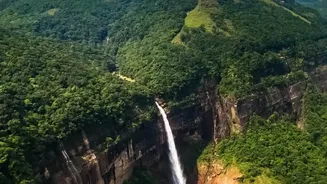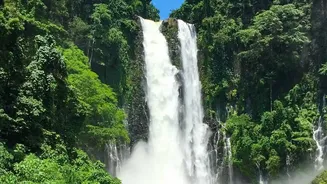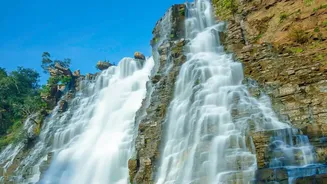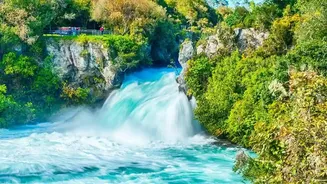



Why Waterfalls are the Main Attraction
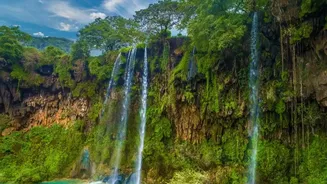
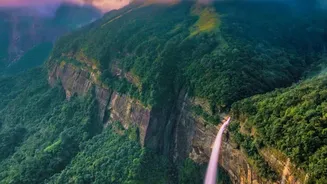
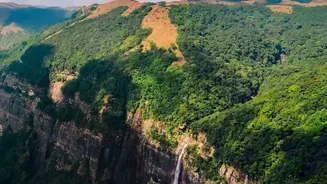
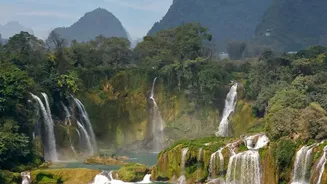
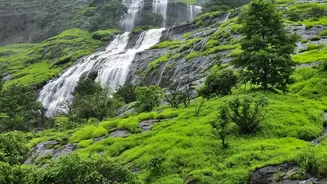
The transformation of the Western Ghats during the monsoon is dramatic. Dry ravines turn into powerful cascades, and the entire region is blanketed in an impossible-to-ignore shade of green. For many, the draw is experiential: trekking through the rain,
hearing the roar of a waterfall, and feeling the spray is a sensory reset from city life. This trend reflects a broader shift in travel, where experiences like nature immersion and adventure are prioritized. Recent travel data shows a significant number of travellers are planning trips with friends to spend quality time together, and these accessible natural spots are perfect for such getaways. The monsoon season, typically from July to September, is when these waterfalls are at their most spectacular.
Bhivpuri Waterfalls, Karjat
A favourite among Mumbaikars, Bhivpuri waterfall is famed for its incredible accessibility. A local train ride on the Central Line to Bhivpuri Road station, followed by a short trek, transports you from the city's concrete jungle into a verdant paradise. The waterfall descends over a series of rocks, creating several pools that are popular for wading, though caution is advised. The trek itself is considered easy to moderate, making it suitable for beginners and family groups. Its popularity as a day-trip destination for students and office groups is a testament to its unique combination of raw nature and convenient train access. For the best experience with fewer crowds, visiting on a weekday or late in the afternoon is recommended.
Vihigaon (Ashoka) Waterfall, Igatpuri
Located near Igatpuri and a popular stop on the way to Nashik, Vihigaon Waterfall is a monsoon-fed cascade that drops from a height of about 120 feet into a pristine pool. Famously featured in the Bollywood film 'Asoka', its cinematic fame is matched by its natural beauty. The area is a hub for adventure sports, with several local operators offering waterfall rappelling for thrill-seekers. The journey to the falls, which involves a hike through a dense forest, is part of the appeal. It's an ideal spot for a weekend picnic, but visitors should note that facilities are minimal, so it's wise to carry your own food and water.
Lingmala Waterfall, Mahabaleshwar
For those heading to the popular hill station of Mahabaleshwar, Lingmala Waterfall is a must-see, especially between July and October. During the monsoon, what might be a thin stream in other seasons becomes a formidable 600-foot cascade that generates its own mist. Located just 6 km from the main Mahabaleshwar bus stand, it is easily reachable by local transport. There are two main viewpoints; a short walk leads to a smaller, family-friendly fall, while a more strenuous trek takes you to the magnificent main waterfall. The well-maintained paths can become slippery in the rain, so proper footwear is essential for a safe visit.
Thoseghar Falls, Satara
A bit further afield but worth the journey, Thoseghar Falls is a series of cascades located about 26 km from Satara. It is renowned for its scale and serene environment, with one of the main drops plummeting from a height of around 200 metres, making it one of the region's tallest. The falls are at their peak during the monsoon, from July to November. A dedicated viewing platform has been built to allow visitors to safely take in the spectacular views of the water plunging into a deep gorge. While you cannot enter the water, the thunderous sound and the panoramic vista of the lush valley make it a powerful natural spectacle.
A Note on Safety
The allure of monsoon waterfalls is undeniable, but it comes with inherent risks. Water currents can be deceptively strong, and flash floods are a real danger. Rocks become extremely slippery, leading to potential falls. Local authorities often issue safety guidelines, and some popular but dangerous spots may have restrictions or be closed to tourists, especially after heavy rainfall. Always check the weather forecast and local conditions before you travel. Wear appropriate footwear with a good grip, avoid getting too close to the edge of cliffs or the base of powerful falls, and never enter water bodies without being certain of the depth and current. Travelling in a group is always safer than going solo.