




Embrace Airtight Containers
The single most important step is to transfer food from bags and packets into airtight containers. High humidity during the monsoon means items like biscuits, salt, sugar, and flours absorb moisture from the air, leading to sogginess, clumping, and staleness.
Good quality glass or BPA-free plastic jars with tight-sealing lids create a necessary barrier against this moisture. Make it a habit to move ingredients into these containers immediately after purchase, rather than leaving them in their original packaging.
Manage Grains, Flours, and Lentils
Grains and flours are particularly susceptible to moisture and pests like weevils, whose activity accelerates in warm, damp conditions. Before storing rice, lentils (dals), or semolina (suji), consider lightly dry-roasting them in a pan for a few minutes and letting them cool completely. This removes residual moisture and significantly extends their shelf life. For added protection, place a few dried bay leaves or neem leaves in containers of rice and flour; these act as natural pest deterrents. Storing items like suji and dalia in the refrigerator after roasting provides even more security.
Protect Your Spices
Indian cooking relies on the potent flavours of spices, which can be quickly dulled by humidity. To prevent ground masalas from turning into hard lumps, store them in smaller, individual airtight containers. Consider keeping ground spices in the refrigerator to maintain their freshness. For whole spices, adding a few cloves to the container can help, as cloves release eugenol, a natural antimicrobial compound that deters pests and mould. Always use a completely dry spoon when scooping out spices and avoid opening jars directly over a steaming pot.
Handle Fruits and Vegetables with Care
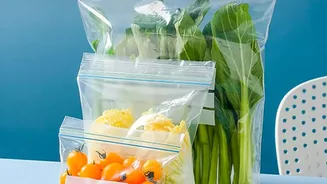
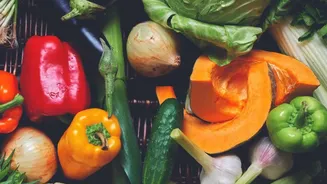
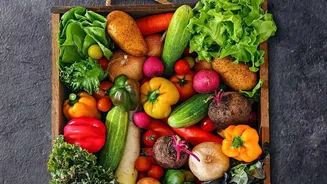
Fresh produce is a favourite for fungus and bacteria during the monsoon. A crucial tip is to avoid washing fruits and vegetables before storing them; wait until you are ready to cook. Excess moisture from washing accelerates spoilage. Leafy greens can be wrapped in paper towels before being placed in a container in the fridge to absorb extra humidity. It's also wise to clean your refrigerator regularly and set it to a slightly lower temperature to prevent it from becoming a breeding ground for mould. Store produce in breathable bags to ensure good ventilation.
Keep Snacks and Biscuits Crispy
There's nothing more disappointing than a soggy biscuit or a soft namkeen. To prevent this, store all snacks in airtight glass jars. For an old-school hack, some suggest adding a few sugar crystals or a small cloth pouch of uncooked rice into the jar to absorb any intruding moisture. Storing biscuits and other dry snacks in the refrigerator is another effective trick to maintain their crunchiness during the most humid months.
Don't Buy in Bulk
While stocking up can be convenient, it's not the best strategy during the monsoon. Because food spoils faster in damp weather, it is better to buy items like flours, snacks, and even some vegetables in smaller quantities more frequently. This ensures you are always using fresher ingredients and reduces the risk of having to discard food that has gone bad. Pay close attention to expiry dates and regularly check your pantry for any early signs of spoilage, such as a musty smell or clumping.