A New Language of Identity
At its heart, the appeal of Indo-Western fusion is about expressing a hybrid identity. For many young people in cities like Mumbai, Delhi, and Bengaluru, life is a blend of global influences and deep-seated cultural roots. This generation doesn't want
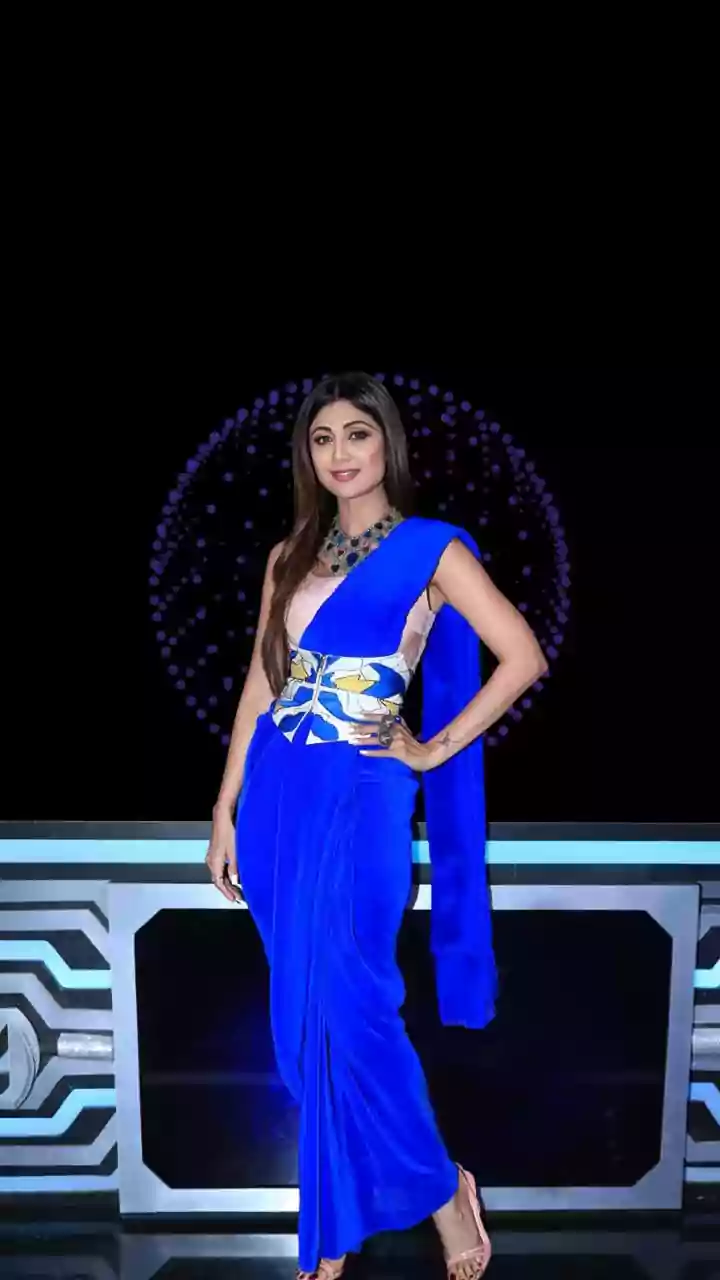
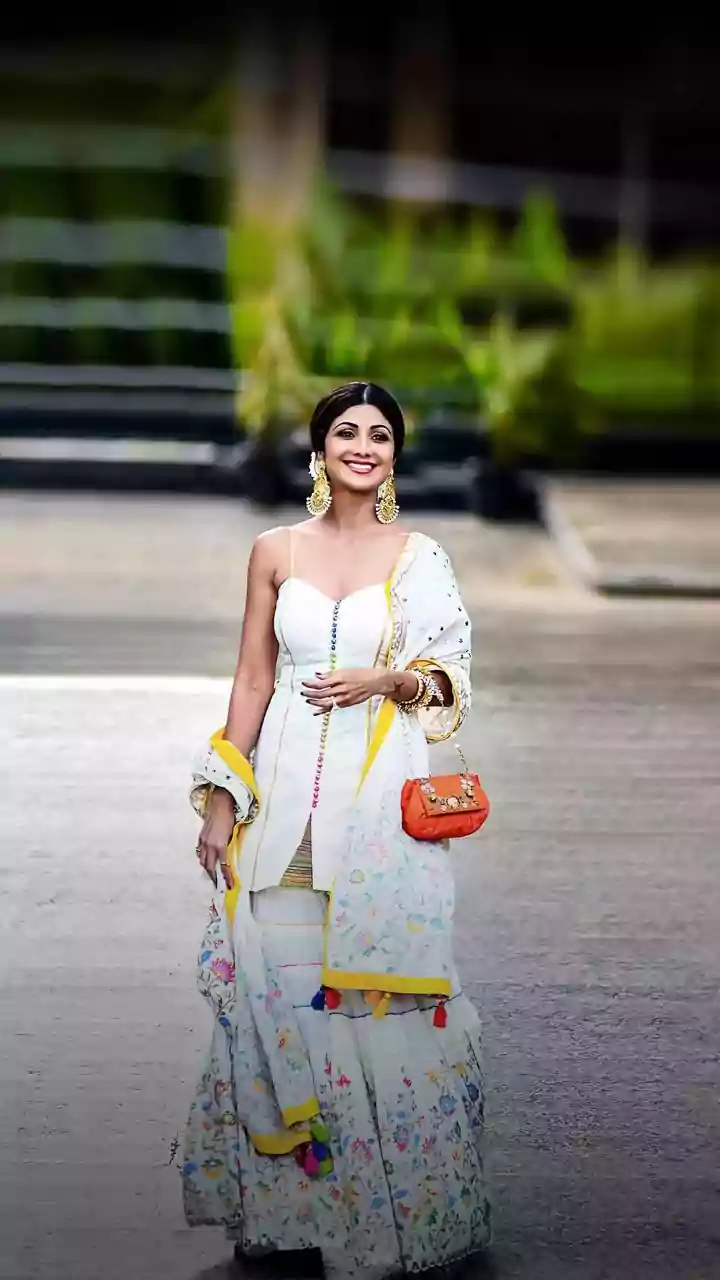
to choose between a modern, Western-influenced wardrobe and traditional Indian attire; they want both. Experimental aesthetics allow them to craft a personal style that feels authentic to their lived experience. It’s a move away from seeing Indian wear as something reserved only for festivals and weddings. Instead, by pairing a crop top with a lehenga skirt or an embroidered jacket with trousers, they create a look that is both globally relevant and culturally proud. This rejection of sartorial rules is a form of self-expression, a way to be modern without losing a connection to heritage.
Comfort and Versatility for Modern Life
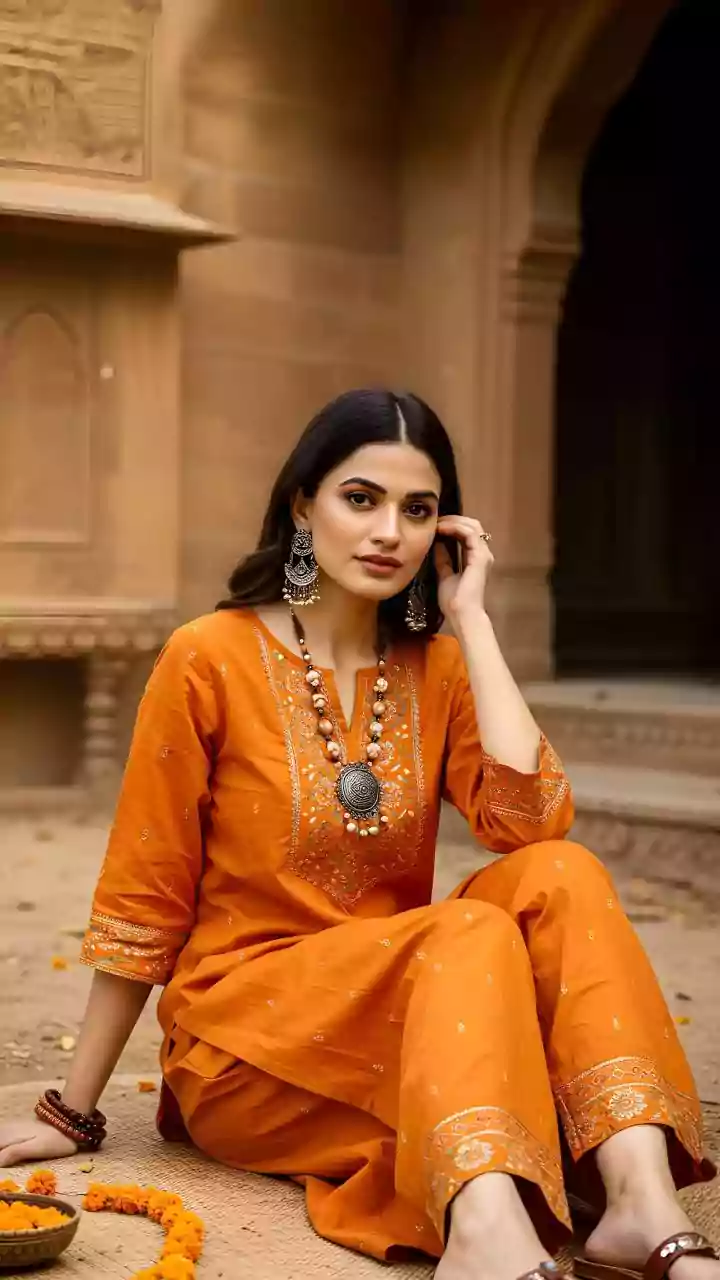
Beyond identity, there's a practical reason for the shift: comfort and versatility. Heavy, restrictive traditional outfits don't always align with the fast-paced, multi-faceted lives of young urban professionals and students. A Gen Z shopper today prioritizes comfort, and Indo-Western wear delivers with breathable fabrics and more relaxed silhouettes. An outfit needs to transition seamlessly from a morning lecture to an evening out, and fusion wear is the ultimate multitasker. A single kurta can be styled with jeans for a casual look or with palazzos and statement jewelry for a more festive occasion. This mix-and-match capability not only offers more styling options but also promotes a more sustainable approach to fashion, as individual pieces can be reused in multiple ways.
The Social Media Runway
Social media platforms, especially Instagram, have acted as a massive catalyst for this trend. They've democratized fashion, turning every user's feed into a potential runway. Influencers and celebrities showcasing experimental looks—like a saree draped over a pantsuit or a 'chatpata' couture look mixing Y2K silhouettes with Indian embellishments—make these styles feel both aspirational and achievable. Hashtags like #chatpata have garnered hundreds of thousands of posts, creating a visual library of inspiration that moves much faster than traditional fashion media. According to a 2023 Meta study, 76% of consumers discover fashion on social platforms, and this digital exposure has allowed smaller, independent brands to reach a national audience.
The Rise of Niche, Homegrown Brands
This demand for unique fusion wear has fueled the rise of direct-to-consumer (D2C) brands. Shoppers are no longer limited to the offerings of large retail chains. A new ecosystem of homegrown labels, often discovered on social media, is catering specifically to this niche. Brands are building their identity around blending Indian craftsmanship—like Ajrakh prints, Jamdani weaves, or hand embroidery—with contemporary cuts. This allows them to offer distinctive pieces that resonate with a generation tired of the uniform minimalism that dominated Western fashion for years. By owning their production and speaking directly to their audience online, these brands can experiment with designs that larger companies might deem too risky, perfectly meeting the young metro shopper's desire for something that feels both personal and unique.