
A Return to the Roots
For years, modern Indian cuisine was often about global techniques and imported luxury ingredients. But a significant shift is underway. A new generation of chefs is championing a return to culinary roots, moving away from generic fusion and diving deep
into India's vast agricultural pantry. This movement is less about recreating old recipes exactly and more about understanding the soul of an ingredient and presenting it in a new light. It is a confident approach that celebrates regionality and authenticity. Instead of a menu that needs to be explained, the ingredients themselves tell the story of India's diverse food map.
The Stars of the Show: Forgotten Grains and Produce
At the heart of this trend are ingredients that were once staples in Indian households but were sidelined by modern agriculture and polished grains. Millets like ragi, jowar, and bajra are making a major comeback. Once deemed “poor man’s grain,” they are now celebrated for their nutty flavours, nutritional benefits, and gluten-free properties. Chefs are using them in everything from artisanal breads and dosa mixes to cookies and breakfast cereals. Other revived treasures include makhana (fox nuts), which have transitioned from a fasting snack to a versatile gourmet ingredient, and moringa, long valued in home gardens and now recognized globally as a superfood. Even hyper-local greens, indigenous yams, and flowers like mahua are finding their way onto fine-dining plates.
Why Now? More Than Just Nostalgia
Several factors are driving this culinary renaissance. There is a growing consumer desire for healthier, more sustainable food choices. Heritage grains are often more resilient to climate change and require less water than wheat and rice, making them an eco-conscious choice. This movement also reflects a deeper cultural search for identity. Chefs and diners alike are showing immense pride in local provenance, where an heirloom grain from a small farm is the new luxury. As celebrity chef Sanjeev Kapoor has noted, reviving these flavours is a way of reconnecting with heritage, wellness, and simplicity, reminding us that food is about identity and belonging. The trend is also a response to diners who are curious and open to new experiences but still seek a point of familiarity in what they eat.
What's on the Festive Table?
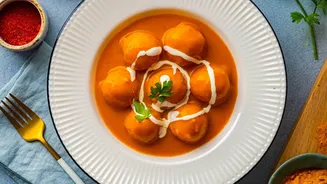
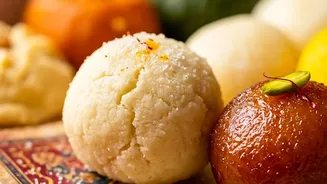
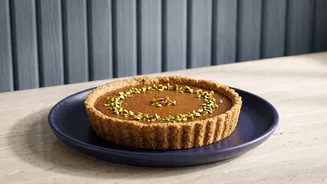
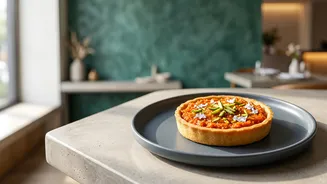
So, what does a modern festive menu with heritage ingredients look like? Imagine a starter of ragi crackers with a dip made from smoked bamboo shoots. Picture a main course where a traditional meat curry is served alongside jowar couscous instead of polished rice. For dessert, instead of a standard cake, you might find a laddoo made with bajra and sweetened with jaggery, or a delicate kheer featuring mahua flowers. Chefs are using modern techniques not to mask, but to elevate these traditional ingredients. You might see a jackfruit kofta prepared with the precision of sous-vide or a familiar festive sweet like gujiya presented in a baked or air-fried form for a lighter touch. The goal is to let the original flavours shine while offering a refreshing and thoughtful dining experience that feels both celebratory and deeply rooted.