


The New Way to Share a Meal
Forget the term 'tribal' in its historical sense. In 2026, your 'tribe' is your group of friends, your family, or your office colleagues. 'Tribal dining' is the food delivery trend built around this modern tribe. It’s not just about placing a large order;
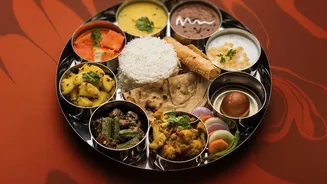
it’s about a curated, communal eating experience delivered to your door. Think of a complete DIY taco kit for four, a detailed regional thali experience for a family, or a brunch box with multiple components designed for sharing. The core idea is to move beyond delivering individual meals and instead deliver a shared event, turning a simple dinner into a more connected experience without anyone having to cook or clean.
Powered by the Dark Kitchen Engine
This new style of dining is made possible by the explosive growth of dark kitchens, also known as cloud or ghost kitchens. These are professional cooking facilities with no storefront or dining area, built exclusively for delivery. Because they don't have the high overheads of a traditional restaurant—like premium rent, furniture, or front-of-house staff—they can operate with much lower costs. This lean model allows operators to experiment with niche concepts like tribal dining without the massive financial risk of a full-fledged restaurant. A single cloud kitchen might run multiple virtual brands, offering everything from pizza to healthy bowls, allowing them to test and scale new ideas rapidly.
A Recipe for Success in Urban India
Several factors are converging to make tribal dining a hit in Indian metros like Bengaluru, Mumbai, and Delhi. Urbanisation has led to busier lifestyles, smaller homes with less-equipped kitchens, and a greater desire for convenient food solutions. For many young professionals and nuclear families, hosting a large group meal is a logistical challenge. Tribal dining offers a perfect solution: the joy of a communal meal without the work. Furthermore, the post-pandemic era has cemented online ordering as a daily habit for millions. While people crave shared experiences, the comfort and safety of home remain appealing. Dark kitchens are tapping into this by offering restaurant-quality shared platters that are often more cost-effective per person than ordering individual meals.
What's On The Menu?
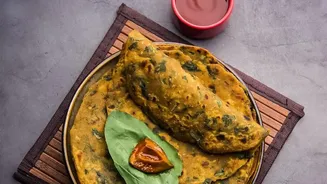
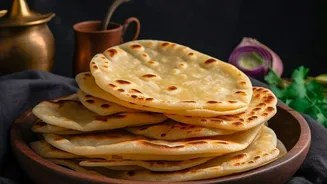
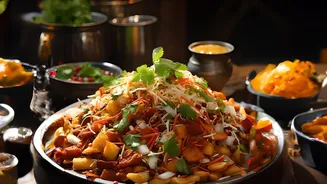
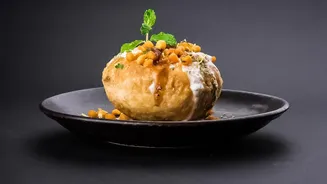
The creativity in this space is booming. In cities like Mumbai and Bengaluru, cloud kitchens are offering elaborate weekend 'Lazy Breakfast' boxes with croissants, muffins, juices, and spreads for a group. Others focus on regional Indian feasts, like a 'Punjabi Winter' spread with sarson da saag and makki di roti, or a 'Coastal Seafood' platter with various grilled fish and curries. DIY kits are also incredibly popular, allowing groups to assemble their own pizzas, pasta, or chaat platters, adding an interactive element to the meal. These offerings are specifically designed to travel well and be presented as a cohesive experience, something far more special than a few disparate plastic containers.
More Than Just a Passing Fad?
While the trend is growing, it's not without challenges. The logistics of delivering complex, multi-component orders are tricky, and ensuring every element arrives fresh and at the right temperature is a constant battle. Moreover, the entire business model depends heavily on delivery platforms like Zomato and Swiggy, which command high commissions and control customer visibility. Despite these hurdles, the future looks bright. The underlying drivers—convenience, the experience economy, and the demand for variety—are only getting stronger. As cloud kitchens become more sophisticated, expect even greater personalisation, with AI suggesting the perfect group meal for your tribe based on past orders and preferences, further blurring the line between a simple delivery and a memorable dining experience.