





Choose Your Winter Destination
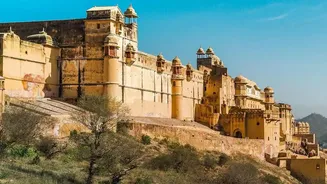
Winter is an ideal time for a safari in India. The weather is comfortable, and the post-monsoon vegetation is less dense, improving visibility. For a weekend trip, proximity is key. Ranthambore National Park in Rajasthan is a top choice, famous for tiger
sightings against the backdrop of its ancient fort. It's relatively accessible from Jaipur and Delhi. Another excellent option is Jim Corbett National Park in Uttarakhand, India's oldest national park, known for its tigers, elephants, and diverse birdlife. If you're based in western India, Gir National Park in Gujarat offers the unique opportunity to see the majestic Asiatic lion. For those in the east, Kaziranga in Assam is a UNESCO World Heritage site, home to the one-horned rhinoceros. Consider travel time; some parks require long drives from the nearest airport, so factor that into your short weekend schedule.
Secure Permits and Safaris Early
This is the most critical step. Safari permits for popular national parks like Ranthambore and Corbett are released online weeks or even months in advance and can sell out within minutes. Each park has its own official government booking portal. You will need to provide the full name, age, and a government-issued ID number for every traveller. Parks are divided into different zones, and it's wise to research which zones have had recent high sighting rates. You can book either a Jeep safari, which seats up to six people and offers a more private experience, or a Canter safari, which is a larger, shared vehicle. While booking yourself is the cheapest option, it can be complicated. Many hotels and travel agents offer booking services, which can be a hassle-free alternative.
Sort Your Accommodation and Travel
Once your safari is booked, secure your stay. Options near national parks range from luxurious wildlife lodges with in-house naturalists to budget-friendly guesthouses and resorts. Booking accommodation well in advance is crucial, especially during peak season and on long weekends. For a weekend trip, decide whether you will drive, take a train, or fly. Ranthambore is accessible via Sawai Madhopur railway station or a drive from Jaipur airport. Jim Corbett's nearest town is Ramnagar, which has good road and rail connectivity. Planning your route and transport ahead of time ensures you don't waste precious hours of your short getaway on logistical hurdles.
Pack for Cold Mornings and Sunny Days
Do not underestimate the cold. Early morning safaris in an open Jeep during winter can be frigid, with temperatures dropping significantly. The key is to dress in layers. Start with a base layer, add a fleece or sweater, and top it off with a warm, windproof jacket. A warm hat, gloves, and a scarf or neck gaiter are essential. As the sun comes up, it can get surprisingly warm, so you'll want to be able to shed those layers easily. Opt for neutral, earthy colours like khaki, olive, and brown; bright colours can disturb the wildlife. Also, pack comfortable, closed-toe shoes, sunscreen, sunglasses, and a hat to protect against the sun.
Prepare for the Safari Experience
A safari is an exercise in patience. Wildlife sightings are a matter of chance, not a guarantee. The drives are typically three to four hours long, starting very early in the morning or in the afternoon. Always carry your original ID documents that you used for booking the permit. A good pair of binoculars is highly recommended, as many sightings happen at a distance. Tracks can be very dusty, so a dust-proof bag for your camera and phone is a good idea. Listen to your guide, don't use flash photography, and avoid loud noises. Embrace the entire experience—the sounds of the forest, the fresh air, and the thrill of the search—not just the chase for a single animal.