






A cornerstone of India-Bangladesh relations for three decades, the Ganges Water Sharing Treaty, is set to expire on December 12, 2026. This looming deadline raises critical questions about the future of water diplomacy between the two neighbours.
A Pact Born from Necessity
The 1996
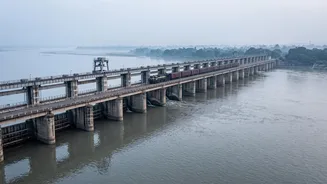
treaty was a landmark diplomatic achievement, designed to end years of dispute over water flow. The conflict intensified after India commissioned the Farakka Barrage in 1975, about 18 kilometres from the Bangladesh border. The barrage was built to divert water to the Hooghly River to flush silt from Kolkata's port, but it significantly reduced the dry-season water flow downstream into Bangladesh. This had severe consequences for farming, fisheries, and the environment in Bangladesh. After a period without any formal arrangement in the late 1980s and early 90s, the 30-year pact was signed in 1996. It established a detailed formula for sharing water at Farakka during the lean season, from January 1 to May 31 each year, bringing a measure of predictability to a contentious issue.
The Treaty’s Thirty-Year Legacy
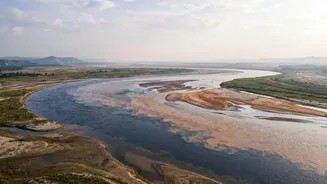
For three decades, the treaty has been a stabilising force. It institutionalised cooperation through a Joint Rivers Commission (JRC) and created a framework for joint monitoring and data exchange. For Bangladesh, it provided a guaranteed minimum share of water during the critical dry months, crucial for its agricultural heartland and for pushing back salinity in the vast Sundarbans mangrove forest. However, the pact has not been without its critics. Some experts argue that the agreement, based on historical flow data from 1949-1988, is now outdated. Studies have shown that even with the treaty, Bangladesh has not always received its guaranteed share during critical periods. Furthermore, the pact focused primarily on water quantity, not quality or the broader ecological health of the river basin, which is now under stress from climate change and increased demand.
The Clock Is Ticking on Renewal
With the December 12, 2026, expiry date fast approaching, uncertainty looms as the treaty does not have an automatic renewal clause. Bangladesh has formed a technical committee and has reportedly requested to begin negotiations, but formal talks are yet to gain momentum. Recent reports from November 2026 indicate that India's Ministry of External Affairs maintains that river-related matters are handled through the 'structured mechanism' of the JRC. Both sides are reportedly considering significant changes, potentially including a shorter treaty duration. The political climate has also shifted, adding another layer of complexity to the upcoming negotiations.
New Challenges, New Demands
Any new or renewed agreement must confront challenges that were less pronounced in 1996. Climate change is altering rainfall patterns and river flows, making fixed-sharing formulas based on old data increasingly problematic. On India's side, there is rising domestic demand for water in states like Bihar and West Bengal for agriculture and industry. Meanwhile, Bangladesh is advocating for a new deal that accounts for climate change impacts and considers the entire river basin, not just the single point at Farakka. There are also calls within Bangladesh to restore a 'minimum guarantee' clause that was part of a previous 1977 accord.
More Than Just the Ganges
The Ganges treaty is the most significant but not the only water issue between the two nations, which share 54 transboundary rivers. The outcome of its renewal will inevitably influence the broader hydrostatically landscape. Chief among these other issues is the longstalled agreement on sharing the waters of the Teesta River, a pact that has been pending since $2011$ largely due to objections from West Bengal. A successful and forwardlooking renewal of the Ganges pact could build goodwill and create momentum for resolving other complex watersharing disputes, reinforcing India's 'Neighbourhood First' policy. Conversely, a failure to agree could strain relations.