



The Ghost of Health Food Past
For decades, there was an unspoken rule: if it was good for you, it probably tasted bad. The very idea of a 'healthy recipe' conjured images of bland, boiled chicken, unseasoned salads, and desserts that tasted more of regret than sweetness. This perception
wasn't entirely unfair. The early days of the wellness movement often focused on stripping things away—fat, salt, sugar—without offering flavourful alternatives. The result was a cuisine of deprivation, where taste was sacrificed at the altar of health. For many in India, where food is synonymous with rich spices and complex flavours, this trade-off was a non-starter. Why would anyone swap a vibrant dal makhani for a plain bowl of quinoa?
What 'Clean' Means Today
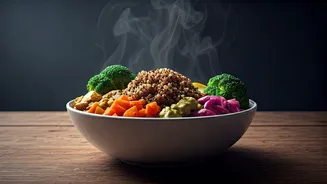
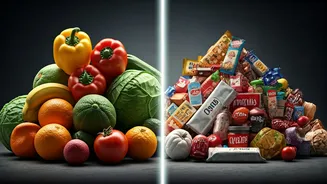
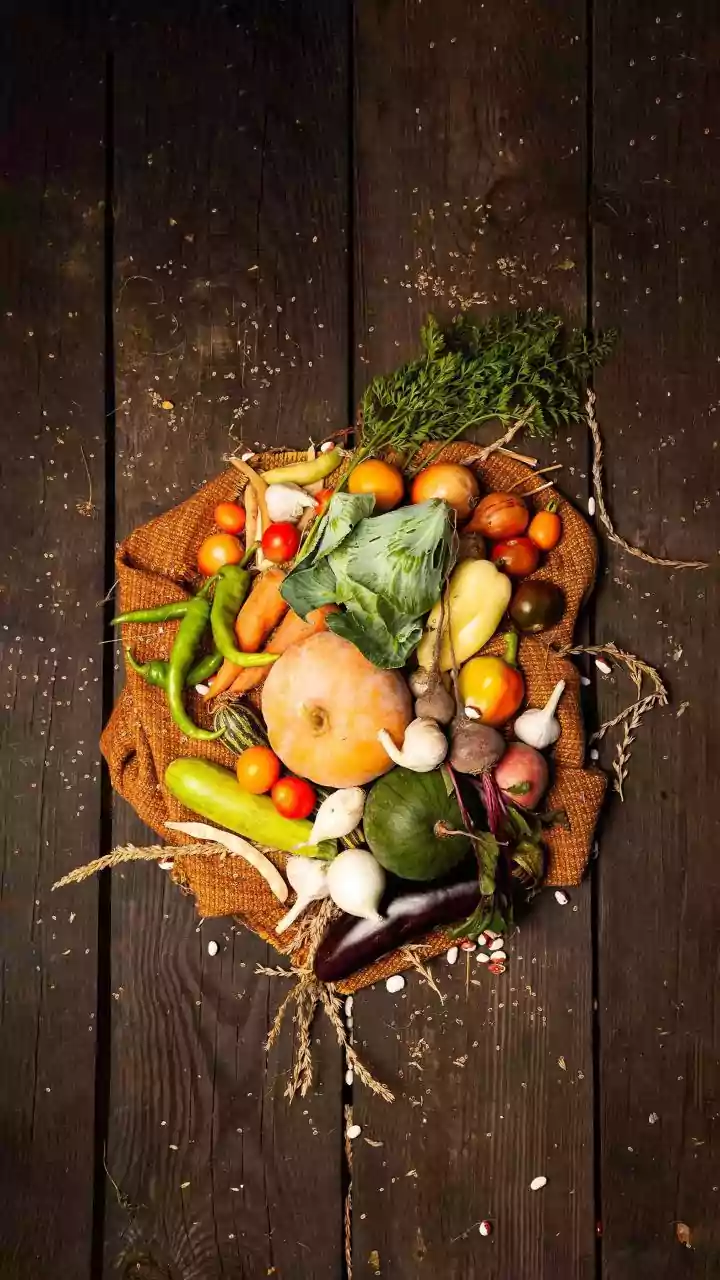
The good news is that the definition of 'clean eating' has evolved dramatically. It's no longer about militant restriction. Instead, the focus has shifted towards celebrating whole, unprocessed, or minimally processed foods. Think fresh fruits and vegetables, whole grains, lean proteins, and healthy fats. It’s about understanding where your food comes from and choosing ingredients that are as close to their natural state as possible. This modern approach doesn’t banish flavour; it seeks to enhance it. Spices, herbs, and traditional cooking methods are not the enemy. In fact, they are the secret weapons that make clean eating sustainable and, more importantly, enjoyable. It’s a philosophy that aligns surprisingly well with many principles of traditional Indian home cooking, which has always prioritised fresh, seasonal ingredients.
The Ingredient Revolution
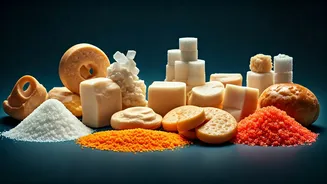
A major reason for this taste renaissance is the explosion of high-quality, flavour-forward ingredients. The market has moved far beyond basic stevia. We now have natural sweeteners like monk fruit and allulose that provide sweetness without the bitter aftertaste. Healthy fats are no longer feared. Cold-pressed oils, avocados, nuts, and seeds are now celebrated for the richness and mouthfeel they bring to a dish. Plant-based cooking has also become a powerhouse of flavour. Ingredients like nutritional yeast offer a cheesy, savoury kick, while mushroom powders, tamari, and miso paste provide a deep, satisfying umami taste that was once thought to be exclusive to meat. These aren't just substitutes; they are flavour-enhancers in their own right, allowing cooks to build complex taste profiles from the ground up.
Technique Trumps Restriction
Perhaps the biggest change is the realisation that cooking technique is everything. Instead of simply steaming broccoli until it’s mushy, modern cooks are roasting it at high heat until it’s charred and sweet. They are fermenting vegetables to develop complex, tangy notes. They are using classic techniques like searing and caramelising to bring out the natural sugars in everything from onions to carrots. Chefs and home cooks are learning that applying proper culinary methods to a humble vegetable can yield results that are just as satisfying as a rich, creamy curry. This shift in mindset—from 'how can I make this low-calorie?' to 'how can I make this delicious?'—is what truly separates the new era of clean cooking from the old.
Bringing Flavour to Your Kitchen
You don’t need to be a professional chef to join the flavour revolution. Start small. Instead of a plain salad, try adding roasted chickpeas for crunch and a drizzle of tahini dressing for creaminess. Embrace your spice rack—turmeric, cumin, and coriander are not only flavourful but also packed with health benefits. When making a simple stir-fry, don't be afraid to add a splash of soy sauce or a knob of ginger for a punch of flavour. Experiment with roasting vegetables instead of boiling them. The goal is to build layers of taste and texture. A sprinkle of fresh herbs, a squeeze of lemon juice, or a handful of toasted nuts can transform a simple meal into something special.