




The Rush for the Roof of the World
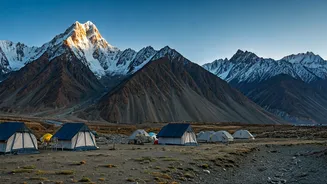
Tour operators and guesthouse owners across Spiti Valley are reporting an unprecedented surge in bookings, particularly for campsites in pristine, high-altitude locations like Chandratal Lake, Komik, and Hikkim. What was once a slow trickle of seasoned
trekkers has transformed into a steady stream of young backpackers, solo travellers, and work-from-mountains professionals. This isn't just the usual summer rush; it's a concentrated wave of interest focused on the most remote and picturesque corners of the valley. Camps that previously had walk-in availability are now seeing reservations fill up weeks, and sometimes months, in advance. The demand is primarily for experiences that promise disconnection, raw nature, and, of course, a stunning social media backdrop.
Why Now? The Perfect Travel Storm
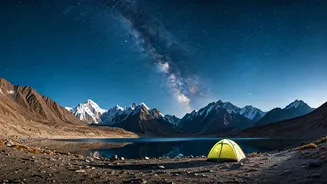
Several factors are fuelling this travel frenzy. The most significant is the post-pandemic hunger for wide-open spaces and meaningful adventures after years of confinement. Spiti, with its vast landscapes and low population density, offers the perfect antidote to city life. Furthermore, the rise of Instagram and YouTube travel content has demystified Spiti, transforming it from a formidable expedition to an accessible bucket-list destination. Viral reels of the Milky Way from a tent or drone shots of bikes navigating the treacherous roads have created a powerful visual pull. Improved, though still challenging, road access and a growing network of local operators offering all-inclusive packages have also lowered the barrier to entry for less experienced travellers.
Life at a High-Altitude Camp
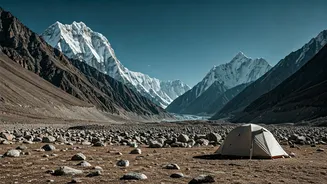
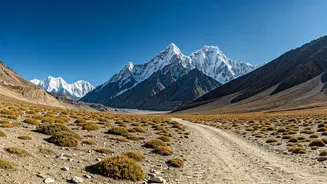
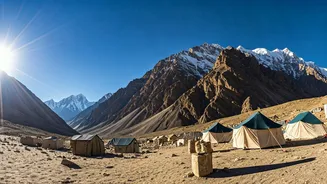
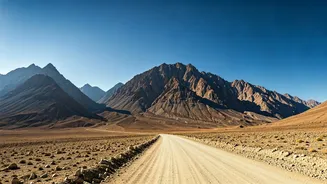
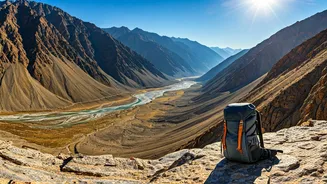
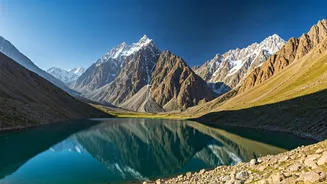
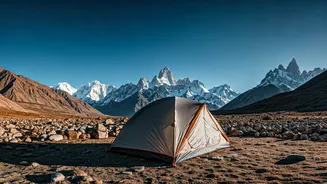
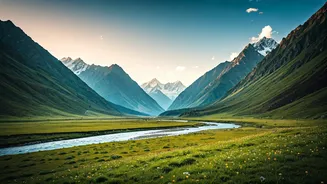
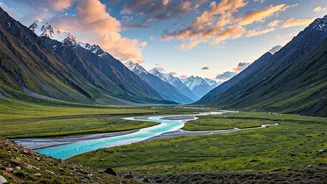
So, what does this much-hyped experience actually entail? Life at a Spiti high camp is a study in beautiful contrasts. By day, you’re surrounded by breathtaking panoramas of barren mountains, deep blue skies, and maybe a grazing yak or two. By night, the universe unfolds in a dazzling display of stars, unpolluted by city lights. Accommodations are typically Swiss tents with attached or common bathrooms, offering basic but comfortable beds. Food is simple, hot, and hearty—think dal, rice, sabzi, and endless cups of tea. The real luxury here is the silence, the crisp mountain air, and the feeling of being truly away from it all. The challenge? Altitude. Acclimatisation is not optional; it’s a critical part of the journey to avoid Acute Mountain Sickness (AMS).
The Other Side of the Wave
This massive influx of tourists, while a boon for the local economy, is also placing immense strain on Spiti’s fragile ecosystem. The region is a cold desert with limited resources, especially water. The surge in visitors creates challenges for waste management, with plastic pollution becoming a visible problem along popular routes. There's a growing conversation within local communities and among environmentalists about the need for sustainable tourism practices to prevent Spiti from being loved to death. The very solitude and pristine nature that travellers seek are at risk if the carrying capacity of the region is ignored. This makes responsible travel not just a buzzword, but a necessity for anyone planning a visit.
Your Spiti Checklist: How to Travel Mindfully
If Spiti is calling to you, answering that call responsibly can make all the difference. First, prioritise booking with local Spitian operators and staying in local homestays or family-run campsites. This ensures the economic benefit stays within the community. Second, be ruthless about your own waste. Carry a reusable water bottle and a bag to bring all your non-biodegradable trash back with you to a larger town for disposal. Third, respect local culture; dress modestly when visiting monasteries and villages, and always ask for permission before photographing people. Finally, travel slow. Don’t rush your itinerary. Build in extra days for acclimatisation—it’s safer for you and allows for a deeper, more respectful engagement with the place and its people.