





Reimagining the Classics: Samosas and Pakoras
The quintessential monsoon snacks, samosas and pakoras, are traditionally deep-fried, making them high in calories and fat. A single fried samosa can contain between 250 to 300 calories. However, modern cooking methods can deliver that satisfying crunch
with a fraction of the oil. Baking or air-frying can reduce the calorie count by 30-40%. For a healthier samosa, swap the refined flour (maida) wrapper for a multigrain version using whole wheat, jowar, or ragi flour. Instead of deep-frying, simply brush the samosas with a little oil and bake them until golden and crisp. Similarly, for pakoras, a batter of chickpea flour (besan) mixed with seasonal greens like spinach or fenugreek (methi) leaves can be prepared and then cooked in an air fryer or an appe pan for a low-oil treat.
Harnessing the Power of Monsoon Vegetables
The rainy season brings a bounty of vegetables that are perfect for boosting immunity. Gourds like lauki (bottle gourd), turai (ridge gourd), and karela (bitter gourd) are high in fibre, water, and essential nutrients, while being easy to digest. Pumpkin (kaddu), rich in beta-carotene, is another seasonal star that supports immune health. Instead of just potatoes, try incorporating these vegetables into your snacks. Think of baked lauki or sweet potato wedges, stir-fried karela chips, or adding grated pumpkin to your cheela batter. Corn (bhutta), a monsoon staple, is another excellent choice. Enjoy it roasted on the cob with lime and spices, or as a warm corn chaat with chopped onions and tomatoes for a satisfying and nutritious snack.
Embracing Steamed and Roasted Snacks
Steaming is a fantastic way to cook without adding excess oil. Gujarati classics like dhokla, made from fermented besan, are light, protein-rich, and perfect for the season. Another great option is sprouted moong dal chaat. Sprouting enhances the nutritional value, but it's crucial to steam the sprouts for a few minutes during the monsoon to eliminate any surface bacteria before mixing them with spices and lemon juice. Roasting is another healthy technique that intensifies flavour. Roasted makhana (fox nuts) are a low-calorie, high-protein snack that can be seasoned with salt and cumin. They are light, crunchy, and great for digestion, which can often be sluggish during the monsoon.
Warm Soups and Lentil Power
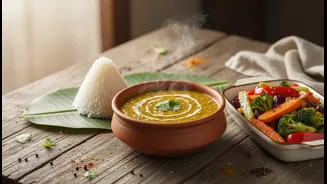
Nothing says comfort on a rainy day quite like a warm bowl of soup. Moving beyond just snacks, soups are a wholesome meal in themselves. A simple tomato soup seasoned with Indian spices like cumin and black pepper, or a mixed vegetable soup can be incredibly nourishing. Lentil-based dishes are also an excellent source of protein and comfort. A bowl of hot masala khichdi, a one-pot meal of rice and lentils, is a quintessential monsoon comfort food in many Indian households and is known for being easy to digest. You can also make moong dal cheela (savoury pancakes) or pesarattu (a moong dal dosa), which are high in protein and can be filled with sautéed vegetables instead of the traditional potato stuffing for a lighter meal.
Smarter Dips and Chutneys
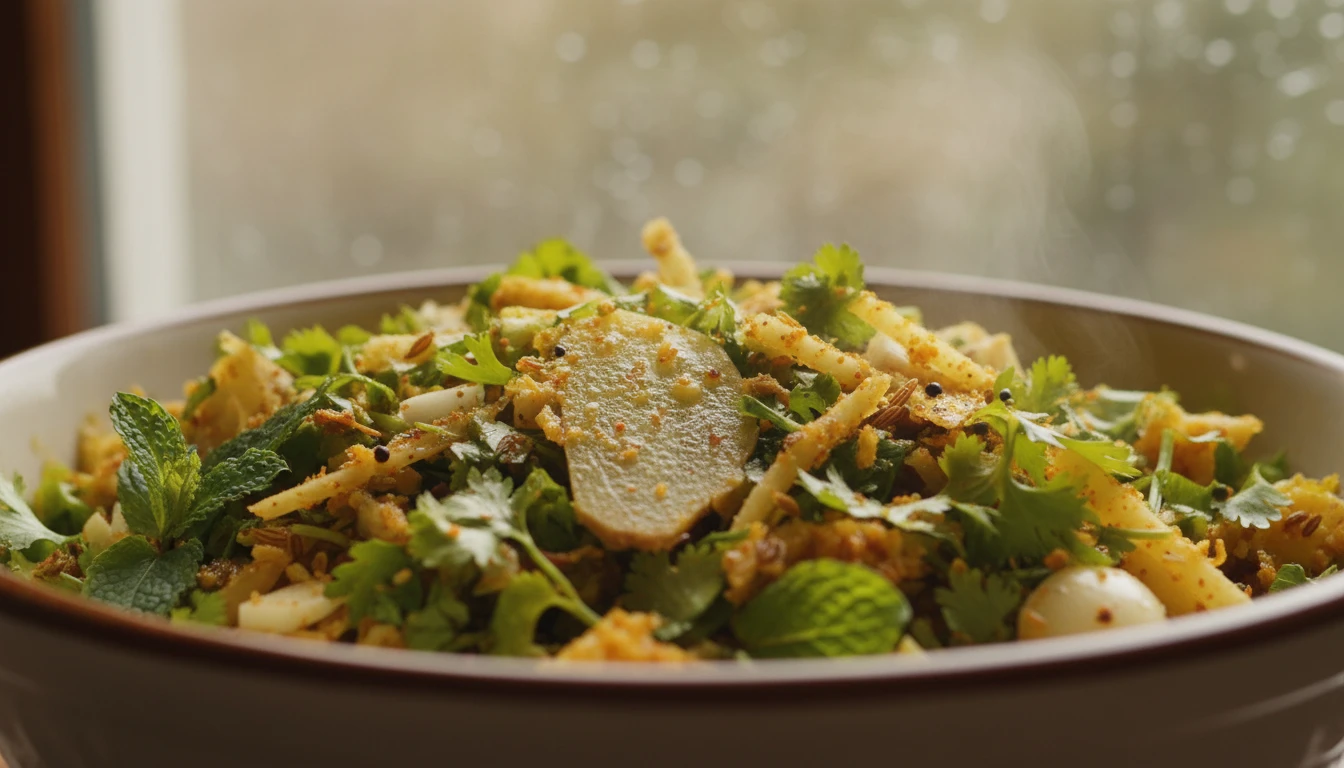
The accompaniments to your snacks matter, too. Instead of store-bought sauces, which can be high in sugar and preservatives, opt for homemade chutneys. A classic mint-coriander chutney is refreshing, and making it with yogurt instead of a coconut base can make it lighter. For a protein boost, consider dips made from lentils or beans. A simple hummus-style dip made from chana dal or a creamy dip made from cooked masoor dal can be a flavourful and healthy partner to your baked snacks and vegetable sticks. These dips not only add flavour but also contribute to the nutritional value of your monsoon snacking experience.