



Understanding the 'Shoulder Season' Advantage
In travel, there are three main periods: peak season, off-season, and the 'shoulder season' in between. Peak season (typically December to January in most of India) means great weather but also large crowds and high costs. The off-season, often during
the monsoon (June to September) or extreme summer heat (April to May), has fewer tourists but can come with challenging weather. The shoulder season is that magical window just before or after the main rush. For India, this generally falls around two key periods: September to November and February to March. Travelling during these times often means pleasant weather, significantly fewer people at major attractions, and better deals on flights and hotels.
Mountain Escapes Without the Madness
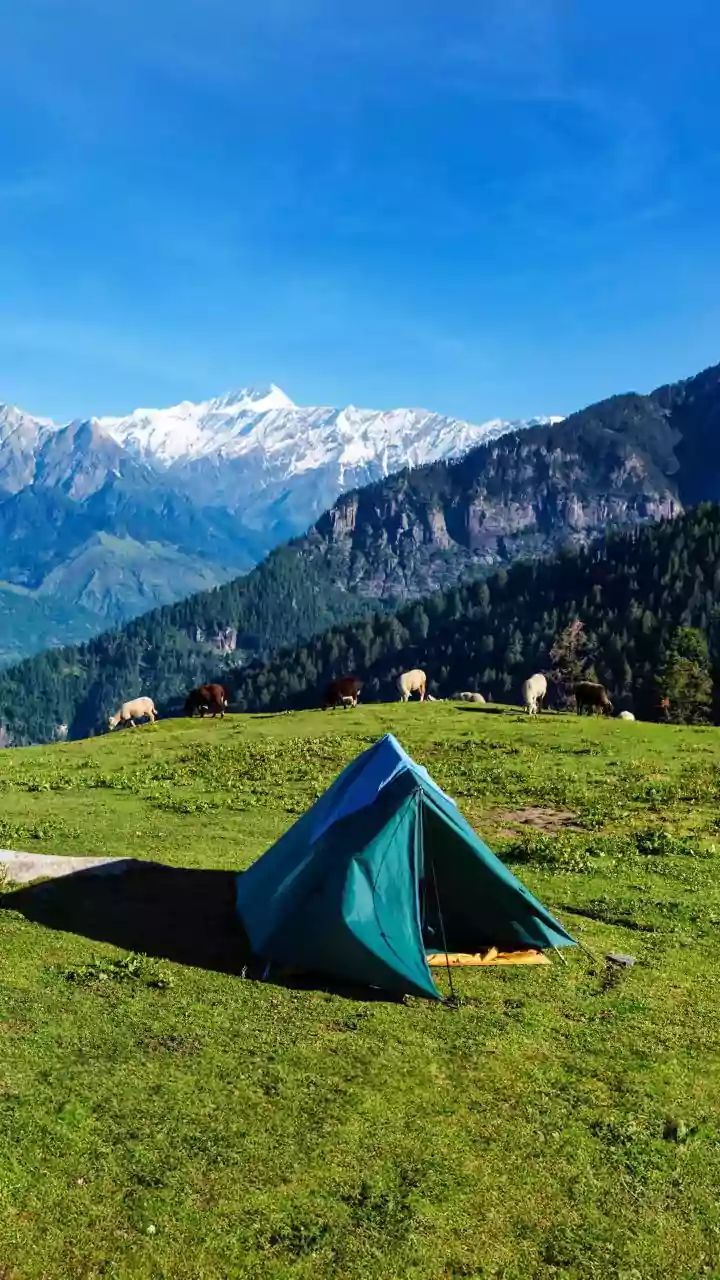
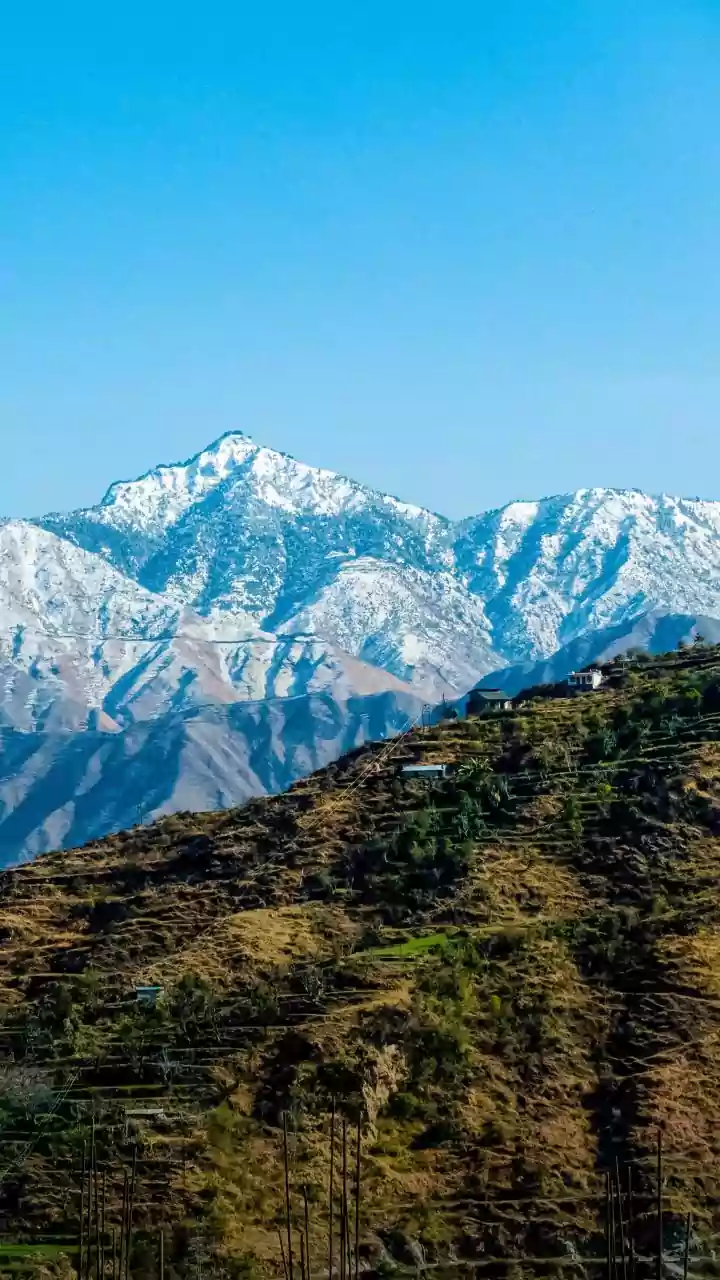
The Himalayas are a prime example of shoulder season benefits. While the summer months see a huge influx of tourists, the periods just before and after are ideal. Consider states like Himachal Pradesh and Uttarakhand in April-May or September-October. In spring, the last of the winter snow melts away, and the landscape is lush and blooming. In autumn, the monsoon has passed, leaving behind brilliantly green scenery and clear, crisp skies perfect for trekking and sightseeing. Destinations like Manali, Rishikesh, and Darjeeling are more peaceful, allowing for a more authentic experience without the long queues and packed cafes. Even Ladakh, popular from June to August, can be wonderful in September, offering stunning views with a fraction of the tourists.
Coastal Bliss on Quieter Shores
Destinations like Goa and Kerala are famous for their winter season crowds, especially around Christmas and New Year. However, visiting just after the monsoon, from September to early November, can be a revelation. The countryside is incredibly green, waterfalls are at their peak, and the beaches are clean and uncrowded. While some beach shacks may still be setting up in the early part of this season, you get to enjoy the serene beauty of the coast at your own pace. Another excellent shoulder window is from late January to March, after the peak crowds have departed but before the intense summer heat arrives. You'll find comfortable weather for lounging on the beach, exploring the backwaters of Kerala, or enjoying water sports with better availability and pricing.
Exploring Heritage in Comfort
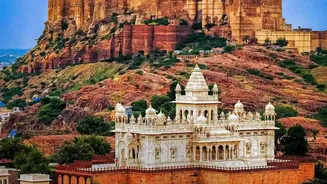
The majestic forts and palaces of Rajasthan are a must-see, but exploring them during the scorching summer or crowded winter can be tough. The shoulder seasons of October-November and February-March offer the perfect solution. The weather during these months is typically sunny and pleasant, ideal for wandering through the historic sites of Jaipur, Udaipur, and Jodhpur without the extreme temperatures. Because tourist numbers are lower, you can appreciate the intricate details of places like the Taj Mahal or the havelis of Shekhawati with more peace and quiet. Prices for heritage hotels and tours are also more competitive during this time, allowing for a more luxurious experience on a reasonable budget.
Tips for Smart Shoulder Season Planning
To make the most of your shoulder season trip, a little planning goes a long way. First, be flexible with your dates by a week or two, as this can open up significant savings on flights. Second, book accommodation in advance, especially in popular spots, but you won't need the months-long lead time required for peak season. Third, always check the specific weather patterns for your chosen region, as conditions can vary. Finally, look for special deals. Airlines and hotels often run promotions to attract travellers during these quieter months, offering excellent value. With fewer people around, you'll also find it easier to connect with locals for a more immersive cultural experience.