





The Unkillable Snake Plant
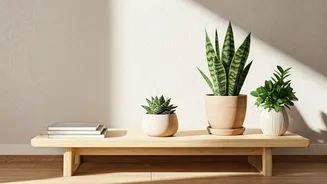
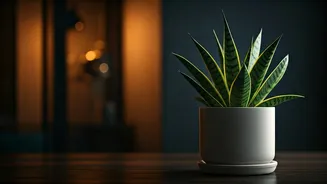
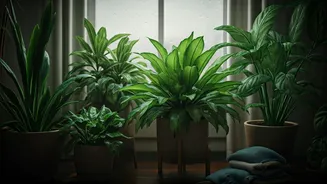
The Snake Plant, or Sansevieria, is a champion of low-light survival. Its stiff, upright leaves add a modern architectural touch to any room. Known for being almost indestructible, it's the perfect choice for beginners or busy individuals. Beyond its
good looks, the Snake Plant is a powerhouse of air purification, converting carbon dioxide to oxygen even at night, which makes it an ideal bedroom companion. It's also effective at filtering common household toxins. During the humid monsoon season, its needs are minimal; it is drought-tolerant and prone to root rot if overwatered, so you should only water it when the soil is completely dry. In fact, with high humidity, you might find yourself watering it very infrequently.
The Glossy ZZ Plant
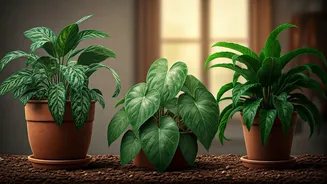
With its wide, waxy, dark green leaves, the Zamioculcas zamiifolia, or ZZ Plant, brings a touch of polished elegance to dim corners. This plant is famously low-maintenance and thrives on neglect, making it perfectly suited for offices and apartments. It tolerates very low light and is extremely drought-tolerant because it stores water in its underground rhizomes. This is a huge advantage during the monsoon when overwatering is a major risk for houseplants. For a ZZ plant, it's always better to be too dry than too wet. Ensure it's in a pot with good drainage and let the soil dry out entirely between waterings. It’s an excellent air purifier, known for removing toxins like benzene from the air.
The Cascading Money Plant
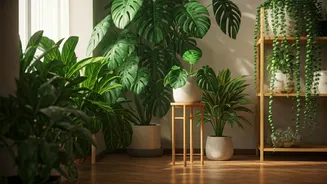
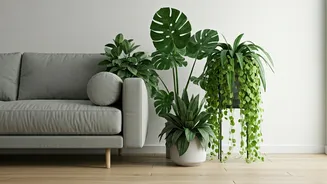
A staple in many Indian homes, the Money Plant (Pothos or Epipremnum aureum) is incredibly versatile and forgiving. Its trailing vines look beautiful cascading from shelves, hanging baskets, or even trained to climb a wall. While it grows faster in brighter spots, it easily tolerates low-light conditions, making it a reliable choice for monsoon living. High humidity during the rainy season is a bonus for the Pothos, which has aerial roots that help it absorb moisture from the air. Like other plants on this list, be cautious with watering. Allow the top inch of soil to dry out before giving it a drink. It’s also known for being an effective air purifier, tackling common indoor pollutants.
The Elegant Peace Lily
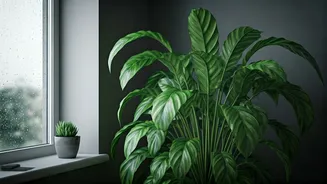
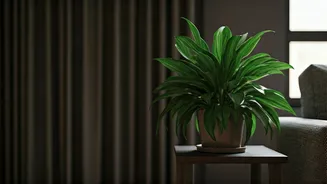
If you want a plant that offers more than just foliage, the Peace Lily (Spathiphyllum) is an excellent choice. It’s one of the few plants that can produce its elegant white blooms even in lower light conditions. Native to tropical rainforest floors, it naturally enjoys the high humidity that comes with the monsoon. The Peace Lily is also great at communicating its needs; its leaves will droop dramatically when it's thirsty, taking the guesswork out of watering. This visual cue is especially helpful in preventing overwatering during damp weather. It's also renowned for its ability to purify the air by removing toxins like ammonia and formaldehyde.
The Colourful Aglaonema
Also known as the Chinese Evergreen, Aglaonema is prized for its lush, patterned leaves that come in a variety of colours, from deep greens to silvers and reds. This adds a vibrant splash of colour to a room, which can be especially welcome on a gloomy day. Aglaonemas are native to the subtropical and tropical forests of Asia, so they thrive in the warm, humid, and low-light conditions typical of an Indian monsoon. While the varieties with darker green leaves are more tolerant of low light, even the more colourful ones do well in bright, indirect light away from any direct sun. They prefer the soil to be kept consistently moist but not waterlogged, so good drainage is key.
A Note on Monsoon Care
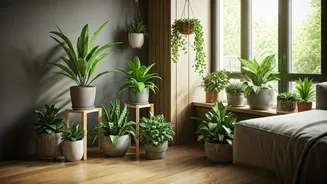
The biggest challenge for indoor plants during the monsoon is not the lack of light, but the combination of high humidity and overwatering. With moisture in the air, soil dries out much more slowly. Always check the top inch or two of soil with your finger; if it feels damp, wait a few more days before watering. Ensure all your pots have drainage holes to let excess water escape. Good air circulation is also important to prevent fungal growth, so try to space your plants out and keep them in a room with some ventilation. Wiping leaves occasionally removes dust and helps them absorb what little light is available.