







New Prices, Fresh Allocations
In a move to manage food inflation ahead of the festive season, the Central Government has approved fresh allocations for the retail sale of Bharat Atta and Bharat Rice for 2026-27. This initiative aims to keep kitchen staples affordable by selling them
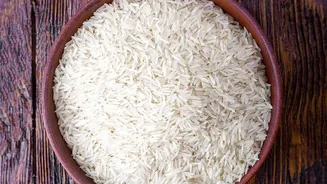
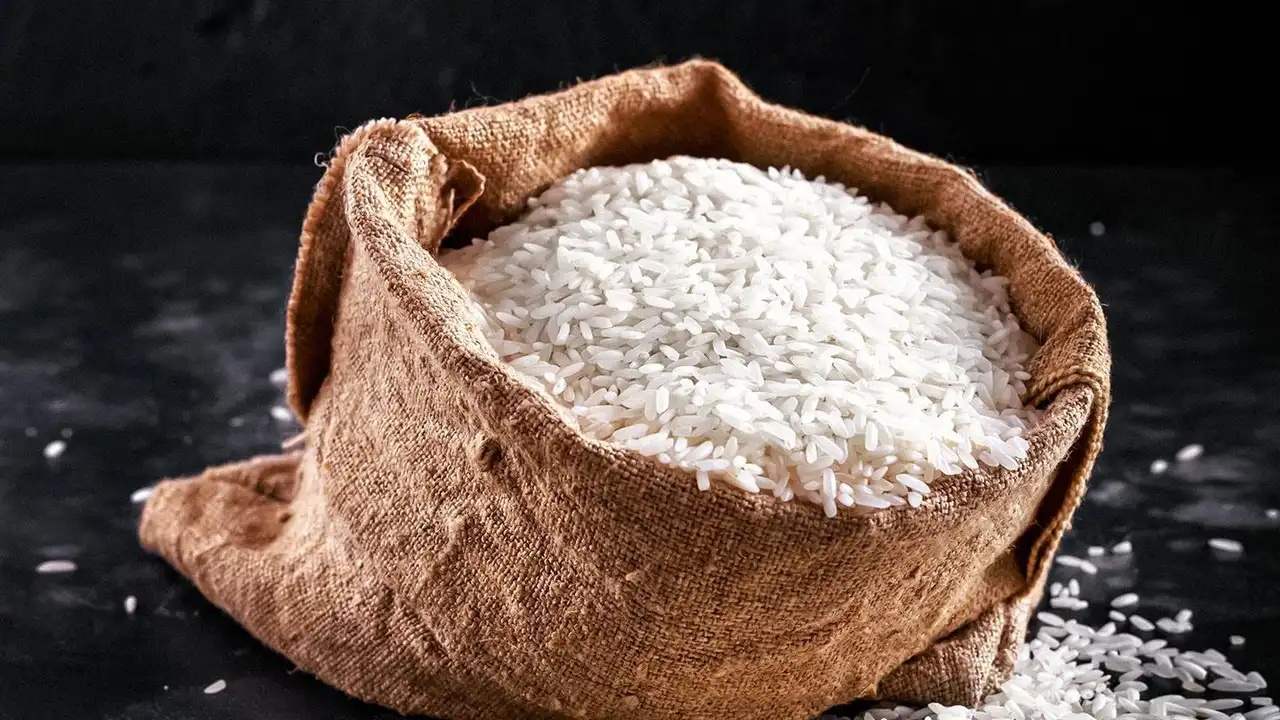
at prices significantly lower than the open market. Under the latest announcement made in late July 2026, the Maximum Retail Price (MRP) for Bharat Atta has been set at ₹32 per kg. For Bharat Rice, the price is fixed at ₹35 per kg for the popular 5 kg and 10 kg bags. These products are made available through a wide network of cooperatives like NAFED, NCCF, and Kendriya Bhandar, as well as through mobile vans that bring these essentials closer to neighbourhoods. The goal is simple: to increase the supply of these key commodities and ensure that rising market prices don't unduly burden the common person.
A Tale of Two Pack Sizes
Here’s where it gets interesting and where the real lesson lies. While the 5 kg and 10 kg packs of Bharat Rice are priced at ₹35 per kg, the government has also made available a larger 30 kg pack. This bulk pack is priced at ₹33 per kg. It's a small difference—just two rupees per kilogram—but it’s a powerful illustration of a core principle of smart shopping: unit pricing. By offering a lower per-kilo rate for a larger quantity, the scheme rewards those who can buy in bulk. It’s a deliberate strategy that not only helps families save more but also subtly teaches consumers to look beyond the final price tag on the bag and consider the actual value they are getting for their money. This isn’t a mistake or a random fluctuation; it’s an economic incentive built right into a national welfare scheme.
The Power of Unit Pricing
So, what is unit pricing? It’s the practice of breaking down the cost of an item into a standard unit of measurement, such as per kilogram, per 100 grams, or per litre. This allows you to make a true apples-to-apples comparison between different products and different pack sizes. A smaller bag might have a lower total price, but a larger bag often has a lower cost per unit, making it cheaper in the long run. For example, a 1 kg bag of atta for ₹50 costs exactly ₹50 per kg. But if a 5 kg bag of the same atta is priced at ₹225, its unit price is just ₹45 per kg. By spending more upfront on the larger bag, you save ₹5 for every kilogram. The Bharat Rice pricing is a perfect real-world example. A 10 kg bag would cost you ₹350, while a 30 kg bag would cost ₹990. Though the initial outlay is higher, you save ₹60 on the larger purchase compared to buying the same quantity in smaller bags.
Look Beyond the Grocery Aisle
This principle of pack size and unit cost is a fundamental rule of retail that extends far beyond food staples. It’s the reason why single-serve shampoo sachets are incredibly popular for their low entry price but are one of the most expensive ways to buy shampoo on a per-millilitre basis. The same logic applies to biscuits, soaps, coffee, and nearly every other Fast-Moving Consumer Good (FMCG). Companies use small, low-priced packs to encourage trials and cater to consumers with limited cash on hand. While these small packs offer convenience and affordability, relying on them for regular purchases means you are often paying a premium for packaging and convenience. For items you and your family use consistently, graduating to larger pack sizes is almost always the more economically sound decision.
How to Be a Smarter Shopper
Putting this knowledge into action is straightforward. First, always make a habit of checking the net weight printed on the package, not just the MRP. Second, do a quick mental calculation or use your phone's calculator to figure out the price per kg or per 100g. This will instantly reveal which option offers the best value. Third, be realistic about your consumption. Buying a 30 kg bag of rice is only a good deal if you can store it properly and finish it before it goes bad. For items with a long shelf life that you use daily, buying in bulk is a clear win. You can even consider pooling purchases with friends or neighbours to take advantage of bulk pricing without having to store massive quantities yourself. Being a mindful consumer doesn't mean cutting out essentials; it means making your money work smarter for you.