


The Plastic Predicament
Single-use plastic is one of the most persistent environmental challenges of our time. In India, which generates millions of tonnes of plastic waste annually, the problem is particularly acute. Takeaway containers, food wrappers, and plastic-lined cups
contribute significantly to choked landfills and polluted waterways. While bans on single-use plastics have been implemented across various states, the search for a truly sustainable and scalable alternative has been a major hurdle for businesses and consumers alike. The ideal solution needs to be functional, affordable, and, most importantly, genuinely eco-friendly, breaking down without leaving harmful residues.
Nature’s Unexpected Solution: Seaweed
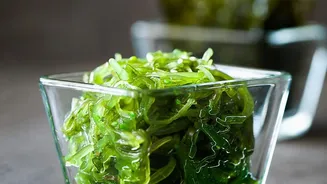
Enter seaweed, a type of marine algae that is emerging as a powerful contender in the fight against plastic. Unlike land-based crops used for some bioplastics, seaweed requires no fresh water, fertilisers, or pesticides to grow. It thrives in salt water, absorbing carbon dioxide from the atmosphere as it grows, making it a climate-positive raw material. Crucially, its natural polymer content allows it to be transformed into a material that mimics the properties of plastic but with one key difference: it is fully biodegradable. When discarded, packaging made from seaweed can decompose naturally in a matter of weeks, returning to the ecosystem without a trace of the microplastics that conventional plastics leave behind.
Pioneering the Green Wave in India
Several Indian startups are at the forefront of this green revolution. Zerocircle, founded by Neha Jain, is a prominent name in this space, creating seaweed-based alternatives that are not only biodegradable but also home-compostable. The company develops films and coatings for packaging that can be used across food, fashion, and other industries. Another key player is the Bangalore-based Sea6 Energy. While their ambitions also extend to biofuels, they have developed compostable coatings from seaweed for food packaging, making them safe and heat-resistant. They are also researching the creation of seaweed-based bioplastic straws and films. These companies are building a new industry from the ground up, often working directly with coastal communities in states like Gujarat and Tamil Nadu to sustainably farm and harvest seaweed, creating economic opportunities in the process.
From Ocean Crop to Takeaway Box
The process of converting seaweed into packaging is a feat of green chemistry. After harvesting, the seaweed is processed to extract its natural polymers. This gel-like substance forms the base of the new material. It can then be manufactured into various forms, such as thin, flexible films to replace polybags or coatings to make paper-based containers waterproof and grease-resistant without using a plastic liner. One of the major advantages is that these new materials can often be produced using existing manufacturing machinery, which lowers the barrier to entry for widespread adoption. Zerocircle, for example, has successfully partnered with food delivery giant Zomato to introduce plastic-free and chemical-free coated paper packaging into its network.
Challenges on the Horizon
Despite its immense potential, the path to replacing plastic with algae is not without its obstacles. The most significant challenge is cost. Currently, seaweed-based packaging can be more expensive than its petroleum-based counterpart, although companies like Zerocircle expect to bring costs down as they scale. Scaling up production to meet the massive demand for packaging is another major hurdle, as it requires a robust and consistent supply chain for seaweed. Furthermore, the material's performance, especially its durability and shelf-life for certain products, is still being perfected to match the high standards set by conventional plastics. Educating consumers and businesses about the benefits and proper disposal of these new materials is also crucial for their success.