



Embrace Loose-Leaf, Understand the Bag
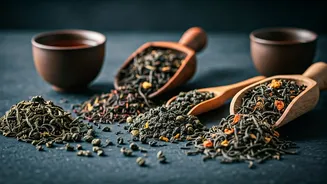
The most significant choice you can make is between loose-leaf tea and tea bags. While bags offer convenience, they often contain lower-grade tea known as "fannings" or "dust". These are the smallest particles left over from processing higher-quality
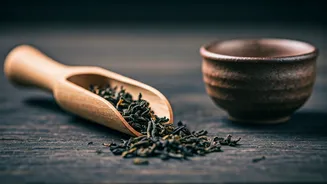
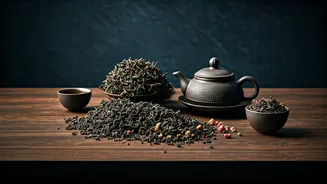
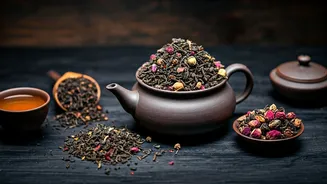
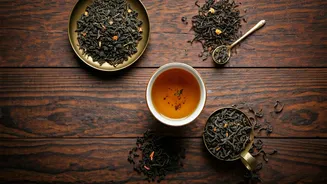
leaves. Because these tiny fragments have more surface area, they infuse quickly but can also release more tannins, leading to a bitter or flat taste. Loose-leaf tea generally consists of whole or larger broken leaves that retain more of their essential oils and complex flavours. When brewed, these leaves have room to unfurl and release their full aromatic profile, offering a more nuanced and satisfying experience. While some premium brands now use higher-quality leaves in pyramid-shaped bags, loose-leaf remains the gold standard for taste and quality.
Decode the Ingredient List
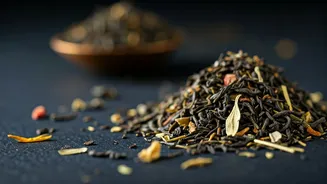
A high-quality tea should have a simple ingredients list: just tea. Be wary of the term "natural flavours." While it sounds wholesome, this label can hide a complex array of lab-derived additives used to create a consistent taste or mask lower-quality leaves. Truly high-end flavoured teas will use real inclusions like dried fruit pieces, flower petals, and spices, which should be clearly listed. The term "artificial flavours" refers to flavouring molecules that are synthesized and do not exist in nature. Both natural and artificial flavours are often used to make a product more affordable or to create a taste that isn't easily achieved with whole ingredients. If you're looking for purity, stick to teas with no added flavours at all.
Look for Origin and Harvest Details
Vague labels like "black tea" or "premium blend" tell you very little. Reputable tea sellers provide specific information about where their tea comes from, often down to the exact region or estate. This is known as "single-origin" tea. Just as with wine, the tea plant's environment—its soil, climate, and altitude—has a huge impact on its final taste. Details about the harvest date are also a crucial indicator of freshness and quality, especially for green and white teas, where the earliest spring pluckings are the most prized. A package that provides this level of transparency is usually a sign of a seller who is confident in their product.
Learn Basic Tea Grades
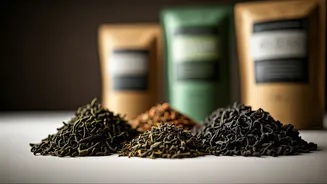
The tea industry uses a grading system, particularly for black teas from India and Sri Lanka, based on leaf size. While the letters can look confusing (like TGFOP for Tippy Golden Flowery Orange Pekoe), the basic principle is simple: whole leaves are the highest grade. Broken leaves (BOP - Broken Orange Pekoe) are a step down, followed by fannings and dust, which are used in most mass-market tea bags. More golden 'tips' or buds in a whole-leaf tea generally signal a finer, more delicate flavour. While these grades aren't a perfect measure of flavour, they are a reliable indicator of how the tea was processed and what to expect in your cup.
Trust Your Senses
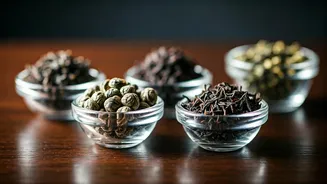
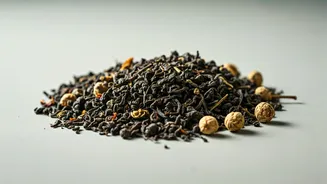
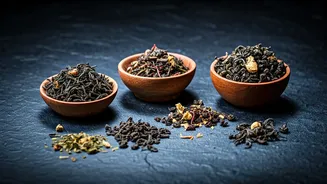
Before you buy, and certainly before you brew, use your eyes and nose. High-quality dry tea leaves should have a vibrant, fresh aroma that is natural and inviting, not stale or overly perfumed. The leaves themselves should appear whole or, if broken, should be uniform in size. For green tea, look for a distinct green colour, which indicates freshness. White tea should have visible fine, downy hairs on the buds. A bag of tea that contains a lot of dust and stems is a sign of lower quality. Ultimately, seeing and smelling the tea itself provides more information than any marketing claim on the box.