






An Ancient Ally for Modern Gardens
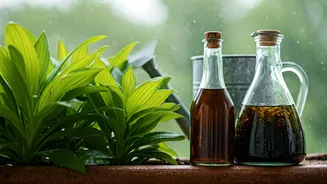
For centuries, the neem tree (Azadirachta indica) has been a cornerstone of Indian traditional medicine and agriculture. Neem oil, extracted from the seeds of the tree, is a powerhouse of natural compounds, most notably azadirachtin. This isn't a harsh
chemical that kills on contact. Instead, it works in a more intelligent way. Azadirachtin is a natural insect growth regulator. It interferes with the hormonal systems of many common garden pests, preventing them from feeding, moulting, and reproducing. This systemic action disrupts their life cycle without the 'scorched earth' effect of synthetic pesticides, making it an invaluable tool for the conscious gardener.
Why It Works in Humid Conditions
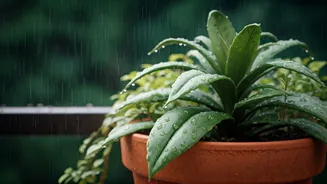
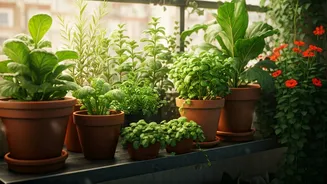
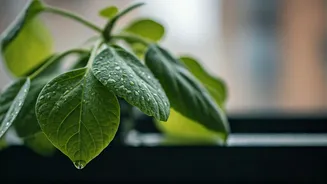
Humidity is a double-edged sword for gardeners. While many tropical plants love it, so do fungal diseases. That white, dusty coating on your leaves? That’s likely powdery mildew, a fungus that thrives in damp, warm air with poor circulation—a common scenario on urban balconies. Neem oil acts as a potent, preventative fungicide. When sprayed on leaves, it creates a barrier that prevents fungal spores from germinating. For existing, mild infections, it can stop the fungus from spreading further. By addressing the root cause of many humidity-related plant problems—fungal growth—neem oil helps your plants stay healthy and resilient, even during the monsoon season.
Your DIY Neem Oil Spray Recipe
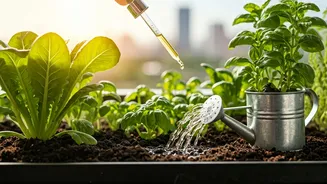
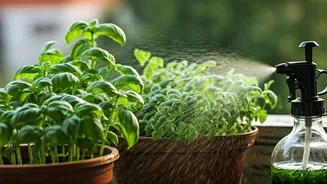
Mixing your own neem oil spray is simple and cost-effective. Commercial pre-mixed solutions are available, but making it fresh ensures maximum potency. You will need three things: cold-pressed neem oil, a gentle liquid soap, and a spray bottle. Here’s a standard recipe for one litre of spray:1. **Water:** Start with one litre of lukewarm water in your spray bottle. Warm water helps the oil emulsify more easily.2. **Neem Oil:** Add 1 teaspoon (5 ml) of 100% cold-pressed neem oil. Quality matters, as cold-pressed oil retains the highest concentration of azadirachtin.3. **Emulsifier:** Add ½ teaspoon (2-3 ml) of a mild liquid soap. Do not use detergent. The soap acts as an emulsifier, allowing the oil and water to mix. Without it, the oil will just float on top. Secure the lid and shake the bottle vigorously until the mixture looks milky and uniform. You’ll need to shake it periodically during application to keep the oil and water from separating.
Smart Application for Safe Results
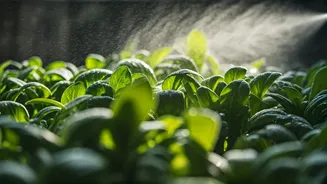
How and when you apply the spray is just as important as the recipe itself. To use it safely and effectively, follow these guidelines. First, always perform a 'patch test' on a single leaf 24 hours before spraying the entire plant to ensure it doesn't cause any damage. The best time to spray is in the early morning or late evening. Applying neem oil in direct, hot sunlight can cause the leaves to burn. Ensure you spray the entire plant thoroughly, paying special attention to the undersides of leaves where pests like to hide. The goal is to coat the surfaces, not drench the plant to the point of dripping. For preventative care, apply once every two weeks. If you’re treating an active pest or fungal problem, apply every 7 days until the issue is resolved.
Understanding Its 'Safe' Profile
The word 'safe' is key. Compared to synthetic chemical pesticides, neem oil is significantly safer for the environment. It is biodegradable and generally non-toxic to birds, mammals, and adult bees when used correctly. The key is to spray in the evening when pollinators are not active, allowing the spray to dry overnight. However, it’s important to remember that 'natural' doesn't mean 'harmless'. Keep the concentrated oil and the mixed spray away from children and pets. While it's used on edible plants, you should always wash your produce thoroughly before consumption. Its primary benefit is that it targets specific pests without wiping out the entire ecosystem of your garden, allowing beneficial insects to continue their work.