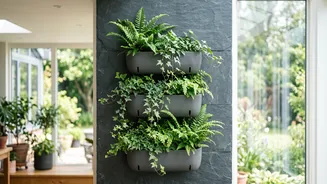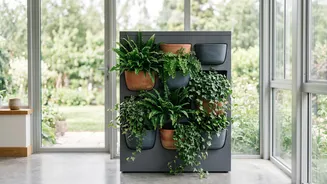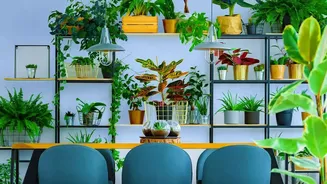

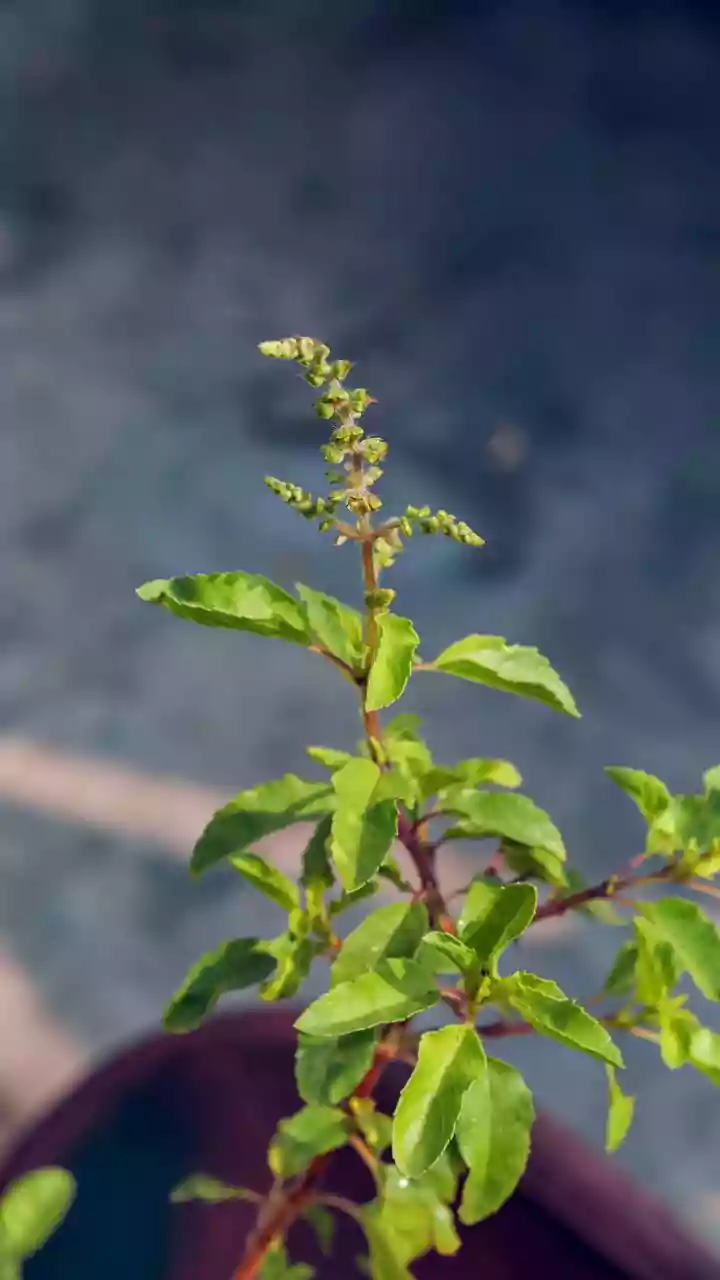

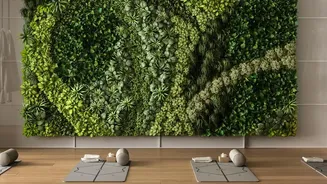
A lush, dense vertical garden is a stunning sight, but there's a fine line between full and overcrowded. Too many plants can lead to competition for resources, pests, and disease. Here’s how to get it right from the start.
Plan Before You Plant
The single most common mistake
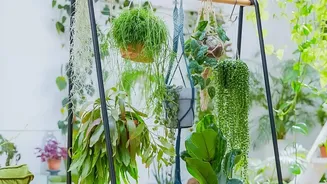
in vertical gardening is underestimating a plant's mature size. That tiny sapling in a pocket planter could triple in size, shadowing its neighbours and hogging all the nutrients. Before buying a single plant, research its final height and spread. Opt for compact or dwarf varieties of your favourite species. Plants like lettuce, spinach, many herbs, and certain flowering ornamentals such as Vinca (Sadabahar) or Portulaca are excellent choices as they tend to be naturally contained. Also consider the plant's growth habit. Vertical gardens have different tiers, and a trailing plant like a Money Plant at the top will quickly smother everything below it. A better strategy is to place upright growers at the top, mounding plants in the middle, and trailing varieties at the base to create a balanced, sustainable wall.
Respect Personal Space
Once you have your plants, the temptation is to pack them in for an instantly full look. This is a short-term gain that leads to long-term problems. Overcrowding restricts airflow, creating a humid environment that is a breeding ground for fungal diseases and pests. It also forces plants to compete for light, water, and nutrients, which can lead to stunted growth, yellowing leaves, and weak stems. As a rule, consider the mature width of your plants. If a plant grows to be 12 inches wide, it should be planted about 12 inches away from the centre of the next plant. This is called 'on-center' spacing. It might look sparse at first, but as the plants grow, they will fill in the gaps perfectly, just touching without fighting for space. Leaving some pockets empty is part of a good design, not a waste of space.
Choose the Right System and Soil
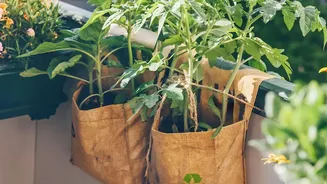
The type of vertical garden system you use plays a role in managing density. Pocket planters are common but offer limited root volume. If you plant something that needs a deep root system, like a large tomato variety, it will quickly become 'root-bound', a condition where the roots circle the container and the plant stops growing. For larger plants, consider deeper modular containers or pots. Leafy greens and herbs, on the other hand, thrive in shallower systems. The soil is just as critical. Standard garden soil is too heavy and will compact, suffocating roots. Use a lightweight, high-quality potting mix that contains materials like perlite to keep it fluffy and ensure good drainage and aeration.
Embrace Regular Pruning and Trimming
Maintenance is non_negotiable for a healthy vertical garden. Regular pruning and trimming are your best tools to control growth and prevent overcrowding. Pruning involves selectively removing branches, stems, or leaves to improve the plant's health and direct its energy. Trimming is more about maintaining the desired shape and size. Aim to trim your garden 1_2 times a year, or more frequently for vigorous growers. This not only keeps the garden looking neat but also improves air circulation and light penetration to lower leaves. Regularly remove any dead or yellowing leaves to prevent decay, which can attract pests. For edible herbs, frequent harvesting doubles as a form of trimming that encourages bushier, more productive growth.
Watch for Signs of Trouble
Your plants will tell you when they are feeling crowded. Pay attention to the warning signs. Are the lower leaves turning yellow or brown? This could mean they are not getting enough sunlight because the plants above them have grown too dense. Are you noticing more pests or signs of mildew? Poor air circulation is a likely culprit. If some plants appear weak, spindly, or are not growing as well as others, they may be losing the competition for water and nutrients. When you see these signs, it's time to intervene. Don't be afraid to thin out plants by pruning them back significantly or even removing a few entirely to give the others a better chance to thrive. A slightly less dense garden with healthy, vibrant plants is far more beautiful than a packed wall of struggling ones.