
Start at the Source: Pick Perfect Peppers
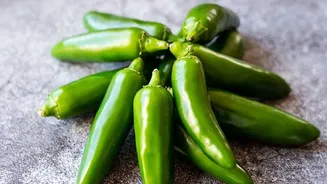
The secret to long-lasting peppers begins at the grocery store. To give yourself the best chance, choose peppers that are firm to the touch and feel heavy for their size. Look for smooth, shiny, and evenly coloured skin with a fresh, green stem. Avoid
any peppers that show signs of wrinkling, soft spots, or blemishes, as these indicate the pepper is already losing moisture and quality. A firm pepper with taut skin will always last longer in your kitchen than one that is already starting to soften.
The Crisper Drawer: Your Pepper's Best Friend
For short-term storage of one to two weeks, the refrigerator is your best bet. The key is to store peppers whole and unwashed. Washing introduces moisture that can accelerate spoilage. Place your whole peppers in a perforated plastic bag or a standard produce bag left slightly open. This allows air to circulate and prevents the buildup of ethylene gas, which can speed up ripening. Store them in your refrigerator's crisper drawer for best results. Once you cut a pepper, its shelf life shortens to just a few days. Store cut peppers in an airtight container in the fridge and use them as soon as possible.
Freeze for the Future: A Simple Guide
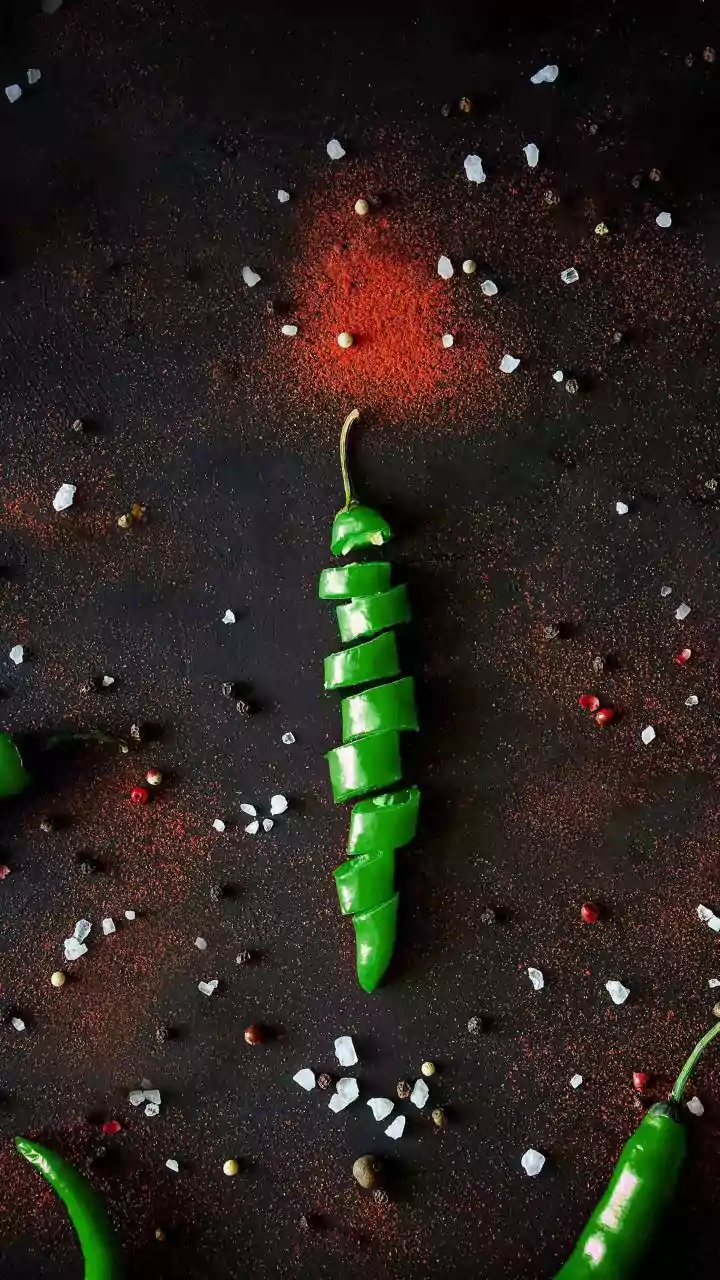
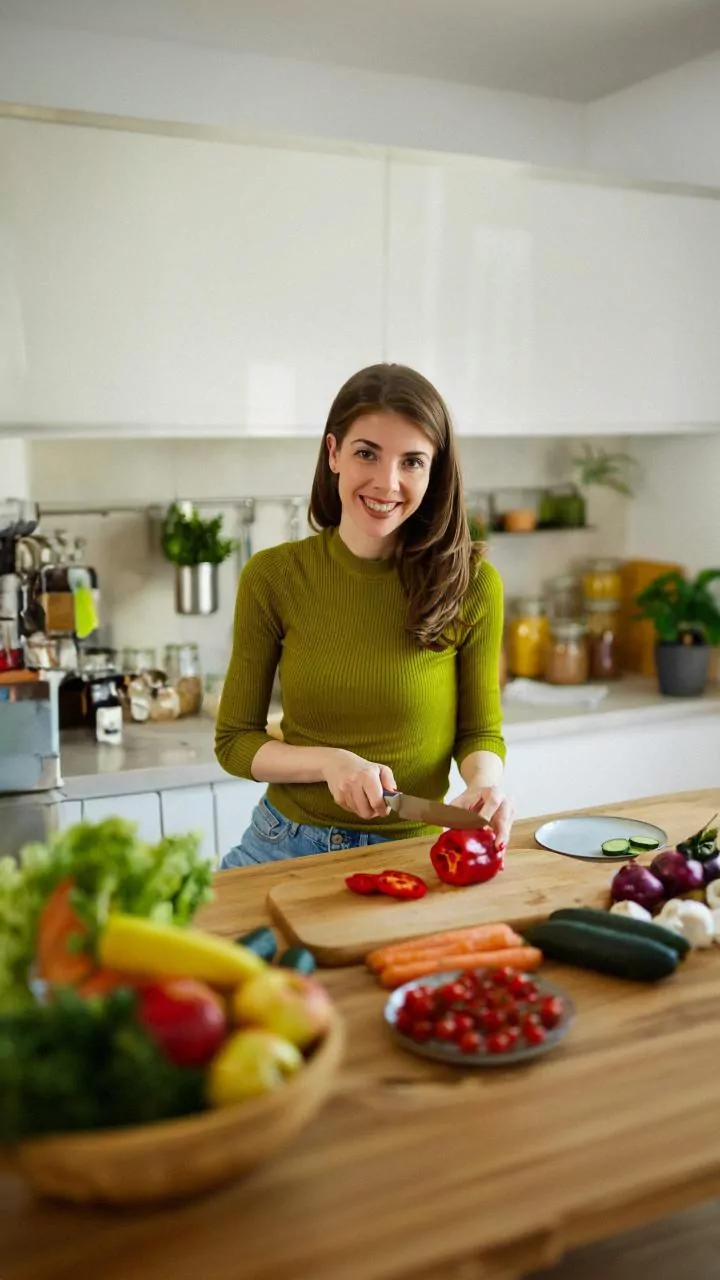
Freezing is an excellent way to preserve peppers for months, perfect for future use in cooked dishes like soups, stews, and stir-fries. While frozen peppers lose their crispness, their flavour remains intact. Start by washing the peppers, then cut them into your desired shape—strips, rings, or dice—removing the stems and seeds. While you can freeze them raw, some experts recommend blanching them for 2-3 minutes in boiling water, followed by an ice bath, to better preserve their colour, flavour, and texture. To prevent the pieces from freezing into a solid block, 'flash freeze' them first. Spread the pepper pieces in a single layer on a baking sheet and freeze for one to two hours. Once solid, transfer them to a freezer bag or airtight container for long-term storage.
Drying for Flavour: Dehydrating and Air-Drying
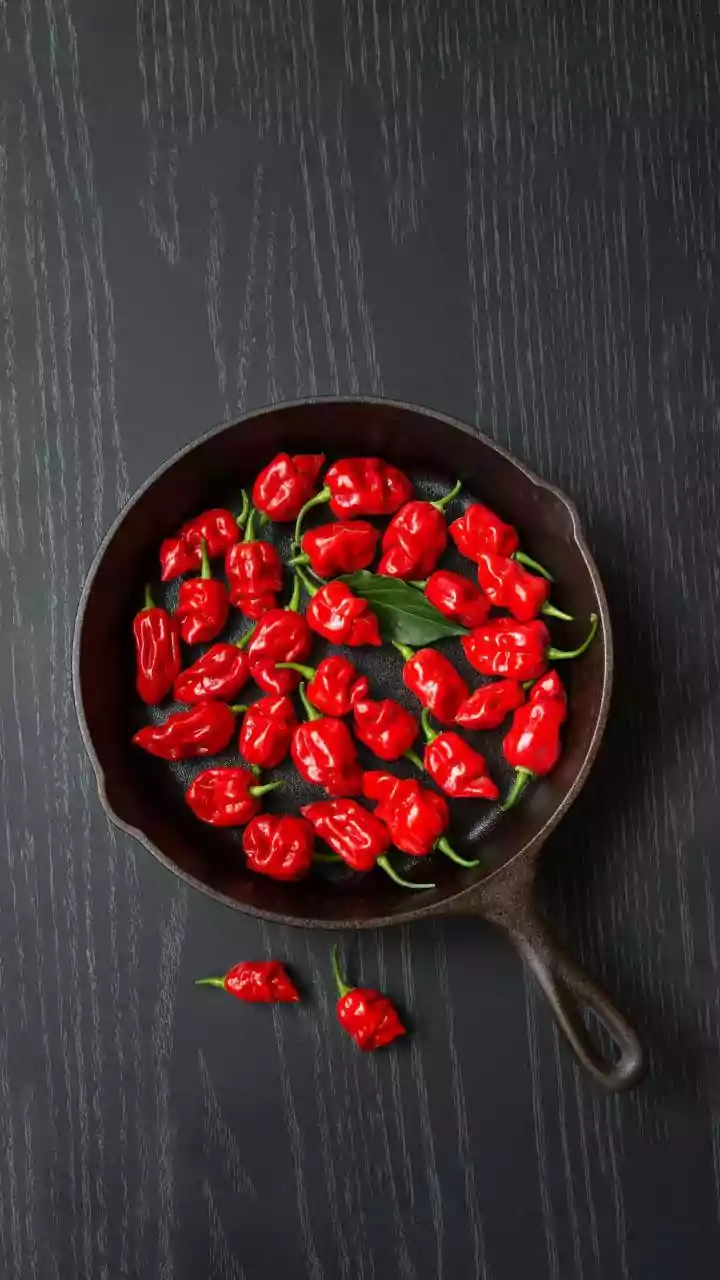
Drying peppers, especially hot varieties, concentrates their flavour and creates a fantastic pantry staple. The most traditional method is air-drying. You can simply string whole chilies on a thread, ensuring space between each one for air circulation, and hang them in a dry, warm, sunny spot. This process can take several weeks. For faster results, use an oven or a food dehydrator. Slice peppers uniformly and place them on a baking sheet in the oven at its lowest temperature setting (around 140-150°F or 60-65°C), leaving the door slightly ajar to allow moisture to escape. This can take several hours. Once completely brittle, the dried peppers can be stored in an airtight jar for over a year or ground into flakes or powder.
A Tangy Twist: Quick Pickling Basics
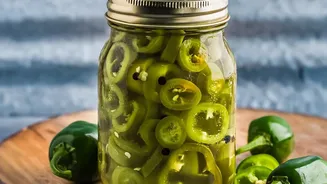
Pickled peppers add a bright, tangy kick to sandwiches, salads, and tacos. Quick pickling is incredibly simple and doesn't require special canning equipment. Start by slicing your peppers and packing them tightly into a clean glass jar. In a saucepan, create a brine by bringing equal parts water and vinegar to a simmer with salt and sugar to taste. You can also add flavourings like garlic cloves, peppercorns, or dried oregano. Pour the hot brine over the peppers, seal the jar, and let it cool. Once at room temperature, store the jar in the refrigerator. The pickled peppers will be ready to eat in a few hours and will keep for several weeks, with their flavour developing more over time.