



Why Alerts Are a Modern Travel Essential
In an increasingly unpredictable world, being informed is your best travel accessory. Ignoring official alerts can turn a dream vacation into a logistical nightmare. These advisories provide critical, real-time information on a range of issues that could
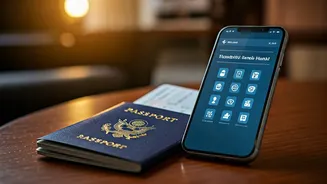
impact your trip, including civil unrest, sudden disease outbreaks, extreme weather events, and even terrorism. Recent global events have shown how quickly situations can change. Airlines may suspend flights to entire regions due to geopolitical tensions, and new digital border systems can cause unexpected, lengthy delays at airports. Checking alerts beforehand allows you to anticipate potential disruptions, make alternative plans, or in serious cases, reconsider your travel to ensure your safety and security. It transforms you from a passive tourist into a proactive, prepared traveller.
Your Primary Source: The Ministry of External Affairs
For Indian nationals travelling abroad, the most authoritative source for information is the Ministry of External Affairs (MEA). The MEA’s website provides country-specific travel advisories that cover safety, security, and other urgent alerts. Before booking any international trip, and again before you depart, make it a habit to visit the MEA’s travel advisory portal. These advisories are created to protect Indian citizens and provide guidance on everything from visa requirements to regions experiencing instability. The government also offers other useful portals, like the Madad portal for seeking consular assistance while abroad, which can be a lifeline in an emergency. Think of the MEA advisory as your official, first-line-of-defence briefing.
Beyond Security: Health and Wellness Checks
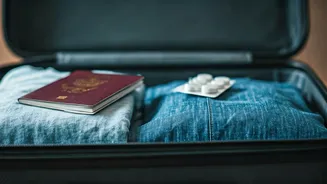
Travel alerts aren't just about security threats; they are also vital for your health. International bodies like the World Health Organization (WHO) and national ones like the Centers for Disease Control and Prevention (CDC) issue health-related travel notices. These can include warnings about disease outbreaks like dengue or Zika, recommendations for necessary vaccinations, and information on the quality of local medical infrastructure. For example, some countries require proof of yellow fever vaccination for entry. Before travelling, consult these resources and discuss your itinerary with a doctor to ensure you have the required immunisations and any necessary preventative medications. It's also wise to pack a basic health kit and check local hygiene standards for food and water to prevent common illnesses.
On-the-Ground Intelligence: Local News and Weather
While government advisories provide a high-level overview, local news outlets and weather forecasts offer essential on-the-ground intelligence. A national advisory might rate a country as generally safe, but a specific region could be bracing for a cyclone or experiencing localised protests. Short-term security alerts, often issued by local embassies, cover these specific events like demonstrations or crime trends. Before you leave and upon arrival, do a quick search for local English-language news sites and download a reliable weather app for your destination. This practice can help you avoid road closures, transportation strikes, or simply pack the right clothes for an unexpected heatwave or cold snap. Staying informed about local conditions empowers you to make smarter daily decisions during your trip.
Navigating Cultural and Legal Norms
A smooth trip isn't just about avoiding danger; it's also about respecting local culture and laws. While not always part of a formal 'alert', researching these nuances is just as important. Some countries have strict dress codes, prohibitions on alcohol, or severe penalties for seemingly minor offences. A lack of awareness can lead to fines, detention, or simply social awkwardness. The MEA often advises that the duration and activities of your stay must conform to your visa category to avoid legal trouble. Similarly, the U.S. State Department warns its citizens that violent crimes can occur even at tourist sites in India and advises them on which areas to avoid. A quick search for “local laws and customs” for your destination can reveal crucial information about social etiquette, photography restrictions, and legal expectations that will help you travel respectfully and without incident.