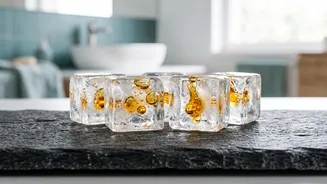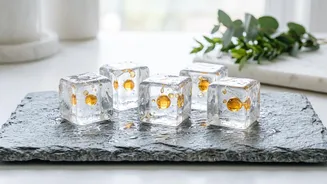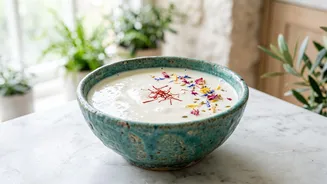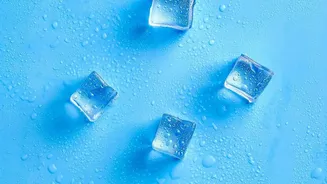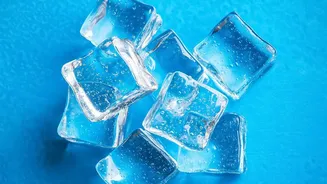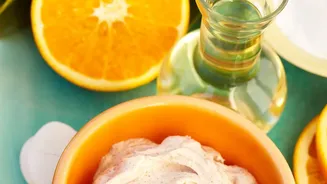


A new viral skincare hack has taken over social media: DIY 'retinol' ice cubes. Promising smooth, glowing skin with simple kitchen ingredients, these icy treats seem like a dream. But there's a catch—they are completely misnamed.
The Icy Trend Taking Over
Scroll through beauty
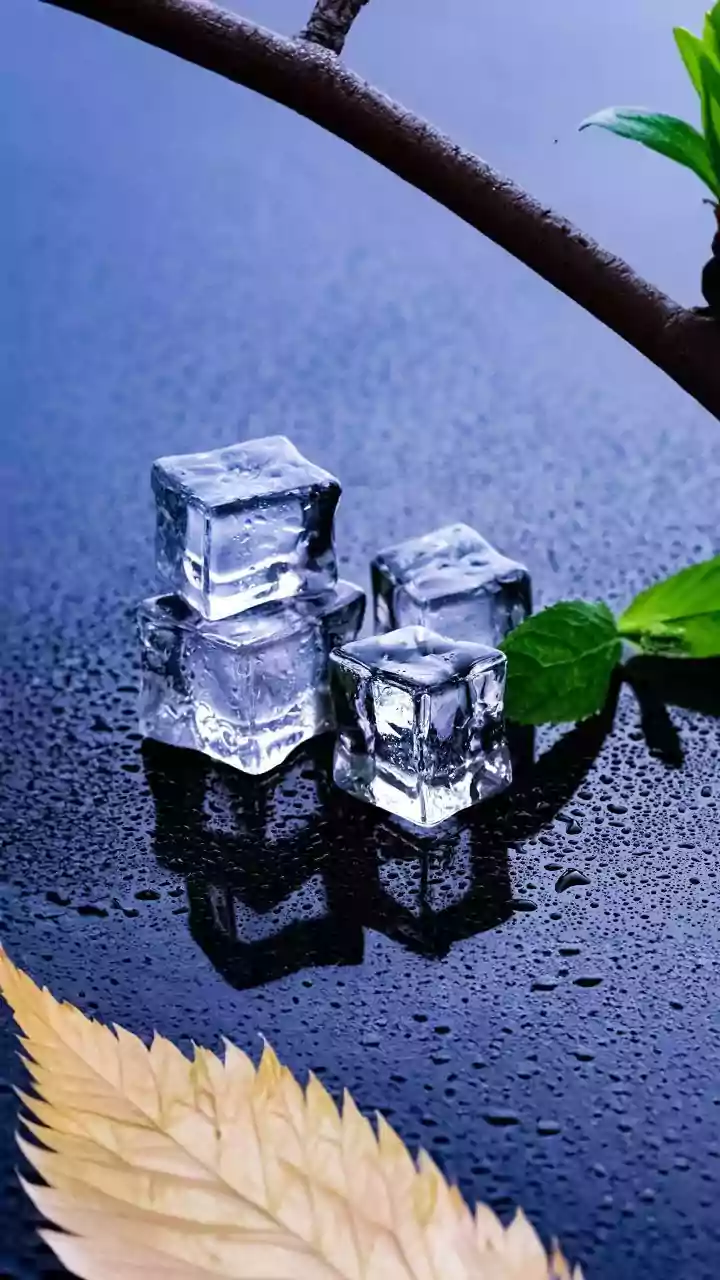
feeds, and you'll likely see tutorials for making 'retinol' ice cubes. The recipes vary, but they typically involve blending ingredients like carrots, cucumber, rosehip oil, or potatoes, then freezing the mixture in an ice tray. Influencers and users claim that rubbing these frozen cubes on your face reduces wrinkles, brightens skin, and provides the anti-aging benefits of retinol, all with a natural, homemade twist. The cooling sensation of the ice also helps to de-puff the skin, adding to the immediate appeal and making it a seemingly perfect morning ritual.
The Main Ingredient Is Missing
Here's the problem: none of these homemade recipes contain actual retinol. Retinol is a specific, pre-formed type of Vitamin A found in animal products and created in labs for skincare. What ingredients like carrots do contain is beta-carotene. Beta-carotene is what gives carrots their orange color and it is a 'provitamin A' or a precursor to retinol. The two are often confused, but they are not the same thing, especially when it comes to skincare.
Beta-Carotene vs. Retinol: What’s the Difference?
Your body can convert beta-carotene into retinol, but the process is not very efficient. When you eat carrots, your digestive system can make this conversion internally, which benefits your overall health. However, when beta-carotene is applied topically to the skin, its ability to convert to retinol is limited and far less potent than using a formulated retinol product. Lab-formulated retinol is already in its active or near-active form, allowing it to get to work quickly stimulating collagen production and speeding up cell turnover. Relying on a DIY carrot-juice ice cube to deliver a retinol-like effect is like expecting a gentle breeze to have the power of a hurricane.
So, What Are These Cubes Actually Doing?
This isn't to say the DIY ice cubes are useless. They just don't work as advertised. The primary benefit comes from cryotherapy—applying cold to the skin. The ice itself can temporarily constrict blood vessels, which helps reduce morning puffiness and redness, giving your skin a tighter, refreshed appearance. Furthermore, the ingredients do have some mild benefits. Cucumber and aloe vera are hydrating and soothing. Carrots and rosehip oil are rich in antioxidants, which help protect the skin from environmental damage. Rosehip oil, for its part, is known to contain very small amounts of all_trans retinoic acid, but not in concentrations that would rival a dedicated retinol product. Think of these cubes as a refreshing, antioxidant_rich skin treatment, not an anti_aging powerhouse.
Using Real Retinol Safely and Effectively
For those seeking the proven benefits of retinol—reduced fine lines, improved skin texture, and boosted collagen—the answer lies in commercially formulated products. Dermatologists advise starting with a low concentration (around 0.25% to 0.5%) once or twice a week to allow your skin to acclimate. Retinol can cause dryness, redness, and peeling, especially at first. Always apply it to dry skin at night, follow with a good moisturizer, and most importantly, use a broad_spectrum sunscreen with at least SPF 30 every single day. Retinol makes your skin more sensitive to the sun, and skipping sunscreen can negate its benefits and cause further damage.