


Why Venus Still Fascinates Scientists
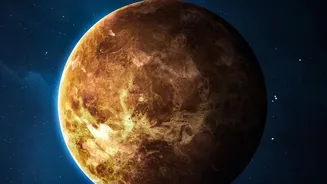
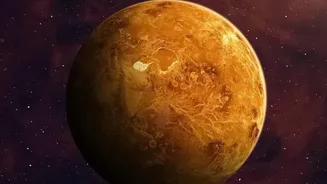
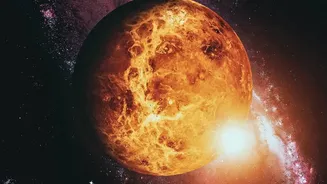
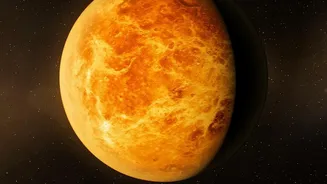
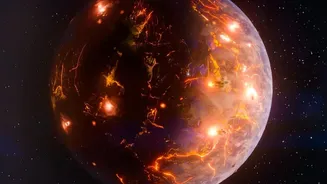
Despite being similar in size, mass, and density to Earth, Venus is a hellish world with surface temperatures hot enough to melt lead and a corrosive atmosphere of carbon dioxide and sulfuric acid clouds. Scientists believe it may have once been a habitable
world with liquid water. Understanding what caused its runaway greenhouse effect is crucial, as it provides a natural laboratory for studying climate change and planetary evolution. Answering why our twin took such a different path is one of the biggest questions in planetary science today, holding potential lessons for the future of our own planet.
ISRO's Next Great Leap: Shukrayaan-1
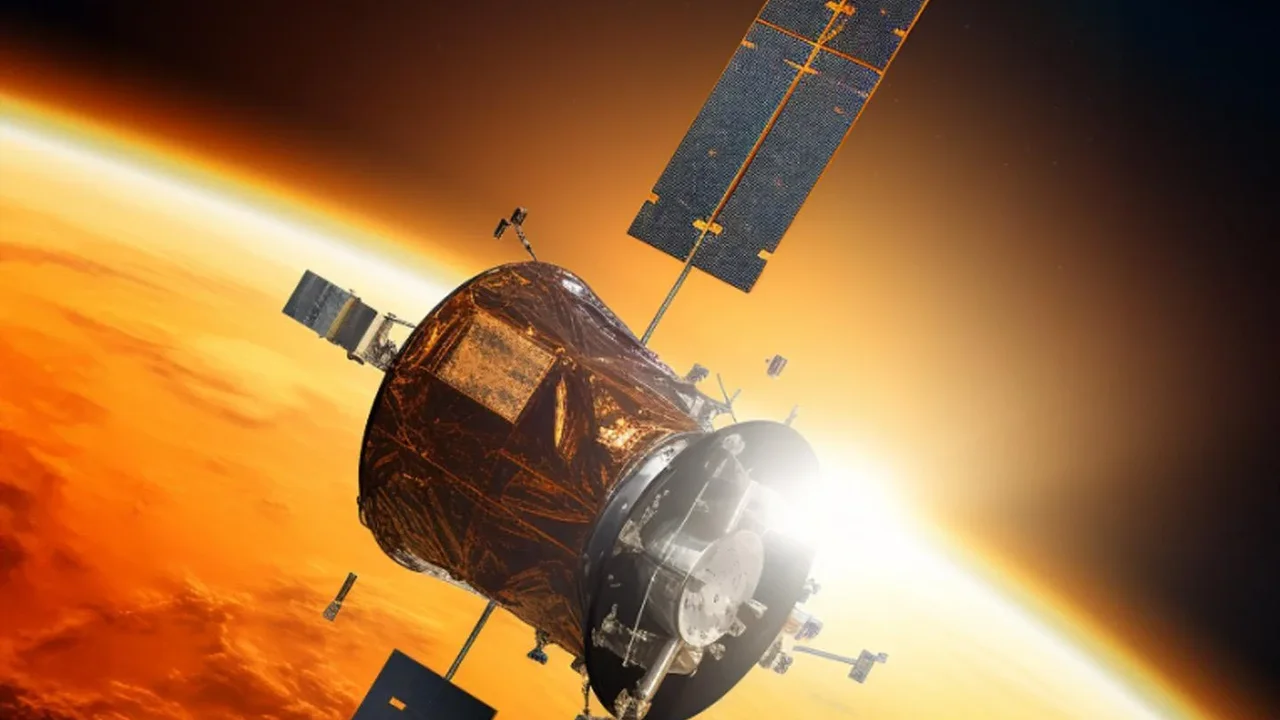
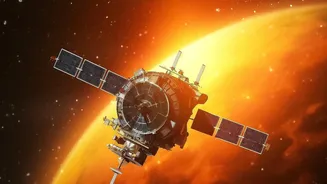
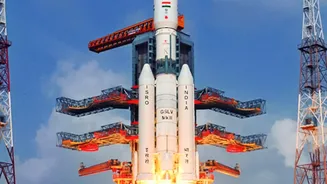
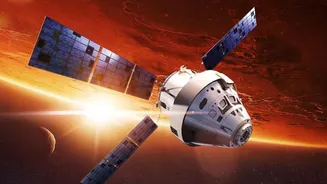
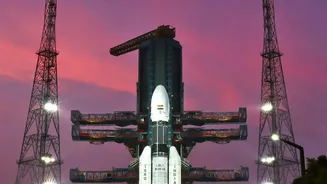
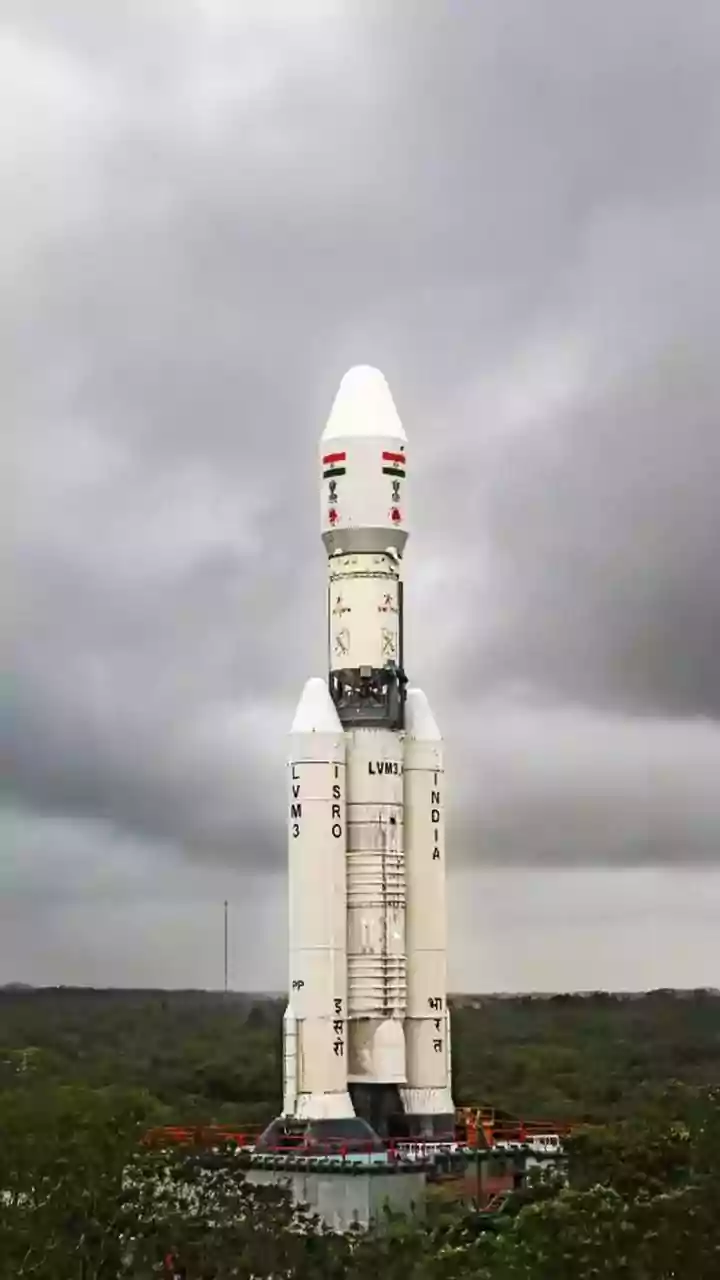
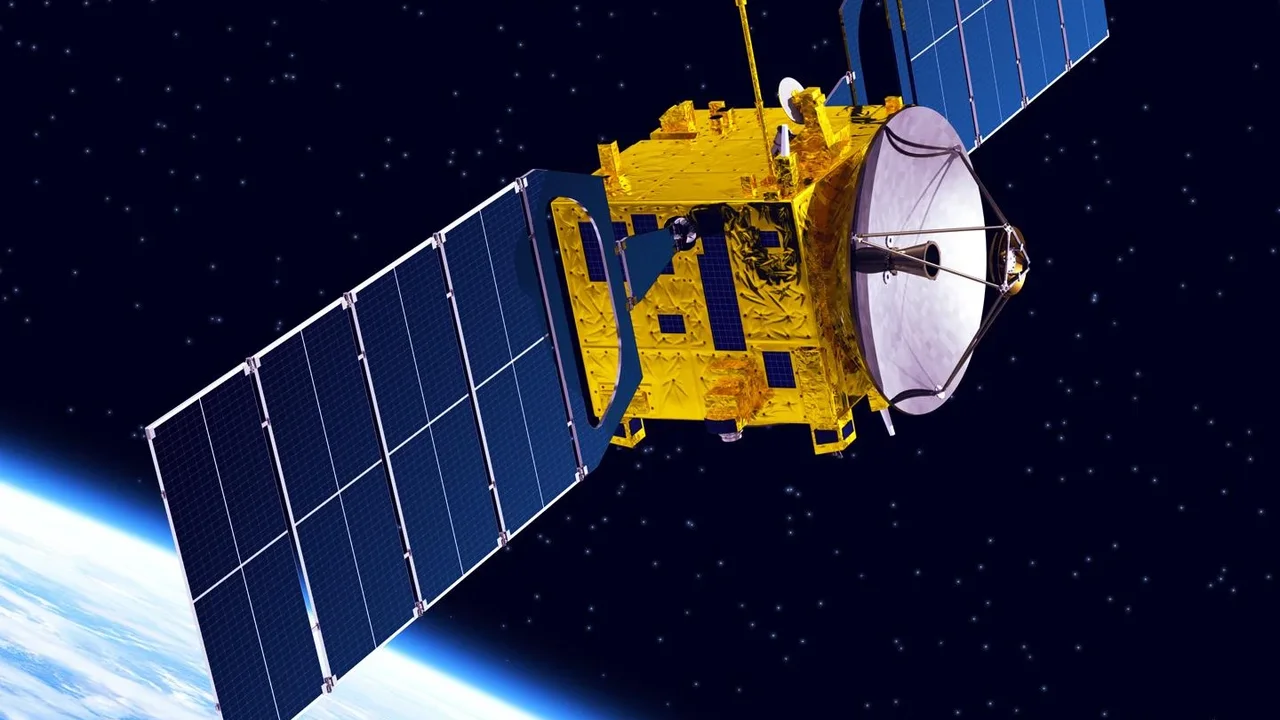
Following the historic success of missions to the Moon and Mars, the Indian Space Research Organisation (ISRO) is turning its attention to Venus. The Venus Orbiter Mission, unofficially known as Shukrayaan-1, was formally approved by the Indian government in September 2024. Scheduled for launch in March 2028 aboard a powerful LVM3 rocket, the spacecraft will embark on a 112-day journey to enter orbit around Venus. The mission is designed to operate for four years, performing a comprehensive investigation of the planet from a highly elliptical orbit that will be gradually lowered using a fuel-saving technique called aerobraking.
Mapping a Hidden World with Radar
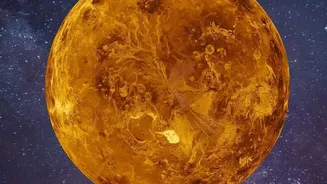
To see what's happening beneath the planet's permanent cloud cover, Shukrayaan-1's flagship instrument is a high-resolution Synthetic Aperture Radar (SAR). This powerful radar can pierce through the thick atmosphere to map the Venusian surface in incredible detail, regardless of light or weather conditions. Its objectives include searching for signs of active volcanoes and lava flows, which would prove Venus is still geologically active. Even more ambitiously, the mission will carry a ground-penetrating radar, the first of its kind to be used at Venus, to study the planet's subsurface geology and stratigraphy—the layers of rock beneath the surface.
Analysing a Toxic Atmosphere
A significant portion of Shukrayaan-1's 100 kg scientific payload is dedicated to understanding Venus's mysterious atmosphere. A suite of instruments, including thermal cameras and spectrometers, will study the structure, composition, and dynamics of the super-rotating clouds. One key instrument, a collaboration with Russia and France called VIRAL (Venus Infrared Atmospheric Gases Linker), will analyse atmospheric gases. Scientists will also be looking for lightning, a phenomenon long suspected but never definitively confirmed in the Venusian clouds.
Studying a Planet's Interaction with the Sun
How does a planet without a protective magnetic field, like Earth's, cope with the constant blast of charged particles from the sun? Shukrayaan-1 aims to find out by studying the interaction between the solar wind and the Venusian ionosphere. An instrument developed in collaboration with Sweden, the Venusian Neutrals Analyser (VNA), will study how the atmosphere escapes into space. Understanding these processes is key to piecing together why Venus lost its water and evolved so differently from Earth. The data gathered will provide a wealth of information on planetary atmospheres and their relationship with their parent stars.