






Understanding the Latest Monsoon Alerts
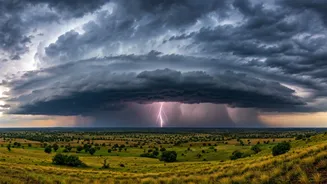
The India Meteorological Department (IMD) has forecast widespread rainfall, thunderstorms, and spells of heavy to very heavy rain for many regions between late June and early July. [11] The monsoon has already advanced into states like Maharashtra, Telangana,
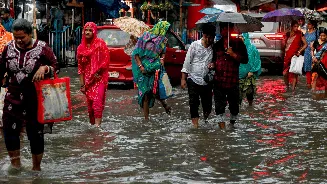
and Odisha, with further progress expected into northwest India. [11, 19] Alerts are active for numerous states, including Northwest India, the West coast, and Southern India. [11] These alerts signal everything from thunderstorms and gusty winds to the potential for significant waterlogging and flooding. [11, 18] Being aware of the forecast for your specific area is the first step in effective preparation. [5, 7]
Fortify Your Home Against the Elements
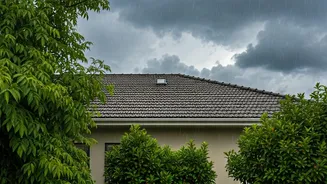
A secure home is your primary defence during the monsoon. Before the heaviest rains hit, conduct a thorough check for potential vulnerabilities. Inspect your roof for loose tiles and check walls for cracks that could allow water seepage. Clear out clogged drains and gutters to prevent water from overflowing and accumulating. It is also wise to prepare a basic emergency kit that includes battery-operated lights, a power bank for your phone, and a stock of essential medicines. [9] Given the risk of power outages during storms, ensuring you have a backup plan for light and communication is crucial. [9]
Prioritise Health and Hygiene
The monsoon season is notorious for an increase in vector-borne and water-borne diseases like malaria, dengue, typhoid, and cholera. [2, 10] The humid environment is a perfect breeding ground for mosquitoes and bacteria. [2, 10] To protect yourself and your family, avoid allowing water to stagnate around your home, as these puddles become mosquito breeding sites. [4] Maintain strict personal hygiene by washing your hands frequently. [2, 4] Be cautious about food and water consumption; it's best to avoid street food and ensure your drinking water is either boiled or properly filtered. [4, 8] Eating freshly cooked, nutritious meals helps boost your immunity to fight off common monsoon infections. [6]
Navigate Your Commute Safely
Driving during heavy downpours is challenging due to reduced visibility and slippery roads. [5] Before the season gets into full swing, ensure your vehicle is monsoon-ready: check your tyres, brakes, and windscreen wipers. [3, 13] When driving, reduce your speed, maintain a safe distance from the vehicle ahead, and always use your headlights to improve visibility. [5, 7] It is critical to avoid driving through waterlogged areas, as puddles can hide deep potholes and increase the risk of your vehicle aquaplaning or stalling. [3, 5] If you must travel, stay updated on traffic advisories and consider alternative routes to avoid flooded zones. [5]
Protect Your Digital Life and Important Documents
In an age where our lives are intertwined with technology, digital preparedness is key. Flooding and power surges can damage electronic devices. Keep your gadgets safe by using surge protectors and storing them in elevated, dry places. It's a good practice to back up important digital files to the cloud. For physical documents like passports, property papers, and insurance policies, store them in waterproof bags to protect them from potential water damage. [15] Having digital copies of these essential documents stored securely online or on a USB drive can be invaluable in an emergency.