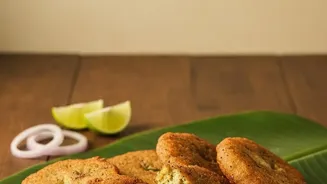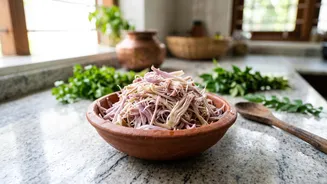



The search for the perfect plant-based substitute for pulled meat is a culinary challenge. While potatoes and jackfruit are common go-tos, they often fall short. Enter the banana flower, an unsung hero that delivers a superior texture.
The Quest for the Perfect Plant-Based 'Pull'
In the world of
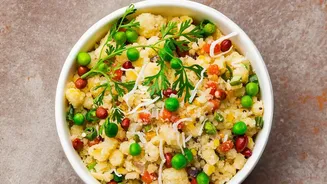
vegetarian and vegan cooking, mimicking the texture of pulled pork or chicken is often considered a holy grail. The goal is a material that is tender, shreds into satisfying strands, and readily soaks up flavourful sauces. For years, cooks have turned to young, unripe jackfruit, which does an admirable job. Another common substitute has been the humble potato. While versatile, boiled potatoes often break down into a mushy consistency, lacking the fibrous, stringy quality that makes pulled meat so appealing. They can become waterlogged and fail to provide the satisfying chewiness that diners crave. This textural letdown has left many searching for a better alternative, something that holds its structure while delivering on taste.
An Old Favourite in a New Role
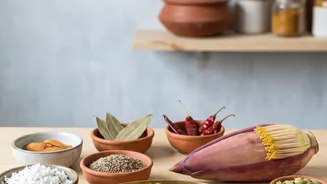
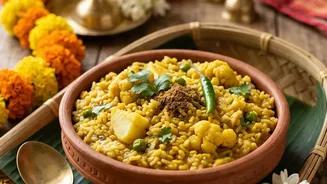
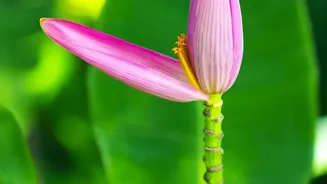
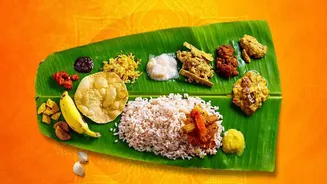
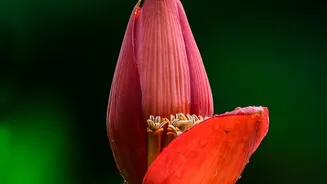
The answer might be hiding in plain sight in many Indian markets and kitchens: the banana flower. Known locally as 'vazhaipoo' in the south or 'mocha' in Bengal, this tear-drop-shaped purple blossom has been a staple in traditional Indian cuisine for centuries. It's used in a variety of regional dishes, from Kerala's 'thoran' stir-fries to Bengali 'ghonto' curries. While traditionally valued for its subtle flavour and health benefits, its modern application as a meat substitute is now gaining global attention. Its naturally layered, flaky structure makes it an ideal candidate for creating a pulled texture that is both convincing and delicious.
Why Banana Flower Succeeds Where Potato Fails
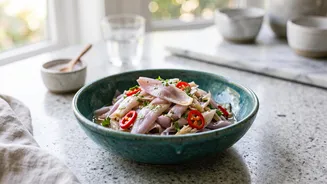
The secret to the banana flower's success lies in its composition. The edible inner petals, or bracts, are naturally fibrous. When cooked and shredded, they separate into delicate, yet firm, strands that closely resemble cooked, pulled meat. This is a stark contrast to potatoes, whose starchy cells swell and burst when boiled, leading to a soft, uniform mash rather than distinct shreds. The banana flower's fibrous nature allows it to withstand cooking and marinating without disintegrating. It maintains a pleasant, flaky chewiness that provides the perfect base for smoky barbecue sauces, spicy Indian masalas, or any other bold flavour profile you can imagine. Its neutral taste is another major advantage, as it acts like a sponge, absorbing seasonings beautifully.
A Nutritional Powerhouse
Beyond its textural superiority, the banana flower is packed with nutritional benefits. It is a fantastic source of dietary fibre, both soluble and insoluble, which is great for digestive health. It's also rich in essential minerals like potassium, calcium, magnesium, iron, and zinc. Furthermore, banana blossoms contain a wealth of antioxidants, including quercetin and catechin, which help protect the body from cell damage. Traditionally, it has been used in Ayurvedic practices for various health reasons. This makes it not just a tasty alternative to meat, but a genuinely healthful addition to any meal.
How to Prepare Banana Flower
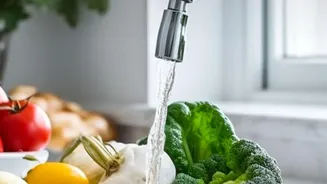
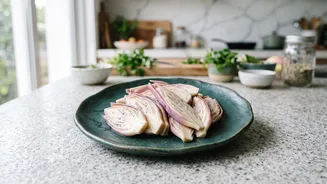
Preparing a fresh banana flower can seem intimidating, but it's a straightforward process. First, you'll need to remove the tough, dark outer leaves until you reach the paler, more tender inner core. You'll find small florets between the layers; the inedible hard pistil and a small, scale-like petal should be removed from each. The core and tender leaves can then be thinly sliced. A crucial step is to immediately submerge the chopped flower in a bowl of acidic water (water with lemon juice or vinegar) to prevent it from browning and to reduce its natural bitterness. After soaking for about 20-30 minutes, it's rinsed and ready to be cooked, shredded, and transformed into a delicious pulled 'meat' dish.