
The Magic of Mix-and-Match
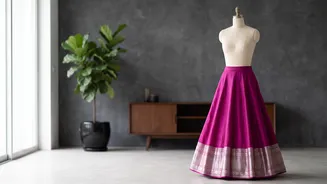
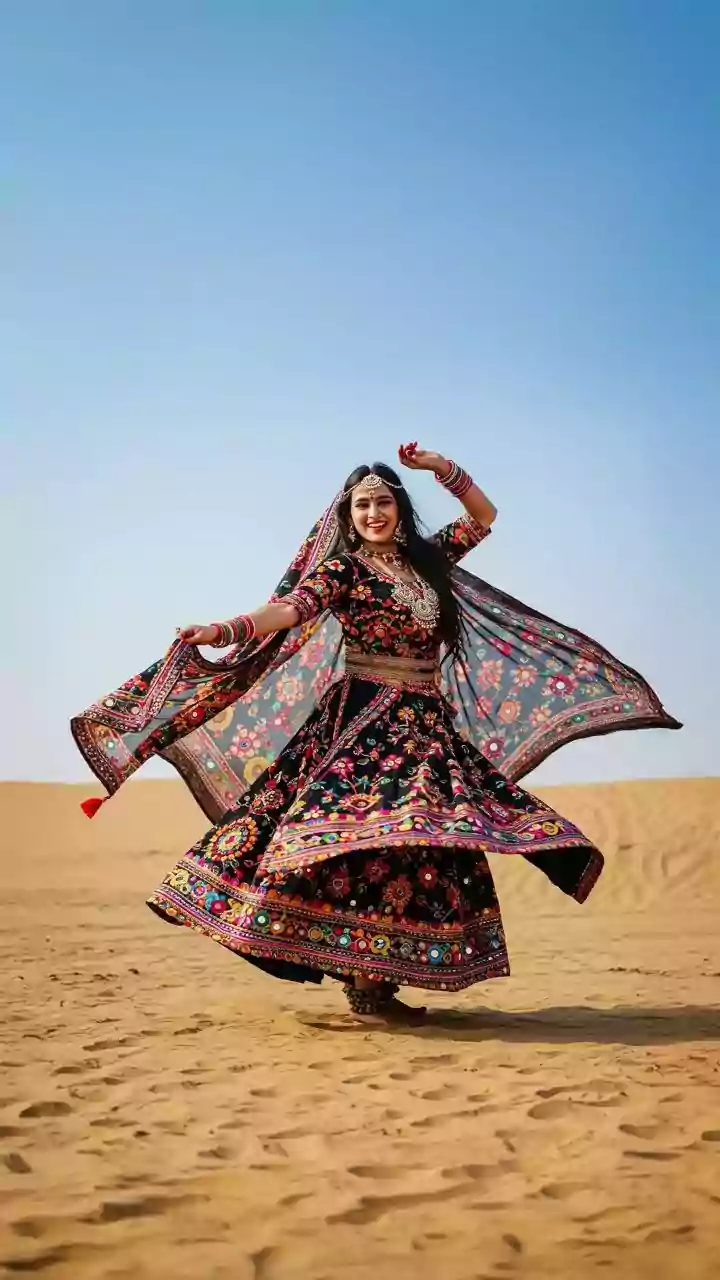
The most sustainable outfit is the one already in your closet. Before buying anything new, shop your own wardrobe. That stunning chaniya from a few years ago can feel entirely new when paired with a different top. Pair a heavily embroidered skirt with a simple,
solid-coloured crop top or even a well-fitted shirt for a fusion look. Conversely, a statement choli with intricate mirror work can elevate a plain lehenga. The key is to see your festive wear not as fixed sets, but as versatile separates waiting for a creative spark. This approach reduces waste and encourages personal style.
Give Old Sarees a New Twirl
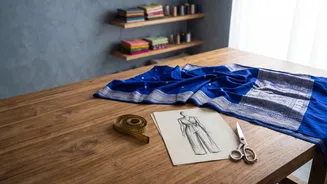
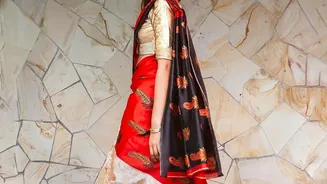
An old saree, especially a bandhani, leheriya, or silk one, is a treasure trove of possibilities. With the help of a local tailor, a vintage saree can be transformed into a beautiful, flowing lehenga or a contemporary chaniya choli. One content creator on social media shared her journey of turning a black saree she loved into a Navratri lehenga because it was the only black item she had for the festival. Even the pallu can be fashioned into a matching choli or a stylish potli bag. For those less inclined towards sewing, draping a saree in a dhoti style or as a lehenga provides a no-sew alternative that is both chic and comfortable for dancing.
The Power of a Statement Dupatta
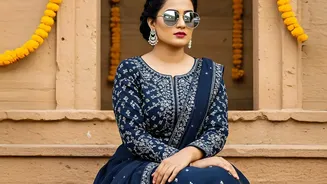
Never underestimate the transformative power of a dupatta. A simple kurta set or a plain lehenga can be instantly elevated with the addition of a vibrant, hand-embroidered dupatta. Look for dupattas in traditional fabrics like Bandhani or those with intricate mirror work. You can also repurpose a heavy dupatta from a different outfit to give a simpler one a festive boost. Some creative stylists even turn old net sarees into a dupatta and a matching wrap-around skirt, proving that every piece has potential. This single accessory can change the entire mood of your outfit, allowing you to repeat clothes without anyone noticing.
Reinvent with Embellishments and Layers
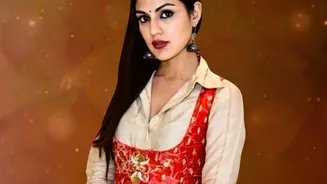
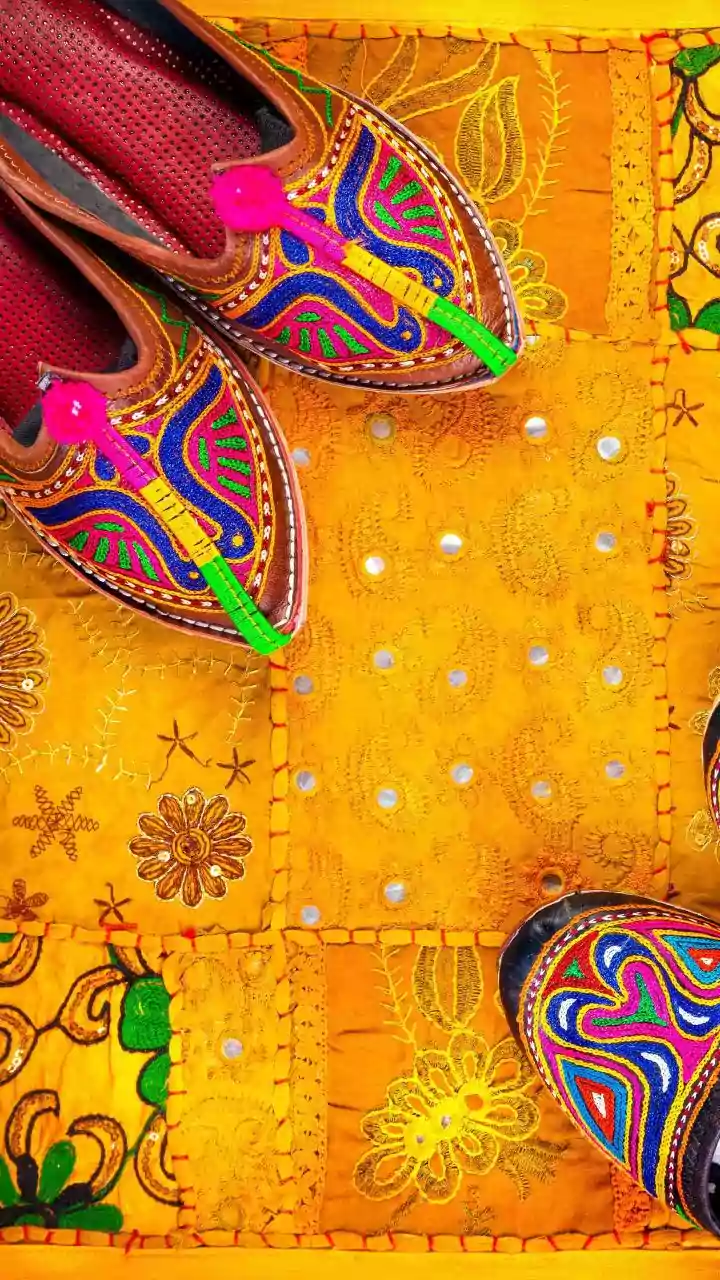
If an old outfit feels lacklustre, consider giving it a DIY glow-up. Adding new mirror work, shell details, or colourful tassels along the hem of a skirt or the edge of a dupatta can breathe new life into it. You don't need to be an expert; many of these embellishments can be glued or easily stitched on. Layering is another powerful tool. An old kurta can be worn as a jacket over a crop top and skirt. Adding a traditional embroidered koti, or jacket, over a lehenga creates a more contemporary silhouette while adding depth and character to your look.
Focus on Breathable, Comfortable Fabrics
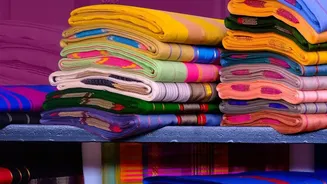
Long Garba evenings require outfits that are not just beautiful but also comfortable and breathable. When upcycling or choosing pieces to mix and match, prioritise natural fabrics like cotton, khadi, and modal silk. These materials are not only eco-friendly but also allow for easy movement and keep you cool during energetic dance sessions. Many artisans and local brands focus on these handloom textiles, so supporting them is a sustainable choice in itself. An outfit made from a comfortable, upcycled cotton saree will serve you far better on the dance floor than a heavy, synthetic one.
Accessorise to Maximise
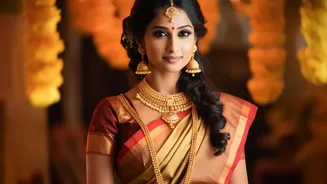
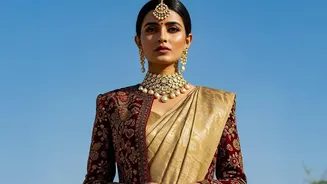
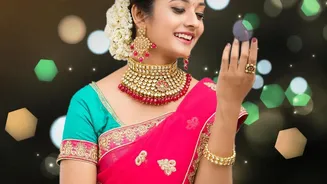
Smart accessorising is the secret to making a repeated or simple outfit feel special. Oxidised silver jewellery, including chunky necklaces and jhumkas, is a classic choice that pairs beautifully with the vibrant colours of Navratri. Instead of buying a new outfit for each of the nine nights, you can create distinct looks by simply changing your accessories. Try layering bangles, adding a statement maang tikka, or using a kamarbandh (waist chain) to cinch a dupatta. Even a necklace can be repurposed as a waist belt, as one resourceful fashion enthusiast demonstrated. This strategy saves money and reduces consumption, aligning perfectly with the spirit of mindful celebration.