



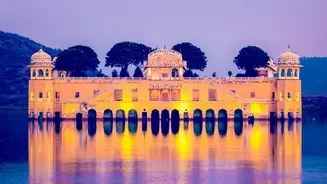
The New Reality: A Green and Crowded Desert
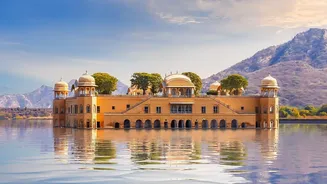
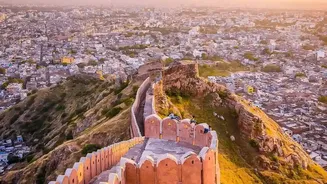
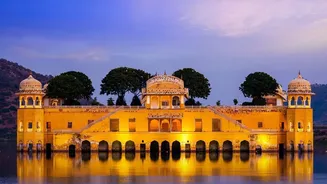
The long-held image of Rajasthan as a land of scorching sand dunes is being washed away by its increasingly popular monsoon season. After months of intense summer heat, the rains transform the state into a lush, green paradise, with overflowing lakes
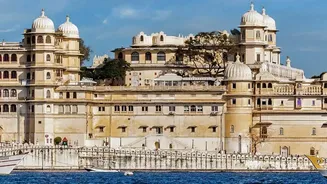
and vibrant landscapes from July to September. This green tourism phenomenon is no longer a niche discovery; it's a mainstream travel trend. Recent travel patterns show a significant shift, with tourists actively planning trips to coincide with the rains. The result is a surge in visitors that has effectively turned the traditional off-season into a new peak season, especially in popular hubs like Udaipur, Mount Abu, and the Aravalli hill regions.
Why the Sudden Rush? More Than Just Pretty Views
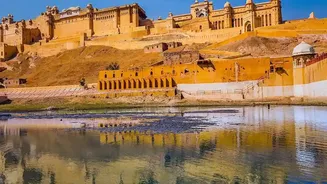
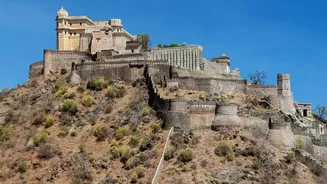
Several factors are fuelling this monsoon migration. Firstly, improved infrastructure, including new expressways and better air connectivity, has made weekend getaways and quick trips far more convenient for domestic travellers. Secondly, the visual appeal of a rain-soaked Rajasthan is a powerful magnet, amplified by social media. The image of mist-covered palaces, full lakes in Udaipur, and verdant hills in Kumbhalgarh is irresistible. Travel experts also point to a shift in traveller preferences towards slower, more immersive journeys focused on nature. People are seeking authentic experiences beyond the typical tourist circuit, and destinations like Bundi, Jawai, and Ranakpur are seeing remarkable growth as a result.
Rethinking Your Itinerary: Where to Go (and Where to Avoid)
With the surge, classic destinations now require more strategic planning. Udaipur remains a must-visit, but expect it to be busy. The key is to book well in advance and perhaps explore its charms on a weekday. Mount Abu, the state's only hill station, is another hotspot that gets particularly crowded. For a less crowded but equally magical experience, consider emerging monsoon favourites. Bundi, with its ancient stepwells and fairytale-like setting, offers a quieter alternative. The regions around Ranthambore and Sariska, while known for tigers, also offer stunning green landscapes and buffer-zone safaris during monsoon, as the core areas are often closed. For something truly offbeat, destinations like Banswara, known as the 'City of a Hundred Islands', and Rawatbhata, with its numerous waterfalls, come alive during the rains.
Booking & Budgets: The End of Off-Season Deals
The most significant change for travellers is economic. The concept of deep off-season discounts during monsoon is rapidly fading. While you might still find prices lower than the peak winter season, the surge in demand means hotel occupancy is high, and last-minute deals are scarce. It is now essential to book flights, trains, and especially accommodation several weeks, if not months, in advance, particularly for popular heritage hotels and resorts in high-demand areas. Travellers are also increasingly looking for experience-led stays, preferring resorts and homestays that offer immersive nature experiences over conventional luxury hotels, driving up demand for unique properties.
Practical Tips for Your Monsoon Adventure
A monsoon trip to Rajasthan requires some specific preparation. Pack light, quick-drying clothes, a reliable raincoat, and an umbrella. Non-slip waterproof footwear is non-negotiable, as marble palace floors and old stone pathways can become treacherous when wet. Always carry mosquito repellent. Be prepared for travel disruptions; heavy downpours can cause localized flooding and road closures, so it's wise to build some flexibility into your itinerary. While wildlife sanctuaries may have partial closures, the buffer zones often remain open and provide excellent opportunities for bird watching and spotting other wildlife enjoying the cooler weather. Finally, embrace the local monsoon culture, from enjoying hot masala chai and pakoras to witnessing festivals like Teej, which celebrate the arrival of the rains with vibrant flair.