






Breaking the All-or-Nothing Mindset
Many of us fall into the 'all-or-nothing' trap with exercise, believing that if we can't manage a 45-minute gym session, there's no point in moving at all. This mindset, however, overlooks a growing body of scientific evidence championing the power of short,
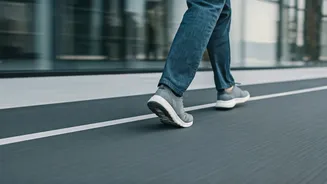
consistent movement. The concept, often called 'exercise snacking,' involves breaking up long periods of sitting with brief bursts of activity. These mini-walks are not just a poor substitute for a longer workout; they are an effective health intervention in their own right, especially for those with packed schedules. The key shift is from viewing exercise as a single, time-consuming event to seeing it as a series of small, manageable actions that accumulate throughout the day.
The Science of a Short Stroll
You might wonder what a mere five minutes can accomplish. The answer is, quite a lot. Research shows that even short walks can have immediate and noticeable benefits. One of the most significant impacts is on your metabolism and blood sugar regulation. A study from Columbia University found that a five-minute light walk every half hour can reduce blood sugar spikes after a meal by nearly 60%. Beyond metabolism, these brief walks boost mood, counter fatigue, and can even reduce food cravings. They also enhance cognitive function, with studies showing that short walks can improve attention, memory, and creativity, helping you return to your desk feeling refreshed and more focused.
Counteracting the Dangers of Sitting
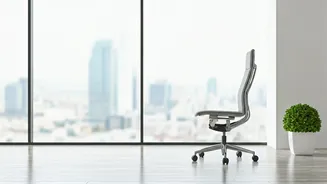
Sedentary behaviour has been called the new smoking, with prolonged sitting linked to a higher risk of heart disease, type 2 diabetes, and other chronic conditions. Many office workers spend up to three-quarters of their waking hours sitting. Short, frequent walks are a powerful tool to directly combat these negative effects. Getting up and moving helps to improve blood flow, which is often reduced during long periods of sitting. A recent study highlighted in the British Journal of Sports Medicine identified a five-minute walk every hour as a practical and highly effective way to mitigate the health risks associated with a desk job without harming productivity. These 'movement snacks' get your muscles working and your circulation moving, preventing the sluggishness that can set in after hours in a chair.
How to Fit Five Minutes In
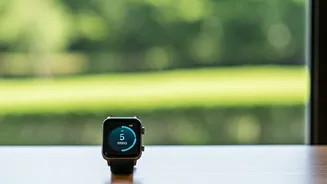
The beauty of the five-minute walk is its flexibility. The goal is to find small pockets of time in your existing routine. You can try a 'walking meeting' by taking a call while pacing around your office or home. Instead of sending an email to a colleague in the same building, walk to their desk. When you go to refill your water bottle or get a coffee, take the long route. A walk after lunch can aid digestion and help you avoid the afternoon slump. Set a recurring alarm on your phone or calendar for once an hour to remind you to get up and move. The key is to make it a non-negotiable part of your day, just like checking your email. Soon, these small breaks will become second nature.
Building a Lasting Habit
While these brief strolls are valuable on their own, they also serve as a gateway to a more active lifestyle. Starting small makes the idea of exercise less daunting and helps build consistency. Once you start feeling the benefits of increased energy and a better mood, you might feel more motivated to incorporate longer walks or other forms of exercise into your week. Think of each five-minute walk as a small victory that reinforces a positive habit. Researchers and health experts agree that when it comes to physical activity, consistency often matters more than duration. By proving to yourself that you can fit five minutes into your day, you lay the foundation for sustainable, long-term health improvements.