





September's Fading Monsoon
September is a transitional month for India's weather, marking the gradual withdrawal of the southwest monsoon. While this brings relief from the heaviest downpours of July and August, the process is not uniform across the country. The India Meteorological
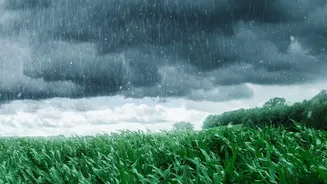
Department (IMD) has indicated that the monsoon withdrawal may be on time, starting around mid-September from the northwest. However, an active spell of rain is impacting several regions in the first week of the month. For travellers, this means that while the promise of crisp, post-monsoon air is near, the risk of rain, landslides, and travel disruptions remains, particularly in early September. The hills are gloriously green, waterfalls are full, and temperatures are pleasant, but caution is paramount.
The Himalayas: North India's Verdict
For destinations in Himachal Pradesh and Uttarakhand, September requires careful planning. The first half of the month can still experience significant rainfall, increasing the risk of landslides on vulnerable slopes saturated from previous months. As of early September, heavy rain alerts are in place, with dozens of roads blocked in Himachal and very heavy rainfall forecast for Uttarakhand. Experts advise that mid-to-late September is often a safer and more stable window for travel, as the rain eases and skies clear. If travelling to places like Shimla, Manali, or Mussoorie, it is critical to drive only during daylight, avoid streams, and check local traffic advisories daily, as road conditions can change rapidly. Temperatures remain mild, typically ranging from 15°C to 25°C, perfect for sightseeing when the weather holds.
The Ghats: South India's Green Carpet
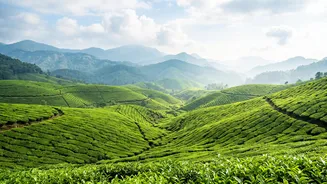
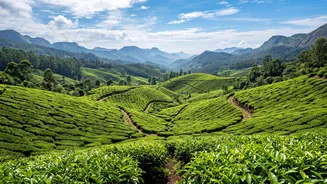
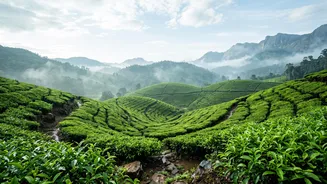
In the Western Ghats, hill stations like Munnar, Ooty, and Coorg are draped in spectacular greenery thanks to the retreating monsoon. The weather in September is generally pleasant, with temperatures staying in a comfortable 15°C to 25°C range. While the south still receives rainfall, it is often less disruptive than in the Himalayas. Road connectivity to major hubs like Munnar is generally considered safe, with authorities often working to maintain routes. However, foggy conditions can reduce visibility, and some minor roads might still be affected. This season is ideal for those who want to see waterfalls at their peak and enjoy the lush tea and coffee plantations without the peak season crowds. It is still wise to check weather alerts from the Kerala State Disaster Management Authority or other local bodies before travelling.
Eastern Hills: Mist and Majesty
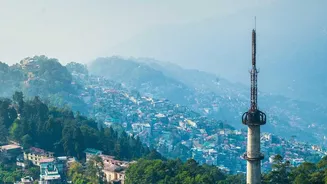
In the East, Darjeeling and Sikkim also see the monsoon's influence wane through September. The month begins with a chance of heavy rain and landslides, with advisories often suggesting caution for travel into the hill districts. However, as the month progresses, the weather typically improves dramatically. Post-monsoon clarity can offer breathtaking views of the Kanchenjunga range against crisp blue skies. Temperatures are pleasant, hovering between 15°C and 24°C. The landscape is exceptionally green and fresh after months of rain. Travellers looking for the best experience are often advised to aim for late September, which provides a better balance of stable weather and stunning scenery, though it also marks the beginning of the busier tourist season.
Your Pre-Travel Safety Checklist
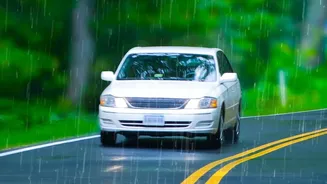
No matter your destination, a September hill holiday demands preparation. First, monitor the IMD and local administration advisories for your specific destination daily before and during your trip. Second, always verify road status. Local police and traffic department social media handles are often the best source for real-time updates on closures. Third, build buffer days into your itinerary. A landslide or road closure that lasts a day won't derail your entire trip if you have planned for flexibility. Pack for a range of conditions: include rain gear, warm layers for cool evenings, and sturdy, waterproof footwear. Finally, if driving, ensure your vehicle is in excellent condition for hill travel and avoid driving at night, when visibility is poor and risks are higher.