

From 'Baked Earth' to Urban Chic
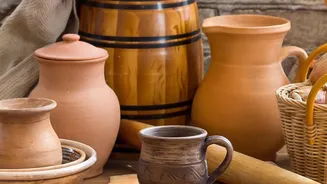
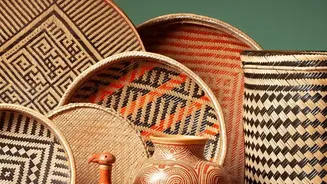
Terracotta, which literally means ‘baked earth,’ has been a cornerstone of Indian craftsmanship for millennia, from ancient Indus Valley artifacts to the iconic temple horses of Tamil Nadu. Today, this humble material is experiencing a renaissance in the heart
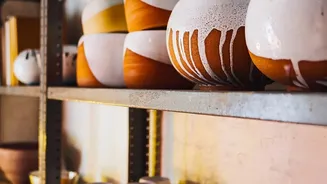
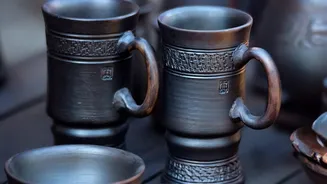
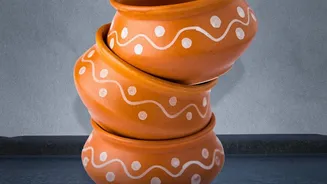
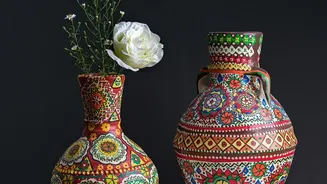
of India's bustling metros. No longer confined to rural kitchens or traditional crafts fairs, handcrafted terracotta is being reimagined for contemporary urban living. Driven by a growing desire for authenticity and sustainability, city dwellers are turning away from mass-produced decor and embracing pieces with a story. This trend sees artisans creating everything from minimalist planters and sculptural lamps to unique wall art, offering a warm, earthy counterpoint to modern architectural lines.
The Sustainable Choice for Conscious Living
A significant part of terracotta's renewed appeal lies in its environmental credentials. Made from natural clay, it is biodegradable, non-toxic, and free of the harmful chemicals often found in synthetic materials. The production process itself has a smaller carbon footprint than industrial ceramics, as it is often fired at lower temperatures. The concept of 'upcycling' adds another layer of sustainability. This isn't just about reusing old pots; it's a creative process of transformation. Artisans are giving new life to pieces that might have been discarded due to minor imperfections, turning cracked or warped pottery into unique mosaic art, character-filled planters, or decorative garden features. This approach not only reduces waste but also celebrates imperfection as a mark of authenticity.
Beauty in Imperfection: The Art of Upcycling
Upcycling takes many forms in the world of modern terracotta. One of the most beautiful examples is a practice inspired by Kintsugi, the Japanese art of repairing broken pottery with gold. Instead of hiding the cracks, this philosophy highlights them, treating the repair as part of the object's unique history. Indian artisans are adopting similar principles, using adhesives and sometimes metallic finishes to mend broken pieces, creating stunning, one-of-a-kind decorative items that tell a story of resilience and beauty. On a simpler level, even a pot with a chip or a crack is repurposed, perhaps as a tiered succulent garden or a holder for kitchen utensils, ensuring nothing goes to waste.
Bringing Nature Indoors in the Metropolis
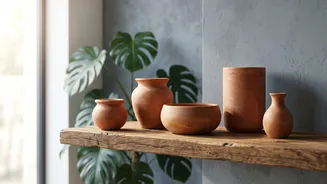
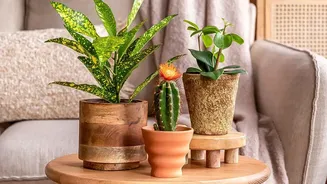
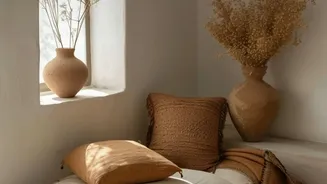
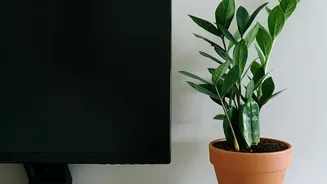
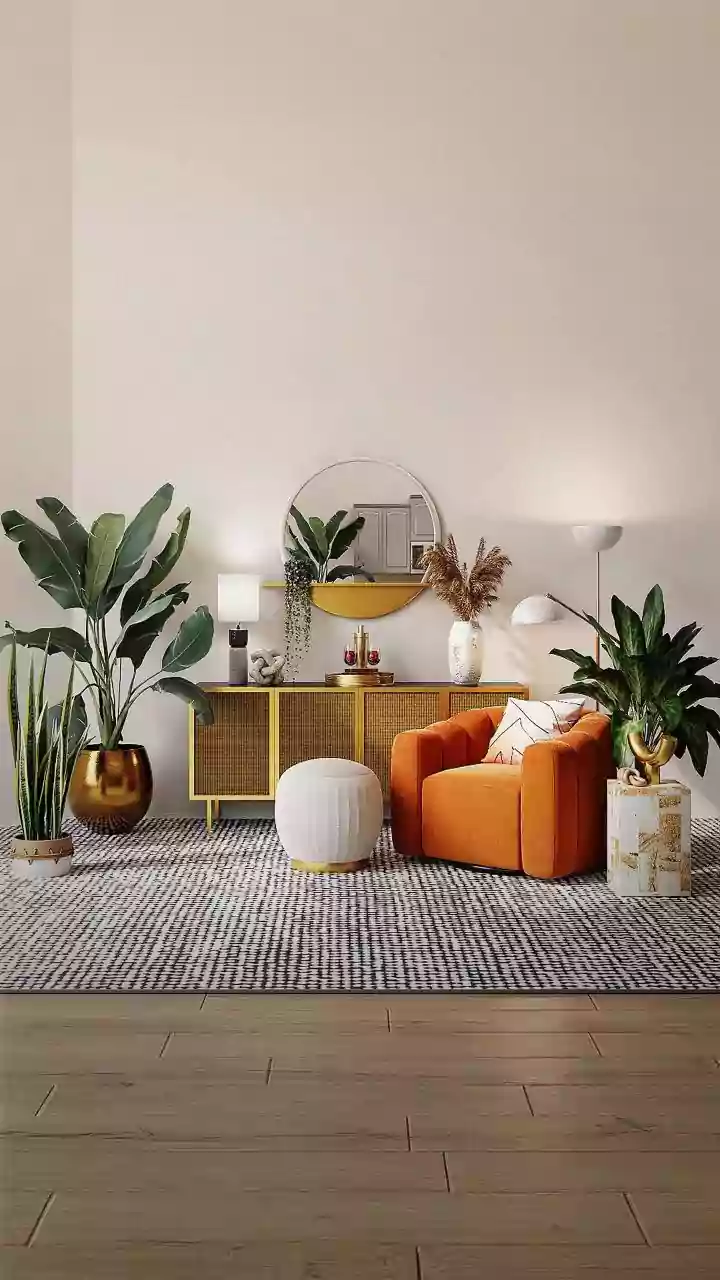
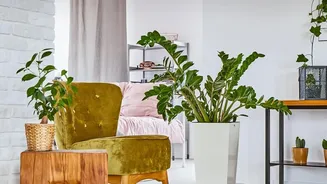
For residents of compact city apartments, terracotta offers a vital connection to the natural world. Its porous nature makes it ideal for indoor plants, as it allows air and moisture to circulate, promoting healthy root growth and preventing soil disease. A collection of terracotta planters by a window can transform a small balcony or a corner of a living room into a lush green sanctuary. Beyond planters, the material's rustic texture and warm, reddish-brown hues introduce an organic element that softens minimalist interiors and adds character to any space. From vases and serving bowls to candle holders, these handcrafted items bring a sense of calm and groundedness to the fast-paced urban environment.
Empowering Artisans and Preserving Heritage
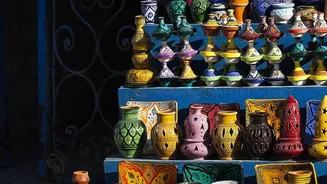
This trend is doing more than just beautifying homes; it is helping to sustain ancient craft traditions and empower local artisans. In regions like West Bengal, Rajasthan, and Tamil Nadu, potters are finding new markets for their skills. The rise of e-commerce platforms has been instrumental, connecting artisan communities directly with urban consumers across India and the globe. By choosing to buy handcrafted terracotta, consumers are not just acquiring a beautiful object; they are supporting the livelihoods of skilled craftspeople—over half of whom are women in many clusters—and ensuring that these invaluable cultural skills are passed down to future generations.