




The Sun's Yearly Dance
The most significant factor affecting daylight is the season. In India, this is a tale of two suns. During the hot summer months, the sun is high in the sky. This means south-facing windows with a modest overhang or 'chajja' can be effectively shaded
from direct, harsh sunlight. In winter, the sun's path is lower, allowing that same south-facing window to capture welcome warmth and light. North-facing windows offer the most consistent, gentle, and indirect light throughout the day and year, making them ideal for studios or workspaces. The monsoon season introduces another variable: overcast skies provide a diffused, even light, but at a lower intensity than the bright, clear post-monsoon days.
Your Home's Compass: The Power of Orientation
The direction your home and its windows face is a critical, permanent feature. In India, east and north-facing orientations are highly prized. East-facing windows capture the gentle morning sun, which is considered auspicious and helps to start the day with positive energy. North-facing rooms receive steady, glare-free light all day. West-facing areas get the intense afternoon and evening sun, which can lead to significant heat gain, especially in summer. South-facing windows can be excellent for capturing winter sun but require well-designed shading to block the high summer sun. Many of these principles align with traditional Vastu Shastra, which recommends east or north-facing entrances and placing large windows on northern walls to maximize positive energy and light without excessive heat.
Working With What You Have
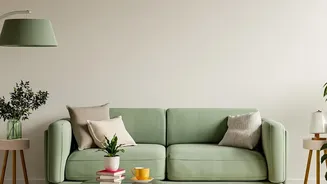
Even if your home's orientation isn't ideal, you can make smart choices to manage the light you get. For a heat-prone west-facing room, use thick curtains, blinds, or even external screens like 'jaalis' to filter the harsh afternoon sun. For a dark, north-facing room, use light-coloured paints on the walls and ceiling. This is one of the most effective and cheapest ways to boost brightness, as lighter surfaces reflect more light back into the space. Placing mirrors strategically can also create an illusion of more light and space. Arranging furniture so it doesn't block windows is a simple but effective way to ensure an unobstructed flow of light.
When Construction Casts a Shadow
In India's rapidly growing cities, it's a common story: a new high-rise building comes up next door, and suddenly your sun-drenched balcony is in perpetual shade. Losing natural light to new construction can be frustrating and can impact your quality of life. This new reality might mean rooms that were once bright become gloomy, and your reliance on artificial lighting increases. While legal recourse can be complex and varies, the first step is often to understand the approved building plans, which are typically public records available from your local municipal building department. This helps you understand the scale of the project and its potential long-term impact on your light.
Reclaiming Your Light from the Concrete Jungle
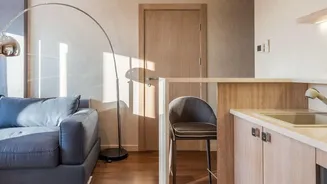
While you can't stop a permitted building from going up, you can take steps to mitigate the loss of light. This is the time to double down on interior design tricks. Use light colours liberally on walls, ceilings, and even large furniture pieces. Introduce reflective surfaces like glossy tiles, metallic decor, and, of course, mirrors. Improving your artificial lighting becomes key; instead of one harsh overhead light, use a layered approach with task lighting (like reading lamps) and ambient lighting (like floor lamps) to create a bright and welcoming atmosphere. For homeowners, more structural solutions like adding a skylight can bring daylight into the deepest parts of a home, bypassing the shadows cast by adjacent buildings.