



Witness the Spectacle of Pulikali
Forget typical sightseeing and head to Thrissur, Kerala's cultural capital, for Pulikali, the 'Tiger Dance'. On the fourth day of Onam, hundreds of performers, painted head-to-toe in bold yellow and black stripes to resemble tigers and leopards, take
over the streets. They dance energetically to the powerful rhythm of traditional percussion instruments like the chenda and thakil, recreating scenes of a tiger hunt. This 200-year-old folk art form is a raw, vibrant, and unforgettable spectacle that captures the wild spirit of the festival far from the serene backwaters. The entire city converges at Swaraj Ground to witness this procession, making it a true community celebration.
Join the Festivities at Thrikkakkara Temple
To experience the mythological heart of Onam, visit the Thrikkakkara Vamanamoorthy Temple in Kochi. Believed to be the capital of the legendary King Mahabali, this ancient temple is the epicentre of Onam celebrations. The 10-day festival here kicks off with a grand flag-hoisting ceremony and features a packed schedule of cultural performances, including Kathakali, Chakyar Koothu, and Panchavadyam. Devotees are served a grand Onam Sadya (feast) on the final two days. Visiting Thrikkakkara offers a chance to see the rituals and traditions that form the very foundation of the Onam story, providing a deeply spiritual context to the statewide festivities.
Experience the Rituals of the Aranmula Boat Race
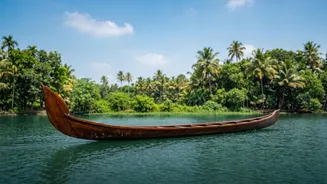
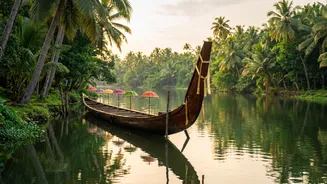
While many have heard of Kerala’s snake boat races, the Aranmula Uthattathi Vallamkali is more a ritual than a race. Held on the Pampa River, this event is tied to the Aranmula Parthasarathy Temple and is a mesmerising display of tradition. The massive 'Palliyodam' boats, which are considered divine vessels, move in unison as oarsmen chant ancient songs (Vanchipattu). The focus here is less on competition and more on graceful, synchronised movement. A key part of the tradition is the Valla Sadhya, a massive feast offered to the oarsmen, sometimes featuring over 60 dishes. It's a powerful cultural immersion that connects you to the region's history and devotion.
Share an Authentic Onam Sadya with a Local Family
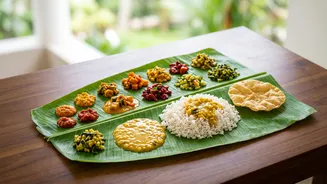
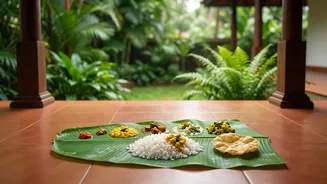
A restaurant Sadya is delicious, but sharing this feast in a local home is an experience of another level. Onam is a time for togetherness, and many families still practice the tradition of cooking the elaborate vegetarian meal together. The Onam Sadya is a banquet of 25 or more dishes served on a banana leaf, where each item has its specific place and purpose. Engaging with a local family, perhaps through a homestay or a cultural exchange platform, allows you to witness the preparations, understand the significance of each dish like 'avial' and 'parippu', and hear the stories behind the 'Kaanam Vittum Onam Unnanam' adage—'One must have the Onam lunch even if they have to sell their property'. It’s the ultimate taste of Keralan hospitality.
Discover Lesser-Known Folk Arts
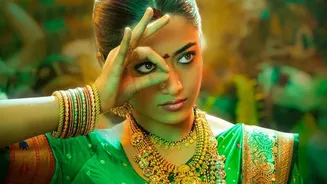
Step off the beaten path and seek out the diverse folk performances that pop up in villages during Onam. In parts of Thrissur and Palakkad, you might encounter Kummattikali, where masked dancers clad in grass and leaves go from house to house. In North Kerala, keep an eye out for Onapottan, a silent folk character representing King Mahabali who blesses homes with a palm-leaf umbrella in hand. Another beautiful tradition is Thumbi Thullal, a graceful dance performed by women in a circle. These art forms are intimate, hyper-local, and offer a glimpse into the rich, varied cultural fabric of Kerala that often remains hidden from the main tourist trails.