



The Rise of the Astrotourist
Astro-tourism is rapidly shifting from a niche hobby to a mainstream travel trend in India, with city dwellers actively seeking out remote locations to witness the cosmos in its full glory. The appeal is simple: swapping the perpetual grey glow of urban
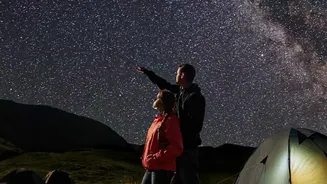
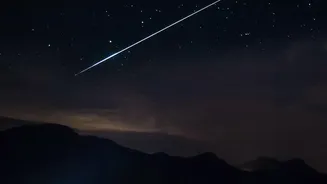
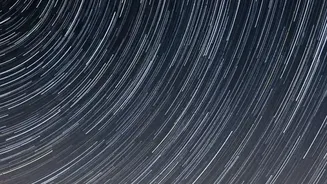
skylines for the breathtaking clarity of a star-filled canvas. Himachal Pradesh, with its high-altitude deserts, clean air, and minimal light pollution, has emerged as a premier destination for this celestial pilgrimage. The state's unique geography offers a front-row seat to the Milky Way, meteor showers, and constellations that are invisible from metropolitan areas. This trend isn't just about pretty views; it's a search for connection, a chance to feel insignificant under the vastness of the universe and an opportunity to engage with nature on a profound level. This boom is also being driven by local initiatives and government support aimed at developing sustainable, community-led tourism.
Spiti Valley: India's Dark Sky Paradise
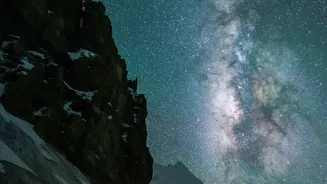
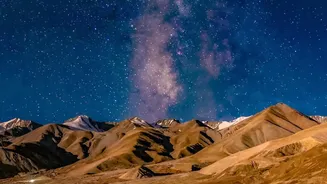
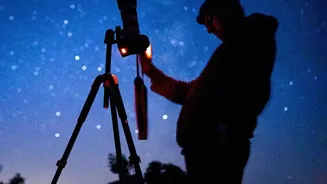
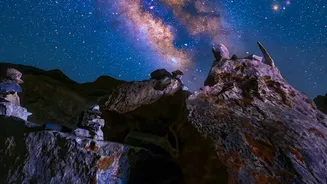
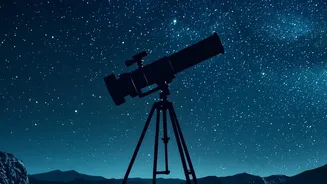
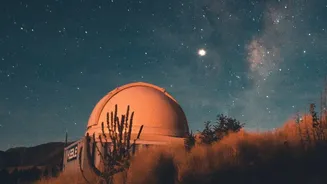
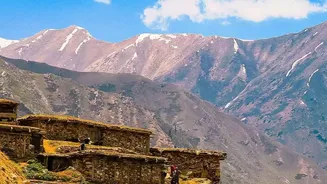
When it comes to stargazing in India, Spiti Valley is often hailed as the crown jewel. This high-altitude cold desert, with villages situated above 12,000 feet, offers some of the darkest and clearest skies on the continent. The dry climate and minimal population result in near-perfect viewing conditions on over 250 nights a year. Villages like Kaza, Kibber, Langza, and Hikkim have become legendary among amateur astronomers and astrophotographers. Here, the Milky Way is not just visible; on moonless nights, it appears as a brilliant, textured river of light. In a significant boost to the region, a community-run stargazing facility was recently launched in Kaza, with local youths trained to guide visitors using professional telescopes, turning the cosmos into a source of livelihood.
Accessible Skies: Jibhi and Tirthan Valley
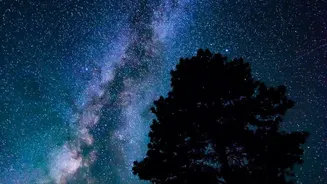
While Spiti offers an unparalleled experience, its remote location and harsh conditions can be challenging for many travellers. For those seeking a more accessible yet equally mesmerising alternative, the valleys of Jibhi and Tirthan are excellent choices. Located at a comfortable altitude, these destinations offer a perfect balance of dark skies, low light pollution, and easier accessibility, often just an overnight journey from major cities like Delhi. The clear mountain air, free from urban haze, makes it possible to see the Milky Way with the naked eye on clear nights. These areas are ideal for weekend trips and beginners in stargazing, combining the celestial experience with riverside camping and bonfire nights.
Other Emerging Star Hubs
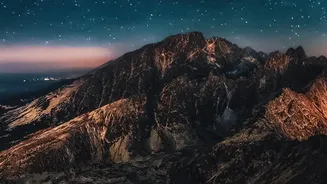
Beyond the well-trodden paths of Spiti, other parts of Himachal are also gaining recognition for their pristine night skies. Narkanda, a hill town near Shimla, provides excellent dark skies without the extreme altitude of the trans-Himalayan regions. Treks to high-altitude lakes like Chandratal, known as the 'Moon Lake', and Prashar Lake offer magical camping experiences where the stars are reflected in the still waters below. Chandratal, at an altitude of 14,100 feet, is a paradise for campers and photographers, creating a surreal, dream-like atmosphere at night. Similarly, the trek to Triund near McLeodganj is popular for its panoramic views of the Dhauladhar range and the clear, unobstructed sky at night. Even backpacker hubs like Kasol and Tosh in the Parvati Valley offer incredible stargazing opportunities on clear nights.
Planning Your Celestial Escape
The best time for stargazing in Himachal is generally from April to October, with the post-monsoon months of September and October offering exceptionally clear skies. Aspiring astrotourists should plan their visit around the new moon phase to avoid moonlight washing out the fainter stars. Packing warm clothing is essential, as temperatures in these high-altitude regions can plummet after sunset, even during summer. For those visiting places like Spiti, acclimatisation to the high altitude is crucial to avoid mountain sickness. Many local homestays and tour operators now offer guided stargazing sessions, providing telescopes and expert knowledge about the constellations visible from their location, ensuring a safe and enriching experience for all.