





Decoding Airport Check-In Times
The golden rule for domestic flights in India is to arrive at the airport two hours before departure. While this sounds generous, it provides a safe buffer for traffic, entry queues, and security checks. The most critical deadline, however, is the airline
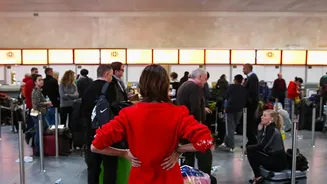
counter's closing time. For most domestic flights, check-in and baggage drop counters close 60 minutes before the scheduled departure. Miss this, and you may not be allowed to board, even if the flight is still at the gate. Web check-in, which typically opens 48 hours before the flight and closes 60-90 minutes prior, is your best friend. A mobile boarding pass allows you to head straight to security if you only have cabin baggage, saving precious time.
The Cardinal Rule of Identity
For any domestic air travel in India, carrying an original, valid, government-issued photo identity document is non-negotiable. The name on your ID must exactly match the name on your flight ticket, as discrepancies can lead to denial of boarding. This verification happens at multiple points: at the terminal entrance, at the check-in or bag-drop counter, during the security check, and finally, at the boarding gate. While digital versions of documents on platforms like DigiLocker and mAadhaar are officially accepted, carrying the physical original is always the safest bet to avoid any on-the-ground confusion or technical glitches.
Accepted IDs for Indian Flyers
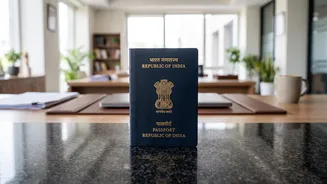
The Bureau of Civil Aviation Security (BCAS) approves a standard list of documents. The most widely and reliably accepted forms of ID are the Aadhaar Card, Indian Passport, Voter ID Card, and Driving Licence. Beyond these, a PAN card, a photo ID card issued by a government or public sector undertaking, or a nationalised bank passbook with an attested photograph are also generally valid. It is always prudent to carry one of the 'big four' (Aadhaar, Passport, Voter ID, Driving Licence) to ensure a smooth process at any airport across the country.
Rules for Foreign Nationals
For foreign nationals undertaking domestic travel within India, the rules are simple and strict: a valid passport is the only acceptable form of photo identification. In addition to the passport, you may be required to show your valid Indian visa. Hotels are also legally required to collect these details for 'Form C' submissions to the Bureau of Immigration, so keep these documents handy upon arrival at your accommodation as well.
Beyond the Airport: Trains and Hotels
The requirement for a valid ID extends to other forms of travel and accommodation. For reserved train journeys, at least one passenger on the ticket must carry an original photo ID, such as an Aadhaar card, Voter ID, PAN card, or Passport. The Ticket Travelling Examiner (TTE) will ask to see it to verify against the passenger list. Similarly, hotels across India require every adult guest to present a valid government-issued photo ID upon check-in. This is a mandatory requirement for security and record-keeping purposes.
The Future is Seamless: DigiYatra
A game-changer for domestic air travel in India is the DigiYatra initiative. This optional, biometric-based system uses facial recognition to allow for a paperless and seamless journey through the airport. After a one-time registration on the DigiYatra app using your Aadhaar details, your face becomes your boarding pass. This allows you to breeze through dedicated e-gates at terminal entry, security, and boarding in seconds. As of 2026, it is active at numerous airports for domestic flights and is a glimpse into a more efficient travel future, though it is still wise to carry your physical ID as a backup.