







A Legacy of Two Halves
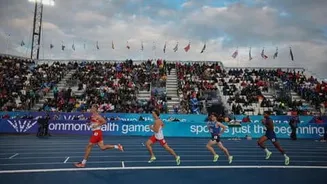
To understand the future, one must look at the past. The 2010 Commonwealth Games in Delhi left a dual legacy. On one hand, it was a landmark event for athletes. Competing on home soil, the Indian contingent delivered its best-ever performance, finishing
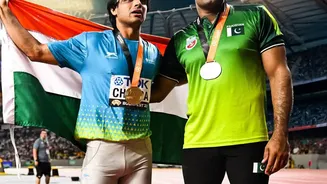
second in the medal tally for the first time and winning a historic 38 gold medals.. This success provided a massive boost to non-cricket sports, bringing athletes into the national spotlight and inspiring a new generation. On the other hand, the lead-up to the Games was plagued by allegations of corruption, construction delays, and mismanagement that tarnished the country's image.. This mixed history creates both a blueprint for athletic success and a cautionary tale for administrative execution.
The Infrastructure Question
A major argument for hosting mega-events is the development of world-class infrastructure.. Delhi 2010 resulted in new stadiums, an upgraded airport, and improved city transport.. However, the long-term utility of these expensive venues is often debated. Critics argue that such funds could be better spent on grassroots facilities across the country, rather than on massive stadiums that may lie underutilised.. For the 2030 Games in Ahmedabad, the city plans to leverage its already upgraded infrastructure, including the Narendra Modi Stadium.. The key will be to ensure that any new construction provides a lasting benefit to the public and the sporting community, avoiding the 'white elephant' trap that has befallen other host cities.
The Athlete's Perspective
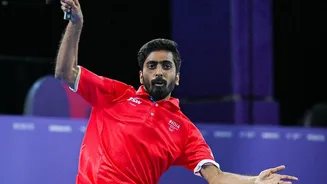
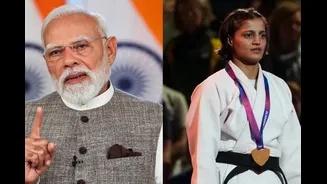
For sportspersons, hosting a major event is an unparalleled opportunity. It brings increased funding, media attention, and state-of-the-art training facilities. The psychological impact of a home crowd can be a powerful force, often referred to as the 'home-field advantage'. The pressure to perform is immense, but so is the pride. A successful Games can lead to a surge in participation in various sports and can change the career trajectory of hundreds of athletes, offering them financial stability and national recognition that is otherwise hard to come by in sports that lack mainstream commercial appeal.
The Price of Prestige
Hosting the Commonwealth Games is not cheap. The cost for Victoria to host the 2026 Games was projected to exceed $6 billion, leading them to withdraw.. While studies show that host cities can see an economic boost of over £1 billion from tourism, media rights, and infrastructure development, these benefits are not guaranteed and depend heavily on planning and execution.. For India, the cost of the 2010 Games far exceeded initial estimates.. The decision to host again is a significant financial gamble. Proponents argue it's a worthwhile investment in national branding and soft power, showcasing an ambitious, modern India to the world. Opponents question whether it's the most prudent use of public funds that could be allocated to other pressing national priorities.
Is India Ready for Redemption?
The 2030 Games offer a chance at redemption. India has another opportunity to prove it can host a major global event efficiently and transparently, shedding the negative perceptions from 2010. Administrative bodies like the Indian Olympic Association (IOA) have formally approved the bid, signalling institutional readiness.. Success would not only cement India's place as a capable global sporting hub but could also serve as a stepping stone for a future Olympic bid.. However, it requires a concerted effort from government and sporting federations to ensure that the focus remains on athletic legacy and clean governance, learning the hard-won lessons from over a decade ago. The world will be watching to see if India can deliver on its promise.