








Start at the Top: Roof and Terrace
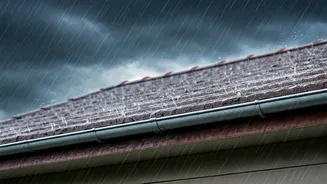
Your roof is the first line of defence against a downpour. Begin by conducting a thorough visual inspection for any missing or cracked tiles, shingles, or sheets. On flat concrete terraces, look for cracks in the surface or the waterproofing layer, often
visible as dark, web-like lines. Pay close attention to areas where pipes or antennas are installed, as these joints are common weak points. Cleaning the surface of debris like leaves and dirt is crucial, as this can trap water and accelerate damage. If you spot significant cracks or peeling waterproofing, it's wise to get it professionally repaired. Applying a fresh coat of a sealant or a waterproofing solution like Dr. Fixit or similar products can add an extra layer of protection that lasts the entire season.
Clear the Path: Drains and Gutters
This is one of the most critical and often neglected tasks. Clogged drains, gutters, and downspouts are the primary cause of water overflow, leading to seepage in walls and flooding on terraces or balconies. Before the rains set in, manually remove all leaves, twigs, plastic bags, and silt that have accumulated over the dry season. After clearing, pour a few buckets of water down the drains and gutters to ensure the water flows freely and there are no hidden blockages. A simple wire mesh cover placed over drain openings can prevent them from getting clogged again during the monsoon.
Seal the Gaps: Windows and Doors
Wind-driven rain can easily find its way through the smallest gaps around your windows and doors. Check the sealant or caulk around the frames. If it's cracked, peeling, or missing, scrape it off and apply a fresh bead of waterproof silicone sealant. For wooden windows and doors that have a tendency to swell and get jammed, consider applying a coat of varnish or paint to repel moisture. Also, check that the weep holes—small holes at the bottom of window tracks—are clear, as they are designed to let accumulated water escape.
Inspect the Walls: Interior and Exterior
Damp patches and peeling paint on interior walls are tell-tale signs of water seepage. The source is often cracks on the exterior walls. Take a walk around your home and look for any vertical or horizontal cracks in the plaster. Fill minor cracks with a waterproof crack filler. For larger cracks or widespread dampness, you might need to consult a professional for masonry repairs and a fresh coat of waterproof exterior paint. These paints not only beautify your home but also create a barrier against moisture.
Prioritise Safety: Electricals and Wiring
Water and electricity are a deadly combination. Before the monsoon, get an electrician to inspect your home's wiring. Pay special attention to any exterior wiring, outdoor sockets, and connections for air conditioners or water pumps. Ensure all outdoor electrical boxes are properly sealed and waterproof. Inside, check for any wiring that runs along walls prone to dampness. If you have any faulty switches or sockets that give off sparks, get them replaced immediately. Installing an Earth Leakage Circuit Breaker (ELCB) is a wise investment that can prevent major accidents by automatically cutting off the power supply in case of a current leakage.
Prepare for the Unexpected
Even with the best preparation, monsoons can bring power cuts and other emergencies. Prepare an emergency kit containing essentials like torches, batteries, a first-aid kit, candles, and a power bank for your mobile phone. It's also a good idea to have some dry snacks and bottled water stored away. If you have a basement, ensure the sump pump is working correctly. Protecting valuable documents and electronics by storing them in waterproof bags or on higher shelves is also a simple but effective precaution.