



Beyond the Button Mushroom
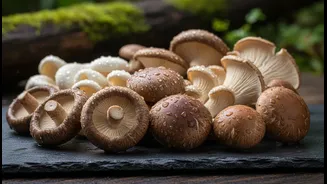
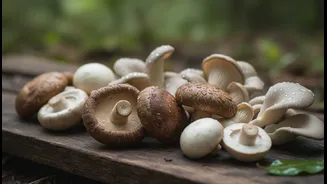
For years, the button mushroom has been the default choice in many Indian kitchens and restaurants. But this monsoon, a culinary shift is underway. Chefs and food enthusiasts are exploring a wider, more exciting world of fungi. Cultivated varieties like
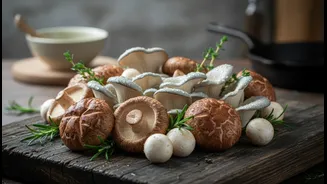
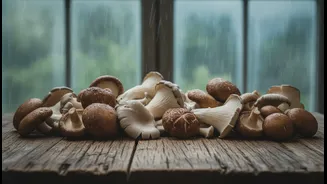
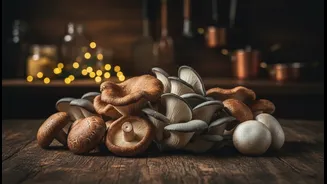
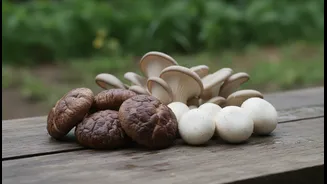
the meaty shiitake, delicate oyster, and robust portobello are becoming increasingly popular, offering a complexity of flavour and texture that the common button mushroom simply can't match. These mushrooms are finding their way into everything from rich, spicy curries to hearty soups and elegant appetisers, providing a more nuanced and satisfying dining experience. Restaurants are showcasing this diversity in creative ways, such as in comforting ramen bowls, flavourful hot pots, and even as the star in modern Indian fusion dishes like Wild Mushroom & Truffle Kulcha.
A Taste of the Wild
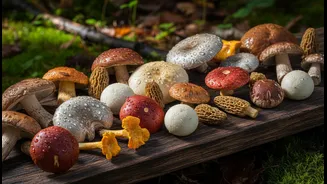
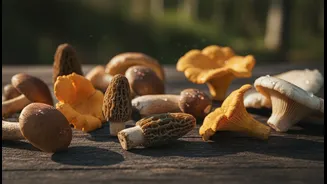
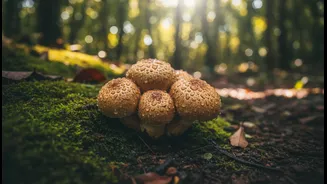
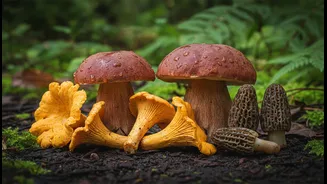
The monsoon is also the time when rare, wild mushrooms make their fleeting appearance, inspiring chefs and thrilling diners. In Goa and along the Konkan coast, the season is celebrated with ‘Olmi’ or ‘Almi’, a species of termite mushroom that cannot be cultivated. These foraged delicacies, sometimes called 'Goa's Truffles', have a unique nutty flavour and are traditionally used in dishes like mushroom xacuti. In Jharkhand, tribal communities harvest ‘Rugda’, a mushroom with a crunchy exterior and meaty taste that has earned it the nickname 'vegetarian mutton'. In the Himalayas, the prized ‘Gucchi’ or morel mushroom, with its distinctive honeycomb cap and smoky flavour, is foraged after the rains and used in luxurious dishes like Gucchi Pulao. These wild varieties connect modern menus to age-old foraging traditions, offering a taste that is both exotic and deeply rooted in Indian culinary heritage.
The Chef's New Canvas
This newfound appreciation for mushrooms has turned them into a versatile canvas for culinary creativity. Instead of being a mere add-in, mushrooms are now the star. Chefs are using their umami-rich properties to build deep, satisfying flavours. You'll find them in Jackfruit & Gucchi Pardha Biryani, in spicy Massaman Pulled Shroom Croissants, and in rich, creamy Italian-inspired risottos. Some chefs are even reinterpreting traditional Indian vegetarian staples, replacing classic ingredients in sambar and rasam with varieties like lion's mane and reishi to create a new kind of flavour profile. From Tandoori Mushroom Tikka grilled to smoky perfection to comforting Mushroom Masala, the mushroom is being celebrated for its ability to absorb spices and provide a hearty, satisfying bite.
A Monsoon Superfood
Beyond their delicious taste, mushrooms are a powerhouse of nutrition, making them an excellent choice for the monsoon season when immunity can be low. They are packed with antioxidants, vitamins, and minerals that help strengthen the immune system and protect against seasonal illnesses. Rich in Vitamin B and selenium, mushrooms can help boost energy levels and support overall wellness. They are also low in calories and high in fibre and protein, which aids in digestion and helps you feel full longer. While there's a common belief that one should be cautious with mushrooms in the monsoon due to the damp conditions they grow in, nutritionists advise that as long as they are sourced from reliable suppliers, washed properly, and cooked well, they are perfectly safe and highly beneficial to consume.
Bringing the Upgrade Home
You don't need to visit a fancy restaurant to enjoy this mushroom revolution. Many of the more exotic cultivated varieties are now available in specialty food stores and online. When shopping, look for mushrooms that are firm, dry, and free of blemishes. Avoid any that look slimy or have dark spots. To start your culinary exploration, try swapping button mushrooms for shiitakes in your next stir-fry to add a deeper, smokier flavour. Oyster mushrooms are excellent when pan-fried with garlic and herbs, developing delightfully crispy edges. For a simple but elegant meal, consider making a creamy mushroom soup using a mix of different types, or try a classic Mushroom Matar with a blend of shiitake and button mushrooms for a richer taste. Experimenting with these varieties is an easy way to elevate your home cooking this monsoon.