

The Science of a Soggy Salad
The primary reason to dry your salad greens is simple science: oil and water do not mix. Most salad dressings are vinaigrettes, which are emulsions of oil and a water-based liquid like vinegar or citrus juice. When your lettuce leaves are coated in a film
of water, they create a barrier. This barrier physically prevents the oil-based dressing from clinging to the surface of the leaves. Instead of coating your ingredients evenly, the dressing slides right off and pools at the bottom of the bowl. This leaves you with bland, wet greens on top and a puddle of wasted dressing below. No matter how delicious your vinaigrette is, it's rendered almost useless if it can't adhere to what you’re eating.
Flavour Dilution and Waste
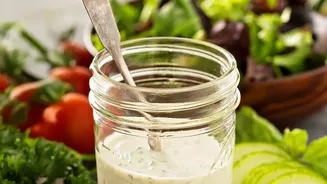
Beyond preventing adhesion, excess water actively works against the flavour of your salad. As the dressing slides off the wet leaves, the water left on the components dilutes what little dressing does manage to stick around. That punchy, herb-infused vinaigrette you spent time perfecting becomes a pale, watery version of itself. The flavours become muted and the overall experience is bland. Every drop of water is a drop that thins out your dressing, compromising the intended taste profile. This means you might be tempted to add even more dressing to compensate, leading to an overdressed yet still unsatisfying salad. By simply ensuring your components are dry, you ensure the dressing's flavour remains concentrated and every bite is as delicious as intended.
Why Texture Is Everything
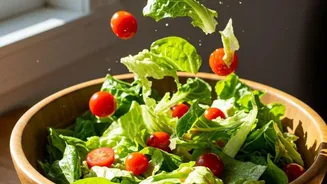
A great salad is as much about texture as it is about taste. We crave the crisp, refreshing crunch of fresh greens. Excess moisture is the enemy of this satisfying texture. Water-logged leaves are prone to wilting and becoming limp much faster, especially once dressing is introduced. The delicate structure of leafy greens can't stand up to the combined weight and moisture, causing them to collapse and turn soggy. This problem is exacerbated if you add salt too early, which draws even more water out of the vegetables through osmosis, creating a mushy consistency. A dry leaf, by contrast, maintains its structural integrity, providing that essential crispness that makes a salad feel fresh and vibrant. Protecting that crunch is paramount.
The Best Drying Techniques
The most effective tool for drying greens is a salad spinner. After washing your greens, a few pumps of the spinner use centrifugal force to wick away a remarkable amount of water. It's fast, efficient, and helps keep greens crisp. If you don't have a spinner, you have other excellent options. You can lay the washed leaves in a single layer on a clean kitchen towel or paper towels, place another towel on top, and gently pat them dry. For a more robust, hands-off method, you can place the greens in a clean, dry kitchen towel or a cotton pillowcase, gather the corners, and swing it around your head outdoors or in a space where you don't mind a little spray. The force will drive the water into the fabric, leaving you with perfectly dry greens ready for dressing.
Don't Forget the Other Ingredients
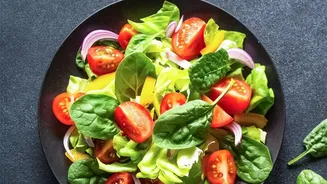
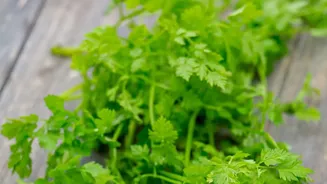
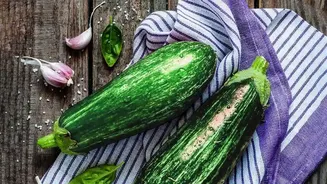
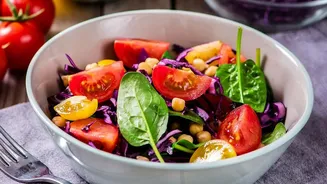
This rule doesn't just apply to lettuce. Any salad component that you wash needs to be dried thoroughly. Cherry tomatoes, cucumbers, bell peppers, radishes, and fresh herbs all hold onto water after being rinsed. Take a moment to pat these items dry with a paper towel before chopping and adding them to the bowl. Wet tomatoes and cucumbers, in particular, can release a surprising amount of liquid, contributing to the dreaded pool of water at the bottom of your salad bowl. Taking the extra 30 seconds to dry every component ensures that the entire salad remains crisp and the dressing can coat everything evenly, unifying all the flavours and textures as intended.