





The Golden Rule of Watering
The most common mistake in balcony gardening is not a lack of water, but a lack of consistency. Forget rigid schedules like 'water every two days'. Instead, get to know your plants' needs with the 'finger test'. Before watering, stick your finger about
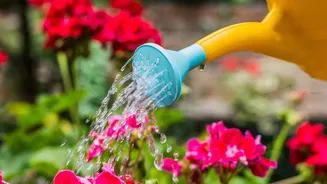
two inches into the soil. If it feels dry, it's time for a drink. If it's still moist, wait another day. This simple check prevents both overwatering, which can lead to root rot, and underwatering, which causes wilting. When you do water, do it thoroughly. Pour water slowly at the base of the plant until it flows freely from the drainage holes at the bottom of the pot. This deep-soaking method encourages strong roots to grow downward, making plants more resilient than frequent, shallow sips. The best time to water is early in the morning, which allows the plant to absorb moisture before the heat of the day and lets wet leaves dry, preventing fungal issues.
Understanding Your Balcony's Light
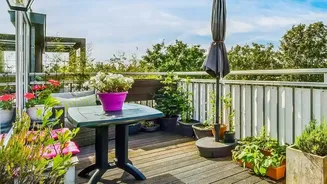
Light is the food that fuels your plants, but not all light is created equal. A balcony that feels 'bright' to you might not be providing enough direct sun for a flowering plant. The key is to become an observer. Spend a day noting exactly when and where direct sunlight hits your balcony. If an object casts a sharp, clear shadow, that spot is getting direct sun. Balconies often have different light zones; the railing might get hours of direct sun while the area near your apartment wall remains in shade. You can classify your space based on the hours of direct sun it receives: 6+ hours is full sun, 3-6 hours is partial sun or partial shade, and less than 3 hours is considered shade. The direction your balcony faces is a good starting clue. In India, a south-facing balcony generally gets the most sun, making it ideal for sun-lovers. East-facing balconies get gentle morning sun, while west-facing ones get intense afternoon heat. North-facing balconies tend to be the shadiest.
Match the Plant to the Place
Once you understand your light conditions, choosing the right plants becomes simple. For those sun-drenched, south-facing balconies that get over six hours of sun, choose heat-loving plants that will reward you with vibrant blooms. Bougainvillea, Portulaca, Petunias, and Marigolds are excellent choices that thrive in the Indian climate. For balconies with partial sun, especially those that get milder morning light, you have a wide variety of options. Many herbs, as well as flowering plants like Pansies and Begonias, will do well with a moderate amount of sun. For shadier, north-facing balconies, focus on foliage. Plants prized for their beautiful leaves, like Snake Plants, ZZ Plants, Peace Lilies, and Money Plants (Pothos), are perfectly happy without much direct sun and add a lush, green feel to even the dimmest corners.
Smarter Setups for Success
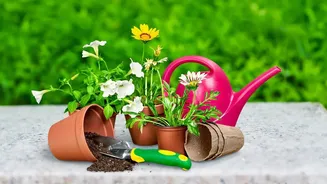
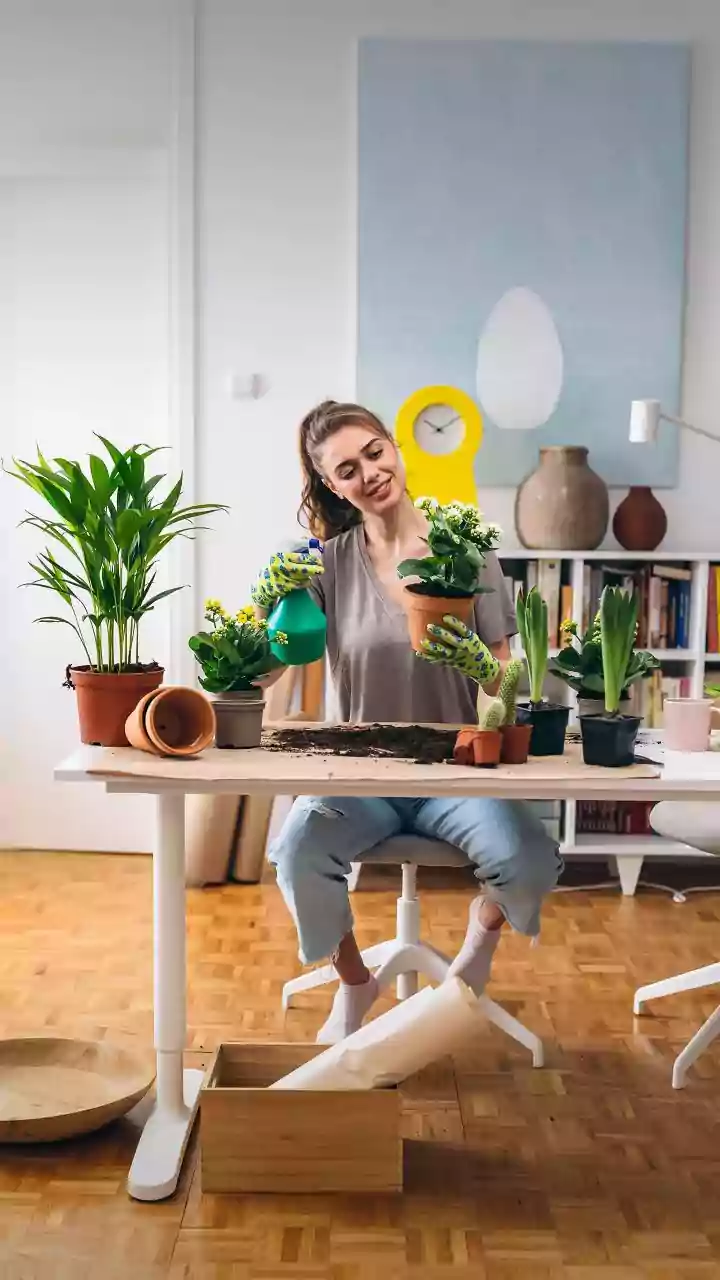
A few smart choices can make watering and care even easier. The type of pot you use matters. Terracotta or clay pots are porous and dry out quickly, meaning you'll need to water more often, especially in peak summer. Glazed ceramic or plastic pots retain moisture for longer. Whatever you choose, ensure every pot has drainage holes. Without them, water will pool at the bottom, starving the roots of oxygen and leading to rot. For very hot and windy balconies, grouping pots together can create a more humid microclimate, reducing water loss for all the plants. Adding a layer of mulch, like shredded leaves or bark, on top of the soil can also help retain moisture and keep roots cool.