





The Science of Green Lungs
The idea that plants can clean the air isn't just folklore; it has scientific roots. The famous 1989 NASA Clean Air Study found that common indoor plants could remove harmful volatile organic compounds (VOCs) like formaldehyde and benzene from sealed
environments. These chemicals are often released by furniture, paints, and cleaning supplies. Plants absorb these pollutants through tiny pores on their leaves and roots, a process known as phytoremediation. While a few plants won't magically purify a room filled with smog, they contribute to a healthier indoor ecosystem by processing these common toxins and releasing fresh oxygen.
Snake Plant: The Low-Maintenance Star
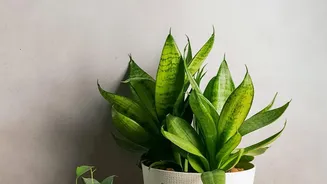
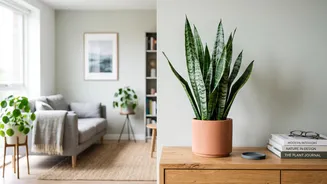
The Snake Plant, or Sansevieria, is almost indestructible, making it perfect for beginners. It thrives in low light and needs minimal watering. What makes it a superstar for bedrooms is its ability to convert carbon dioxide into oxygen at night, a process most plants perform during the day. The NASA study confirmed its effectiveness in filtering out formaldehyde, benzene, and trichloroethylene. Given its hardy nature and nighttime oxygen release, it’s an ideal companion for Delhi-NCR homes where every bit of fresh air counts.
Areca Palm: The Natural Humidifier
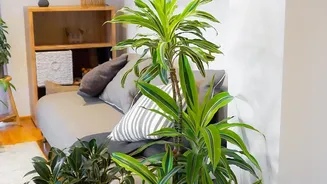
With its lush, feathery fronds, the Areca Palm is more than just a decorative piece. It's one of the top-rated plants for air purification. It excels at removing common indoor chemical toxins while also releasing moisture into the air. This can be particularly beneficial during dry winter months when smog is at its peak. Place it in a living room with access to some natural, indirect light to help it thrive and keep your indoor air feeling fresher.
Money Plant: The Auspicious Purifier
A staple in many Indian households, the Money Plant (Pothos) is revered for bringing good fortune, but its benefits are practical, too. It’s an incredibly resilient plant that grows vigorously even in low light and with infrequent watering. It’s a workhorse when it comes to filtering formaldehyde and benzene, two toxins commonly found in urban homes. Its cascading vines make it a beautiful and functional addition to any shelf or corner, quietly working to clean the air around you.
Peace Lily: The Elegant Toxin Fighter
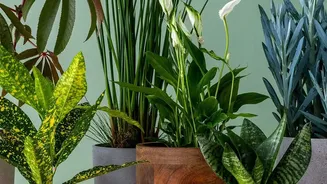
The Peace Lily is a rare gem that offers both beautiful white blooms and powerful air-cleaning abilities. It’s known for its capacity to remove ammonia, benzene, and formaldehyde. Ammonia is often found in cleaning products, so having a Peace Lily in your kitchen or bathroom can be especially helpful. It prefers shady spots and consistently moist soil, rewarding your care with cleaner air and elegant flowers.
Reality Check: How Many Plants Are Enough?
While the NASA study was groundbreaking, it was conducted in a sealed chamber. Our homes are not sealed labs; air constantly circulates and exchanges with the outdoors. More recent studies have cautioned that you would need an impractically large number of plants—sometimes hundreds—to match the air-cleaning rate of a modern ventilation system or simply opening a window. One study suggests at least two large plants per 100 square feet as a reasonable starting point for a noticeable contribution. The key is to see plants as part of a team, not a solo saviour.
Plants Are Helpers, Not Saviours
It's crucial to have realistic expectations. Houseplants cannot single-handedly combat the severe PM2.5 levels characteristic of Delhi's smog. They are excellent at filtering certain gaseous VOCs but are not effective against the fine particulate matter that poses the biggest health risk during smog episodes. Therefore, think of houseplants as a natural supplement to a comprehensive strategy. On days with poor air quality, your primary lines of defence should still be a high-quality HEPA air purifier, keeping windows and doors shut, and wearing a mask when you step outside.