







What Exactly is Ambali?
Ambali is a traditional fermented beverage or thin porridge with its roots deeply embedded in southern Indian states like Karnataka, Andhra Pradesh, and Telangana. For generations, it has been a nourishing staple, especially for farmers who relied on it for sustained
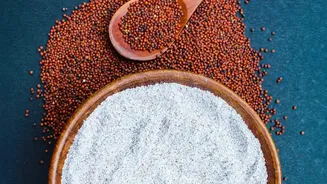
energy and hydration under the hot sun. The core ingredient is ragi, or finger millet, a highly nutritious grain. The process is simple: ragi flour is cooked with water to form a porridge, which is then left to ferment, often overnight. This natural fermentation process gives Ambali its characteristic mild, tangy flavour and a host of health benefits. It can be served savoury—the most common preparation—by mixing the fermented base with buttermilk, salt, and additions like finely chopped onions, curry leaves, and green chillies. A sweet version, mixed with jaggery, is also enjoyed.
The Probiotic Powerhouse for Gut Health
The secret to Ambali's modern revival lies in one word: fermentation. In an era where gut health is finally being recognised as central to overall well-being, naturally fermented foods are in the spotlight. The fermentation of Ambali cultivates beneficial probiotic bacteria, such as Lactobacillus, the same friendly microbes found in yogurt and other popular probiotic supplements. These live cultures help to balance the gut microbiome, which can improve digestion, reduce bloating, and support the immune system. Furthermore, the fermentation process breaks down so-called 'antinutrients' like phytic acid present in the grain. This is crucial because it makes the rich reserves of minerals in ragi, especially calcium and iron, more bioavailable, meaning your body can absorb them more effectively.
More Than Just a Gut Feeling
While its probiotic qualities are a major draw, Ambali's nutritional profile is impressive in its own right, thanks to its star ingredient. Ragi is a celebrated superfood and a nutritional giant among cereals. It is one of the best plant-based sources of calcium, vital for maintaining strong bones and preventing osteoporosis. It is also a fantastic source of iron, dietary fibre, and essential amino acids. Being naturally gluten-free, Ambali is an excellent choice for individuals with gluten intolerance or celiac disease. Its high fibre content and low glycemic index help in regulating blood sugar levels and can aid in weight management by promoting a feeling of fullness for a longer period. Traditionally known as a body coolant in Ayurveda, it’s also the perfect hydrating drink for hot weather.
From Rural Staple to Urban Elixir
So, why is this humble drink suddenly appearing in trendy city cafes and on the wellness radar? Ambali's comeback is perfectly timed with a major cultural shift. Health-conscious urbanites are increasingly looking past processed, globally-marketed health products and turning towards local, traditional, and authentic foods. This 'back-to-roots' movement celebrates indigenous ingredients and age-old wisdom. Ambali, India’s own time-tested answer to the global fermented drink trend, fits this desire perfectly. For years, such traditional foods were often dismissed as old-fashioned. Today, placing Ambali on a modern menu next to an avocado toast is a powerful statement that our own culinary heritage is just as valuable and 'cool' as any international trend.