

The Monsoon Effect: Why Food Spoils Faster
The combination of warmth and high humidity during the monsoon season dramatically accelerates food spoilage. Most bacteria that cause food poisoning thrive in temperatures between 25°C and 40°C with humidity above 70%. These are typical conditions in many
Indian kitchens from June to September. The moisture in the air allows bacteria, mould, and fungi to multiply rapidly on food surfaces. Food that might be safe for hours in drier weather can become risky in a much shorter time. This 'danger zone' for bacterial growth means that leaving cooked food out on the counter, even for a short period, is far more hazardous during the monsoon.
The Two-Hour Rule: Your First Line of Defence
The most critical guideline for handling leftovers is the 'two-hour rule'. Perishable cooked food, such as dal, curries, cooked rice, and meat dishes, should not be left at room temperature for more than two hours. During the particularly hot and humid days of the monsoon, it's safer to shorten this window to just one hour. The longer food sits in the temperature danger zone, the higher the risk of harmful bacteria multiplying to dangerous levels. It's crucial to refrigerate leftovers promptly. Don't wait for the food to cool down completely on the counter; instead, place it in the fridge as soon as it stops steaming to minimise its time in the danger zone.
Proper Storage: Cool, Covered, and Contained
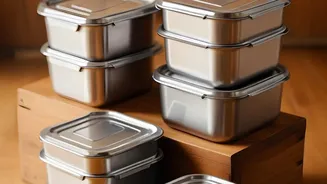
How you store leftovers is just as important as how quickly you store them. Always use clean, airtight containers to prevent moisture and airborne pathogens from contaminating the food. This also helps prevent cross-contamination between raw and cooked items in your refrigerator. It’s a good practice to store food in shallow containers, which helps it cool down more quickly and evenly. Ensure your refrigerator's temperature is set at or below 4°C to effectively slow down bacterial growth. Avoid overloading the fridge, as this can impede proper air circulation and create warmer spots where food might spoil. During the monsoon, it's also wise to clean your fridge regularly to prevent mould growth.
High-Risk Foods: What to Be Extra Cautious With
Some foods are more susceptible to spoilage, especially in humid conditions. Cooked rice is a primary concern, as it can contain spores of a bacteria called Bacillus cereus. These spores can survive cooking and multiply rapidly at room temperature, producing toxins that even reheating cannot destroy. Other high-risk foods include dairy products, meat, seafood, cut fruits, and chutneys. With these items, it is best to be extra vigilant. Cook them in smaller batches to avoid having leftovers if possible, and if you do have them, they should be your top priority for quick and correct storage.
Reheating Safely: More Than Just Warming Up
Reheating is not a magic fix for food that has been stored improperly. While proper reheating can kill active bacteria, it cannot eliminate toxins produced by some bacteria if the food was left out for too long. That's why safe storage is the most important step. When you do reheat leftovers, make sure to do it thoroughly. The food should be heated until it is steaming hot all the way through, ideally reaching an internal temperature of 75°C. Soups, dals, and curries should be brought to a rolling boil. This ensures that any bacteria that may have developed during storage are killed before you eat. Never reheat the same portion of leftovers more than once.
When in Doubt, Throw It Out
One of the most common mistakes is relying on smell or taste to judge if a leftover is safe to eat. Many types of foodborne bacteria do not produce any noticeable off-odours, strange tastes, or changes in appearance, even when they are present in harmful numbers. If you have any uncertainty about how long a dish has been sitting out or whether it was stored correctly, the safest course of action is to discard it. The risk of contracting a foodborne illness like gastroenteritis, typhoid, or other stomach infections, which see a sharp rise during the monsoon, is simply not worth it.