
Jaipur in winter is the city at its best. The scorching summer heat gives way to pleasant, sunny days perfect for exploring its royal heritage. This itinerary blends the grandeur of historic forts with the chaotic charm of its bustling markets.
Why Winter is Wonderful
The months
from November to February are undoubtedly the best time to experience Jaipur. The weather is ideal for sightseeing, with daytime temperatures hovering in the comfortable low-to-mid 20s Celsius. The crisp, dry air and golden morning light make the city’s terracotta-pink buildings and ancient forts look even more spectacular. This season allows for long hours of exploration without the exhaustion of summer heat, making it perfect for climbing the ramparts of a fort or getting lost in the winding lanes of a market. Mornings can be foggy and evenings chilly, so packing layers is key.
A Trio of Majestic Forts
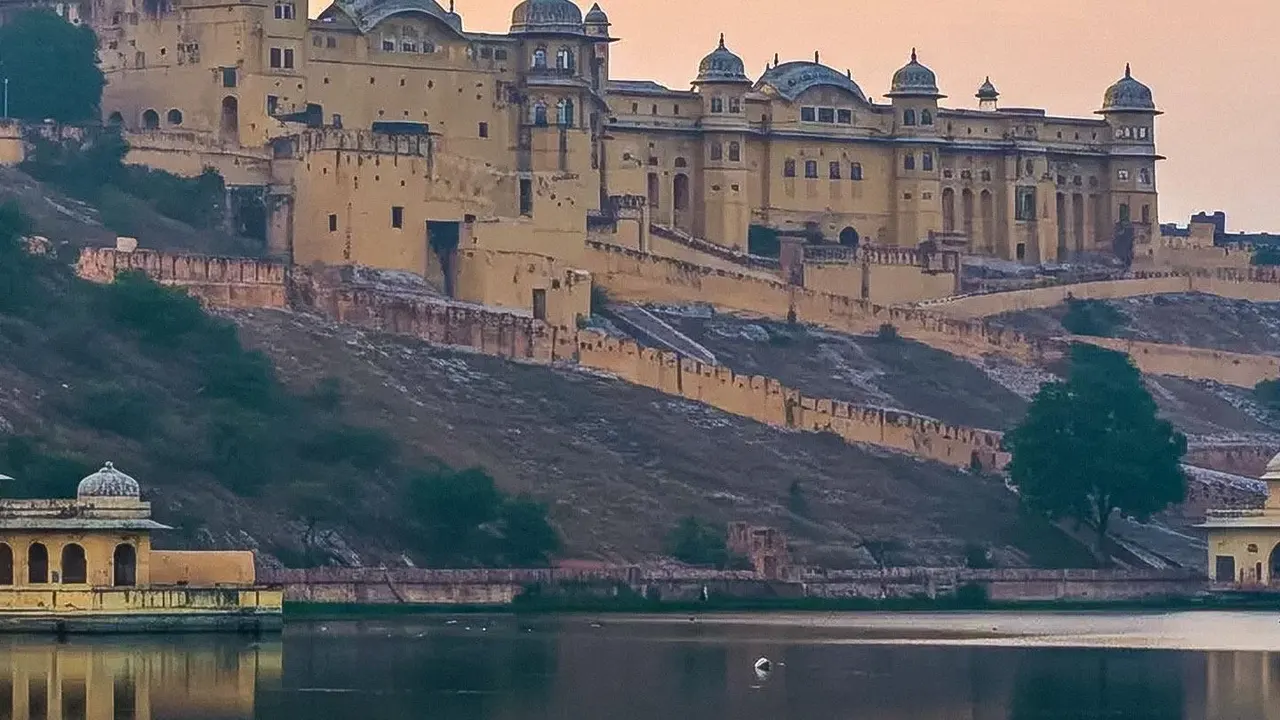
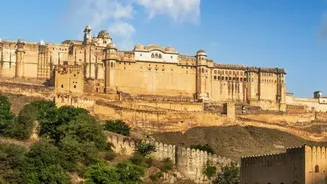
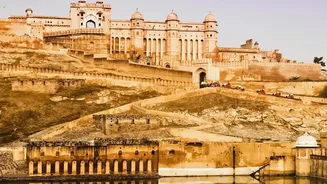
No trip to Jaipur is complete without visiting its formidable forts, each offering a unique window into the region's martial history. Start your day early at Amer Fort, a sprawling palace complex perched on a hill. Arriving in the first couple of hours after it opens allows you to appreciate its stunning Sheesh Mahal (Mirror Palace) in relative quiet before the crowds arrive. Next, visit Jaigarh Fort, which is connected to Amer and offers a more rugged, military perspective. It is famous for housing the world’s largest cannon on wheels from that era. Finally, plan to be at Nahargarh Fort for sunset. Sitting on the ridge of the Aravalli Hills, it provides a breathtaking panoramic view of the entire city as the lights begin to twinkle below.
The Vibrant Old City Bazaars
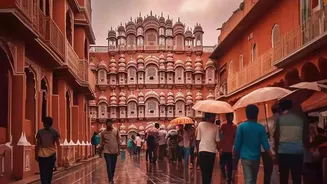
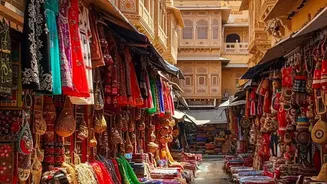
The soul of Jaipur resides in its vibrant bazaars, a sensory overload of colours, sounds, and scents. Johari Bazaar is the city's main jewellery market, renowned for traditional Kundan and Meenakari work. Just a short walk away is Bapu Bazaar, a one-stop shop for tourists seeking colourful textiles, leather jootis (footwear), and souvenirs. For a more local experience, head to Tripolia Bazaar, famous for its lac bangles, where you can often see artisans at work. Another key market, Chandpole Bazaar, is known for its handicrafts and marble carvings, offering a glimpse into the city's artistic traditions. Don't be afraid to bargain respectfully in most markets, as it's a part of the shopping culture.
Savouring Winter Delights
Winter brings its own special flavours to the streets of Jaipur. It's the season for 'gajak,' a crunchy sweet made from sesame seeds and jaggery, sold in stacks across the city. You'll also find vendors selling 'gond ke laddoo,' energy-rich sweets made with edible gum and dry fruits, traditionally eaten to stay warm. For a savoury treat, grab a hot 'pyaaz kachori,' a flaky pastry filled with a spiced onion mixture, which is a quintessential Jaipur snack best enjoyed on a cool morning. And no winter evening is complete without sipping on a hot 'kulhad chai' (masala tea in an earthen cup) from a street side vendor.
A Suggested 3 Day Plan
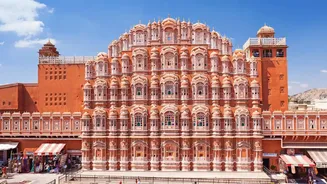
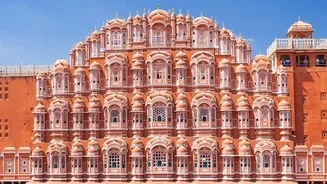
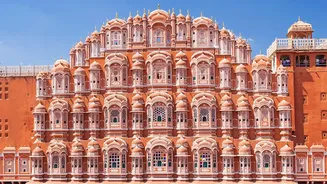
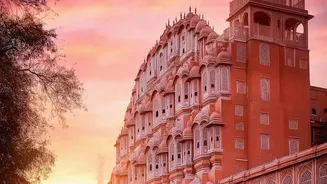
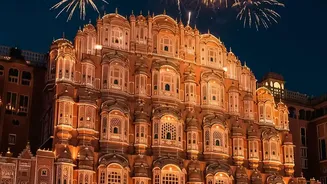
To make the most of your trip, consider a structured approach. On Day 1, focus on the forts. Start with an early morning at Amer Fort, followed by Jaigarh Fort, and end with the sunset at Nahargarh. On Day 2, explore the walled city. Begin at Hawa Mahal to catch the morning light on its famous facade, then visit the adjacent City Palace and the Jantar Mantar astronomical observatory. Spend the afternoon and evening wandering through Johari and Bapu Bazaars. Use Day 3 for a slower pace. You could visit the Albert Hall Museum, explore other markets like Chandpole Bazaar, or take a food trail to sample the winter delicacies you've missed. This pace allows for both sightseeing and spontaneous discovery.