




From Passive to Active Holidays
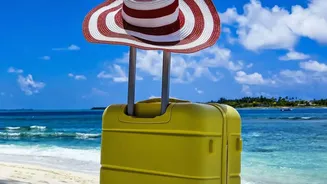
For years, a trip to a coastal destination meant relaxing on the beach. Today, that is changing. A growing segment of Indian travellers is no longer content with just watching the waves; they want to be in them. This shift marks a move from passive holidays
to active, experience-driven travel. The adventure tourism market in India is expanding rapidly, with water-based activities forming a significant part of this growth. Destinations like Goa, Rishikesh, and the Andaman Islands now offer a wide array of activities such as jet skiing, parasailing, and surfing, catering to this demand for dynamic vacations. This trend reflects a broader desire for holidays that offer more than just relaxation, providing instead a sense of accomplishment and memorable stories to share.
The Search for Wellness and Tranquility
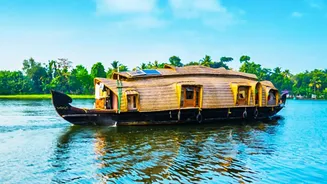
In a fast-paced world, the search for mental peace has become a travel motivator. Water, with its natural calming properties, is at the heart of this trend. Wellness retreats centered around water are gaining popularity, offering everything from yoga on a paddleboard to Ayurvedic treatments by serene backwaters. Destinations like Kerala, with its extensive network of backwaters and tranquil lakes, have become hubs for this form of tourism. Here, travellers can indulge in slow-paced activities like kayaking through narrow canals or staying on houseboats, allowing for a unique immersion into local life and nature. This focus on rejuvenation and mental well-being is a key reason why water-based getaways are appealing to those looking to disconnect and recharge.
The Call of Adventure
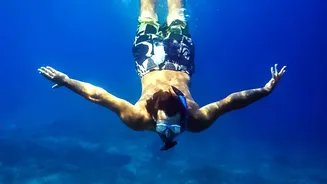
Alongside the quest for calm, there is a burgeoning appetite for adrenaline. India's diverse geography, from the Himalayan rivers to its extensive coastline, provides a natural playground for adventure sports. White-water rafting in Rishikesh, scuba diving in the Andaman and Nicobar Islands, and surfing in Kovalam are no longer niche pursuits but mainstream holiday goals. The market for adventure tourism in India is projected to grow significantly, driven by a young population and rising disposable incomes. Tour operators have responded by making these activities more accessible with professional instructors and safety equipment, encouraging even beginners to take the plunge. Recent reports even highlight how states like Kerala are now rivaling traditional hubs like Goa by offering a diverse mix of water sports backed by strong safety regulations.
The Social Media Influence
In the age of social media, the visual appeal of a holiday is more important than ever. Crystal-clear waters, vibrant coral reefs, and the thrill of riding a wave make for compelling content. A recent survey revealed that 72% of Indian travellers discover new and offbeat destinations through platforms like Instagram Reels. Water-based activities are inherently photogenic, from the colourful kayaks lined up on a bank to the stunning underwater shots during a scuba dive. This has created a cycle where travellers see inspiring content online and then seek to create their own, further popularizing destinations that offer these picturesque experiences. Influencers and user-generated content play a huge role in shaping travel aspirations, pushing water-centric holidays into the spotlight.
Growing Accessibility and Eco-Consciousness
What was once exclusive is now becoming more accessible. A wider range of destinations across different budgets are developing their water-based tourism infrastructure. From paddle boating on the Hirakud Dam in Odisha to kayaking in the backwaters of Kollam, options are emerging nationwide. Furthermore, there is a growing awareness among travellers about sustainable tourism. Many now prefer experiences that are not only enjoyable but also environmentally responsible. This has led to the rise of eco-tourism, where activities are designed to have minimal environmental impact. Many operators now integrate conservation messages into their tours, and travellers are increasingly choosing accommodations that practice water conservation and responsible waste management.