


Start with the Right Foundation
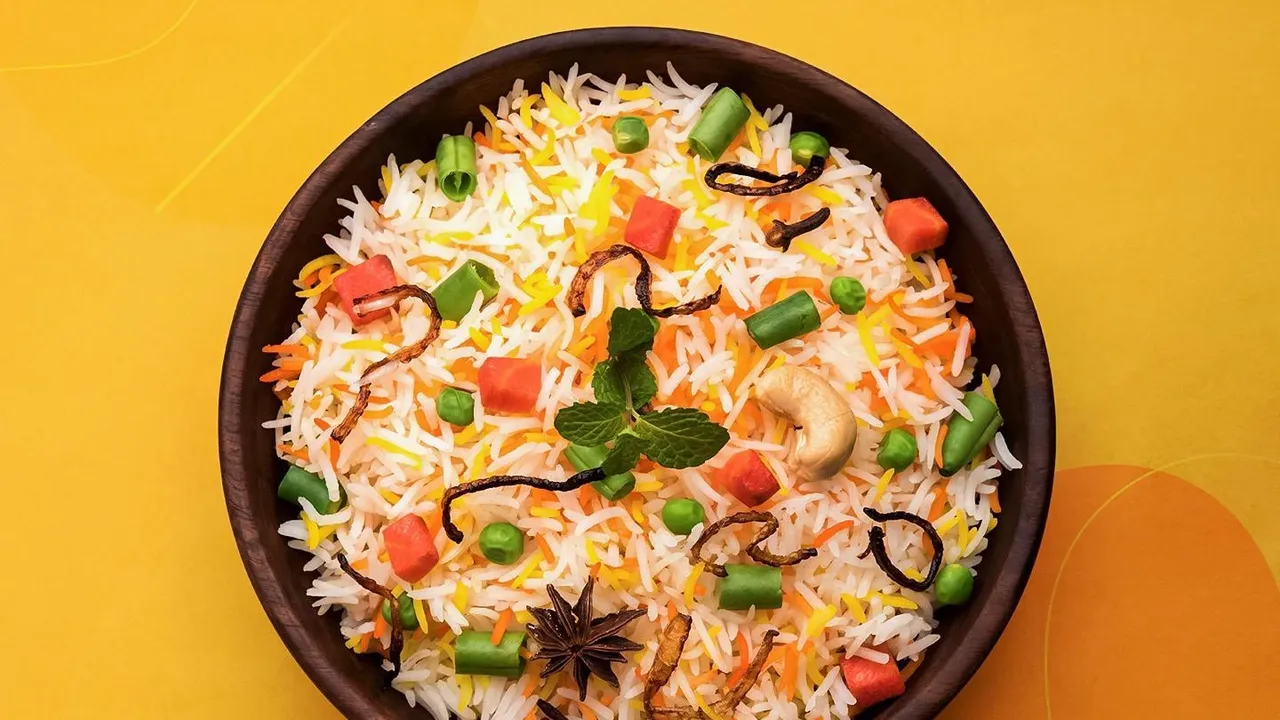
The journey to perfect rice begins long before you turn on the stove. While many types of rice exist, long-grain varieties like Basmati are prized in restaurants for their ability to cook up light, dry, and separate. This is due to their specific starch
composition. The next, and arguably most critical, step is washing the grains. Place your rice in a bowl or fine-mesh strainer and rinse it under cold water. Swirl the grains with your hands and you’ll see the water turn milky. This cloudy water is excess surface starch, the primary culprit behind sticky, clumpy rice. Keep rinsing and draining until the water runs mostly clear. This ensures that each grain will remain distinct after cooking. Some cooks also recommend soaking the rice for 20-30 minutes after washing; this helps the grains hydrate evenly, leading to a more consistent texture and that elongated look characteristic of restaurant rice.
Master the Ratio and Toast for Flavour
Forget the common 2-to-1 water-to-rice advice you may have heard. For long-grain rice like Basmati, the ideal ratio is closer to 1.5 cups of water for every 1 cup of rice. This precise measurement is key to avoiding a waterlogged, mushy outcome. Now for a game-changing technique used by many chefs: toasting the rice. In your pot, heat a small amount of fat like ghee, butter, or oil over medium heat. Add your drained rice and toast it for a minute or two, stirring gently. This step does two things: it coats the grains in fat, which helps keep them separate, and it develops a wonderful, nutty aroma that adds a deep layer of flavour to the finished dish. You can also add whole spices like cardamom pods, cloves, or a bay leaf at this stage for an extra boost of fragrance.
The Golden Rule of Cooking: No Peeking
Once your rice is toasted, add the measured water and a pinch of salt. Bring the water to a rolling boil. As soon as it’s boiling vigorously, give it one final, gentle stir, then immediately reduce the heat to the lowest possible setting. Cover the pot with a tight-fitting lid and let it simmer. The next 12-15 minutes are crucial, and the most important rule is to not lift the lid. Peeking allows steam to escape, which disrupts the cooking process and can lead to unevenly cooked rice. The trapped steam is what gently and evenly cooks the grains from all sides. To ensure an even tighter seal, some cooks place a clean kitchen towel over the pot before putting the lid on top, which helps absorb any excess condensation.
The Final, Forgotten Step: Let It Rest
When the cooking time is up and all the water has been absorbed, the rice still isn't ready. Turning off the heat and immediately serving is one of the biggest mistakes home cooks make. The most vital step for achieving that signature fluffy texture is to let the rice rest, off the heat, for at least 10 minutes, keeping the lid securely on. During this resting period, the magic happens. Any residual moisture redistributes throughout the grains, ensuring a uniform texture and allowing the starches to set properly. This prevents the rice from being wet or clumpy and allows it to finish steaming gently, resulting in perfectly tender, individual grains. For larger batches, a longer rest of up to 30 minutes can make an even bigger difference.
Fluff, Don't Stir
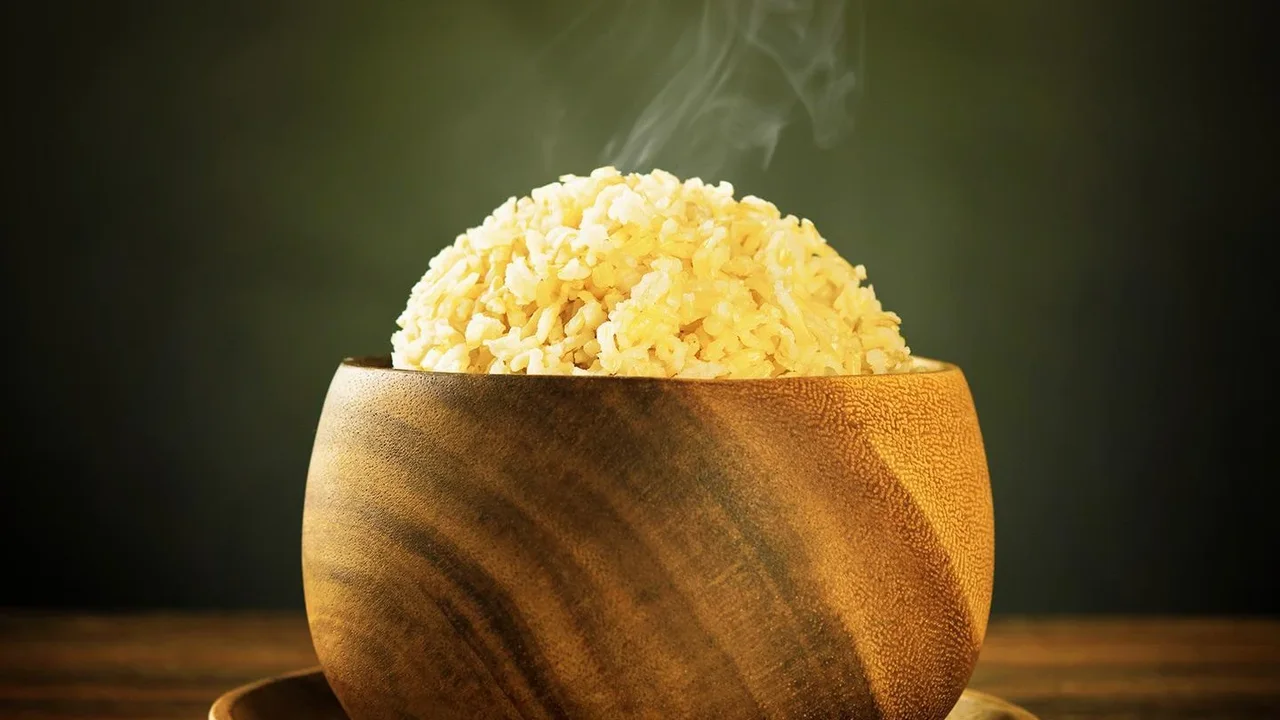
After the rice has rested, it's time for the final touch. Remove the lid and you will see a perfect bed of cooked rice. Resist the urge to use a spoon, which can mash the delicate grains together. Instead, take a fork and gently fluff the rice, scraping from the bottom of the pot upwards. This action separates the grains without breaking them, releasing any trapped steam and giving the rice its final, light, and airy volume. Now your rice is ready to serve, perfectly cooked and fragrant, just like you’d get at your favourite restaurant. You'll notice the difference in texture and aroma immediately, transforming a simple side dish into a highlight of your meal.