

In any Indian kitchen, two pans are constants: the flat tawa and a deep, rounded pan like a kadai. While both are essential, knowing which one to grab can be the secret to perfecting a dish. Let's break down their distinct roles.
The Specialist: Understanding the Tawa
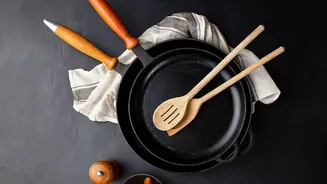
A tawa is a broad, shallow
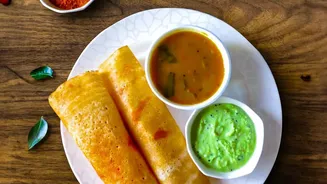
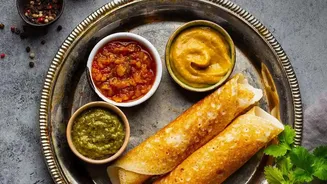
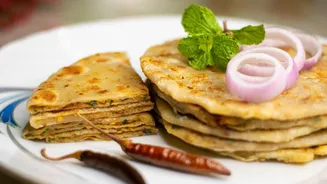
pan, either flat or slightly concave, designed for one primary purpose: cooking with direct, even heat across a wide surface. Its low or non-existent sides make it easy to flip and handle flat foods. Think of it as a griddle, but one that is central to Indian cooking. The most common use for a tawa is making flatbreads. It's the go-to vessel for making everyday rotis, chapatis, and parathas, providing the consistent high heat needed for them to cook evenly and puff up. For South Indian cuisine, a large, flat tawa is indispensable for spreading dosa batter thinly and achieving that signature crispiness. While its specialty is bread, a tawa can also be used for shallow-frying snacks like kebabs and cutlets or toasting a sandwich.
Materials and Shape Matter
Tawas come in several materials, each with its own personality. Cast iron is the traditional choice, prized for its excellent heat retention. Once a cast iron tawa is hot, it stays hot, which is ideal for churning out batch after batch of rotis or dosas without significant temperature drops. However, it requires seasoning and careful maintenance to prevent rust. Non-stick tawas are popular for beginners or those seeking convenience, as they require less oil and are easy to clean, making them great for dosas or cheelas. You'll also find tawas in aluminium, which is lightweight and heats up quickly, and stainless steel, known for its durability. The shape can also vary; a slightly concave tawa helps rotis puff up, while a perfectly flat one is better for dosas.
The All-Rounder: The Deep Pan or Kadai
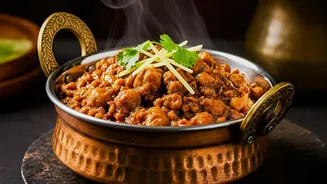
The deep pan, most commonly known as a kadai in India, is the kitchen's versatile workhorse. It's characterized by its deep, sloping sides, a rounded bottom, and two loop handles. This shape is not accidental; it's engineered for the dynamic nature of Indian cooking. The high sides contain liquids and prevent splattering, making the kadai perfect for simmering dals and curries, where ingredients are often stirred vigorously. The depth also makes it the ideal vessel for deep-frying everything from pakoras and samosas to puris and vadas, as it requires less oil to submerge food compared to a wider, shallower pan. Its ability to handle both wet and dry preparations, from sautéing vegetables (sabzi) to finishing a rich gravy, makes it one of the most frequently used pans in the kitchen.
Kadai Versatility and Materials
Like the tawa, the kadai is available in various materials. A cast iron kadai offers superior heat retention, making it excellent for deep-frying and slow-cooked dishes. Stainless steel is another reliable option, valued for its durability and non-reactive surface, which is important when cooking with acidic ingredients like tomatoes or tamarind. Modern kitchens often feature tri-ply stainless steel kadais, which have an aluminium core for better heat distribution, preventing the hot spots that can cause food to burn. Non-stick and hard-anodized aluminium kadais offer convenience and require less oil, catering to health-conscious cooking. A kadai's deep, bowl-like shape naturally pools oil in the center, which is efficient for tempering spices (tadka) and sautéing onions and garlic as the base for countless dishes.
The Final Verdict: Which Do You Need?
Comparing a tawa and a deep pan is less about which is 'better' and more about understanding their specialized jobs. You cannot effectively deep-fry in a tawa, and making a perfect, crispy dosa in a deep kadai is nearly impossible. The tawa is a specialist for flat cooking. Its wide, open surface is designed for direct heat transfer to breads and pancakes. The kadai, with its deep, containing walls, is the all-rounder built for liquids, frying, and mixed preparations. While you can technically make a roti in a frying pan, a tawa is designed to do it better by providing even heat and an accessible surface. For any kitchen where Indian food is regularly prepared, the question is not which one to choose, but rather recognizing that they are a complementary pair. If you make rotis or dosas daily, a tawa is non-negotiable. If your cooking leans more towards curries, dals, and sabzis, the kadai will be your most-used tool.