







More Than a Culinary Mashup
For decades, fusion food meant combining techniques and ingredients from different culinary traditions to create something new and exciting—think Indo-Chinese Manchurian or the Korean-Mexican flavours of a kimchi taco. It was an art of abundance and global
reach, often relying on imported, exotic ingredients to achieve its signature taste. While that creativity remains, a powerful new ethos is reshaping the movement. Chefs are now asking a different question: How can we innovate while respecting our environment? The answer is leading to a smarter, more sustainable, and arguably more creative form of fusion cooking.
The Rise of 'Glocal' Sourcing
One of the most significant shifts is the move away from a pantry stocked with ingredients flown in from across the globe. Today’s green-minded fusion chefs are embracing a 'glocal'—globally inspired, locally sourced—approach. Instead of importing yuzu from Japan, a chef in the hills of Himachal might experiment with the bright, acidic notes of the native large lemon (galgal) in a dressing for a Thai-style salad. Similarly, millets like jowar and bajra are being transformed into risotto or couscous, paired with Mediterranean herbs or East Asian sauces. This practice not only slashes the carbon footprint associated with food miles but also supports local farmers and celebrates regional biodiversity, giving dishes a unique sense of place.
Plant-Forward Is the New Frontier
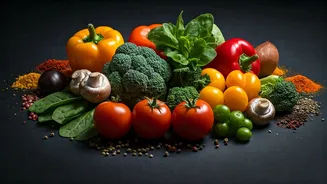
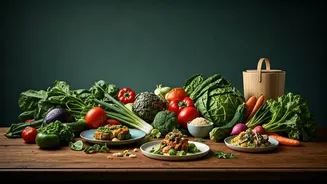
The global movement towards plant-based eating has found a perfect partner in fusion cuisine. Chefs are discovering that vegetables, legumes, and grains offer an incredible canvas for cross-cultural experimentation. This isn’t just about replacing meat; it’s about elevating plants to the centre of the plate. Imagine a jackfruit taco seasoned with South Indian spices, a mushroom steak with a Japanese teriyaki glaze, or paneer marinated in Peruvian anticucho sauce. This focus allows for immense creativity while catering to a growing demographic of diners who are health-conscious and environmentally aware. By making plants the star, fusion kitchens are reducing their reliance on resource-intensive animal agriculture and proving that sustainable can be spectacular.
The Zero-Waste Kitchen Philosophy
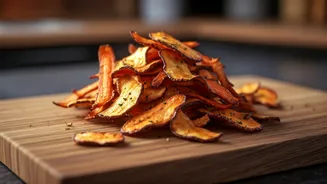
Fusion has always been about creative problem-solving, and that spirit is now being applied to tackling food waste. The 'root-to-leaf' and 'nose-to-tail' philosophies are gaining traction in fusion kitchens, where every part of an ingredient is seen as an opportunity. For example, the peels from potatoes might be fried into a crispy garnish for a Spanish-style tapa, while the leafy tops of carrots are blitzed into a pesto with an Indian twist. This approach isn't just ethically and economically sound; it pushes culinary boundaries. By finding delicious uses for parts of ingredients that would typically be discarded, chefs are creating deeper, more complex flavour profiles and running more sustainable operations.
Redefining Culinary Authenticity
Ultimately, this green wave is challenging our old ideas of what makes fusion food 'authentic'. Authenticity is no longer just about perfectly replicating a dish from another country or combining two far-flung flavour profiles. Instead, a new authenticity is emerging—one that is rooted in a chef's immediate environment and personal values. It’s about being true to a global mindset while honouring local ecosystems. The most exciting fusion food today tells a story not just of two cultures meeting on a plate, but of a chef’s commitment to flavour, creativity, and the planet.