


A quiet revolution is unfolding in India’s wardrobes. Rejecting the churn of fast fashion, a new generation is turning to the timeless appeal of handloom, seeking authenticity and connection in every thread. This shift is more than a trend; it's a lifeline.
A New Generation's Wardrobe
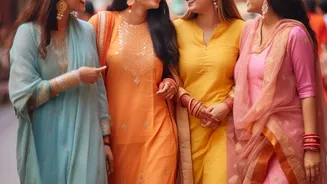
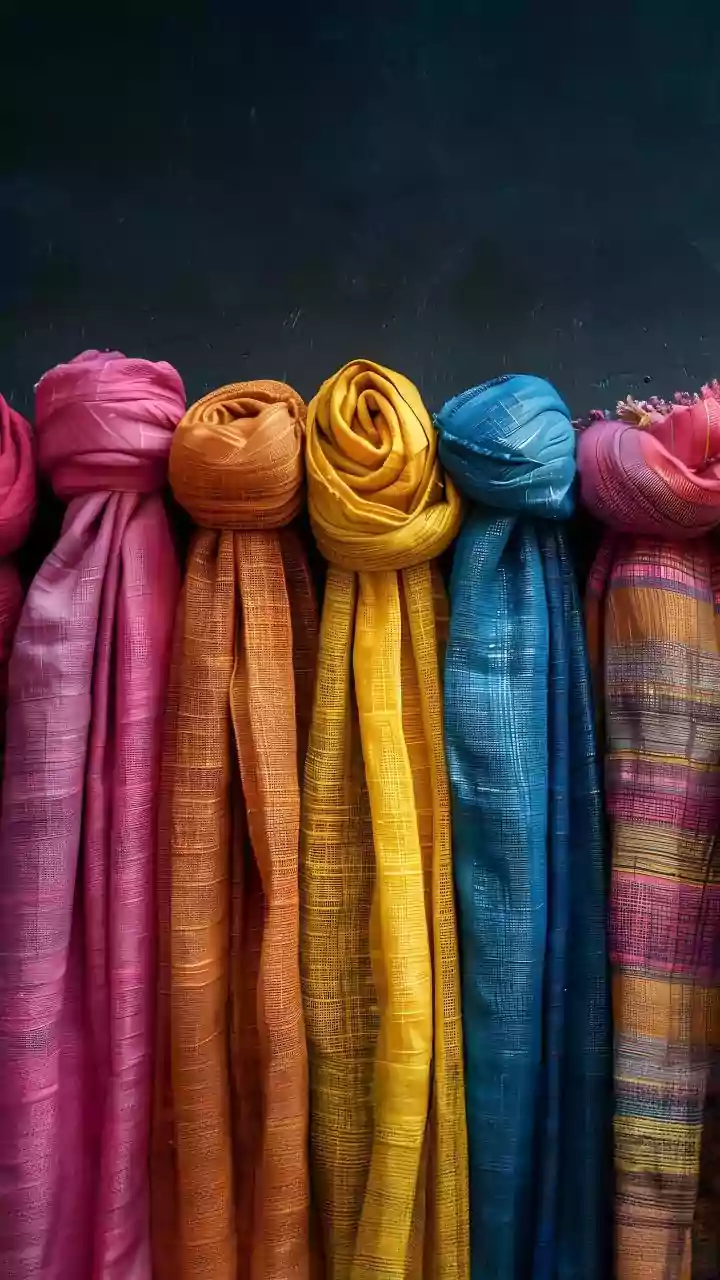
For many young Indians, clothing is increasingly becoming an extension of their identity and values. There is a clear move away from mass-produced items towards pieces that tell a story. This conscious consumerism is driven by a desire for sustainability, ethical production, and a connection to cultural roots. Unlike previous generations for whom tradition and modernity were often seen as opposites, today's youth comfortably blend the two, pairing handloom fabrics with contemporary styles. The motivation is not nostalgia, but a genuine appreciation for the uniqueness and character of handcrafted textiles in a world of digital uniformity. This generation is asking more questions about where their clothes come from, prioritising quality and durability over fleeting trends.
The Social Media Weave
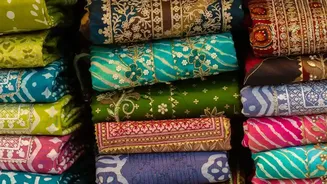
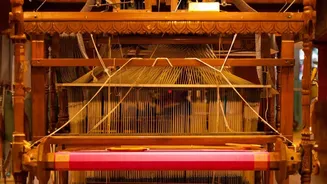
Digital platforms have become crucial amplifiers for this movement. Instagram, Pinterest, and YouTube are turning looms in remote villages into global enterprises. Social media influencers and a new wave of entrepreneurs are showcasing handloom in fresh, modern ways, breaking the perception of it being reserved for older generations or festive occasions. Visually rich platforms allow the intricate beauty and storytelling behind textiles like Banarasi silk or Pochampally ikat to reach a worldwide audience. This online visibility allows weavers and artisan-led brands to connect directly with consumers, sharing their process and building a community around their craft, which fosters greater appreciation and demand.
Revitalising the Clusters
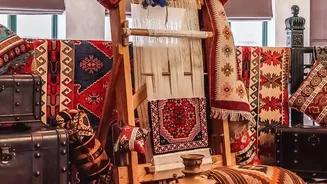
This growing interest is translating into tangible change on the ground. Weaving clusters that faced decline due to competition from power looms and dwindling interest are seeing a revival. Initiatives by both government and private players are helping to bridge the gap between artisans and markets. Schemes like the National Handloom Development Programme (NHDP) and the PM Vishwakarma Scheme provide support through skill development, access to raw materials at subsidised rates, and financial assistance. Furthermore, social enterprises and design collaborations are introducing contemporary colour palettes and functional designs, making traditional weaves more appealing to modern consumers without losing their regional identity. This has been crucial in reviving near-extinct traditions, such as the Tangaliya weave from Gujarat.
The Challenges Ahead
Despite the positive momentum, significant hurdles remain. Weavers continue to struggle with livelihood instability, rising costs of raw materials, and intense competition from cheaper, machine-made textiles. Many younger members of weaving families are still drawn to urban areas in search of more stable incomes, threatening the transfer of generational knowledge. While a majority of young consumers express willingness to pay more for sustainable products, affordability remains a major barrier. For handloom to truly thrive, the sector needs to overcome issues of scale, market access, and ensuring fair wages flow directly to the artisans, not just intermediaries. Stronger authentication, like the Handloom Mark, is also needed to protect buyers from imitation products.
Weaving a Sustainable Future
The resurgence of interest in regional textiles is more than a fashion moment; it's a significant cultural and economic shift. It represents a move towards a more conscious way of living, where the value of a product lies in its story, its make, and its impact on people and the planet. For this revival to be sustainable, it requires continued support from consumers, innovation from designers, and robust policies that protect and empower the artisan. By embracing these fabrics, the younger generation is not just making a style statement; they are investing in the preservation of India’s rich cultural heritage and supporting the livelihoods of millions.