







The Core Principle: Versatility Without Bulk
Layering is the secret weapon for savvy travelers aiming for a light backpack. Instead of packing bulky, single-purpose items like a heavy winter coat and light summer dresses, you pack multiple thin, versatile garments that can be worn together or separately.
A simple t-shirt, a fleece jacket, and a waterproof shell can be worn in seven different combinations, adapting to everything from a warm afternoon to a cold, rainy evening. This strategy is about creating a modular wardrobe where each piece works with the others, maximizing your outfit options while minimizing weight and space. The goal is to have a collection of clothes that can handle diverse conditions, not a separate wardrobe for each possible temperature.
Start with Smart Base Layers
The foundation of any layered wardrobe is the base layer—the clothes that sit closest to your skin. Your best choices are lightweight, breathable fabrics that manage moisture. Merino wool is a traveler's favourite because it is soft, regulates temperature in both heat and cold, and naturally resists odour, meaning you can wear it multiple times without washing. Synthetic options like polyester or nylon blends are also excellent, as they wick sweat away from the body and dry incredibly quickly. For a seven-kilo bag, packing two or three high-quality base-layer shirts is often all you need for a multi-day trip. Don't forget thin wool socks, which will keep your feet comfortable in a surprising range of temperatures.
Mastering the Mid-Layer for Warmth
Your mid-layer is your primary source of insulation. This is where you add warmth as the temperature drops. The key is to choose items that provide significant warmth for their weight and bulk. A lightweight fleece jacket is a classic and effective choice. It’s warm, breathable, and packs down small. Another fantastic option is a thin down or synthetic-fill vest. It provides excellent core warmth, leaving your arms free, and can be compressed into a tiny pouch. A versatile cashmere or merino wool cardigan can also serve this purpose, easily transitioning from a casual day look to a smart evening outfit. The mid-layer should fit comfortably over your base layer without being restrictive.
The All-Important Outer Shell
The final piece of the puzzle is the outer layer, or shell. Its job is to protect you from the elements—namely wind and rain. Look for a jacket that is explicitly labeled as waterproof and windproof, not just water-resistant. A good shell jacket should be lightweight and uninsulated, designed to be worn over your other layers. This allows it to be useful even in a warm, tropical downpour. When combined with your base and mid-layers, this same shell will keep you warm and dry in much colder, harsher conditions. Because this is often your bulkiest item, it’s a prime candidate to wear on the plane to save precious space and weight in your bag.
Putting It All in a Seven-Kilo Bag
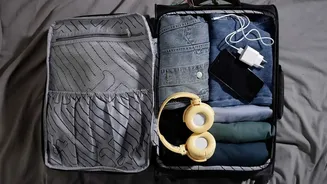
With your layered clothing system selected, fitting it all into a seven-kilo bag becomes a strategic exercise. First, choose a lightweight backpack or soft-shell bag, as the luggage itself can eat into your allowance. Next, use packing techniques to your advantage. Rolling clothes, especially synthetics and woolens, can save a significant amount of space and reduce wrinkling. Pack socks and other small items inside your shoes to utilize every bit of space. Be ruthless with your choices: stick to one or two pairs of versatile shoes and a minimal set of travel-sized toiletries. Remember to wear your heaviest items—your jacket, boots, and perhaps a pair of trousers—during travel. This single move can save one or two kilograms from your bag's total weight.