

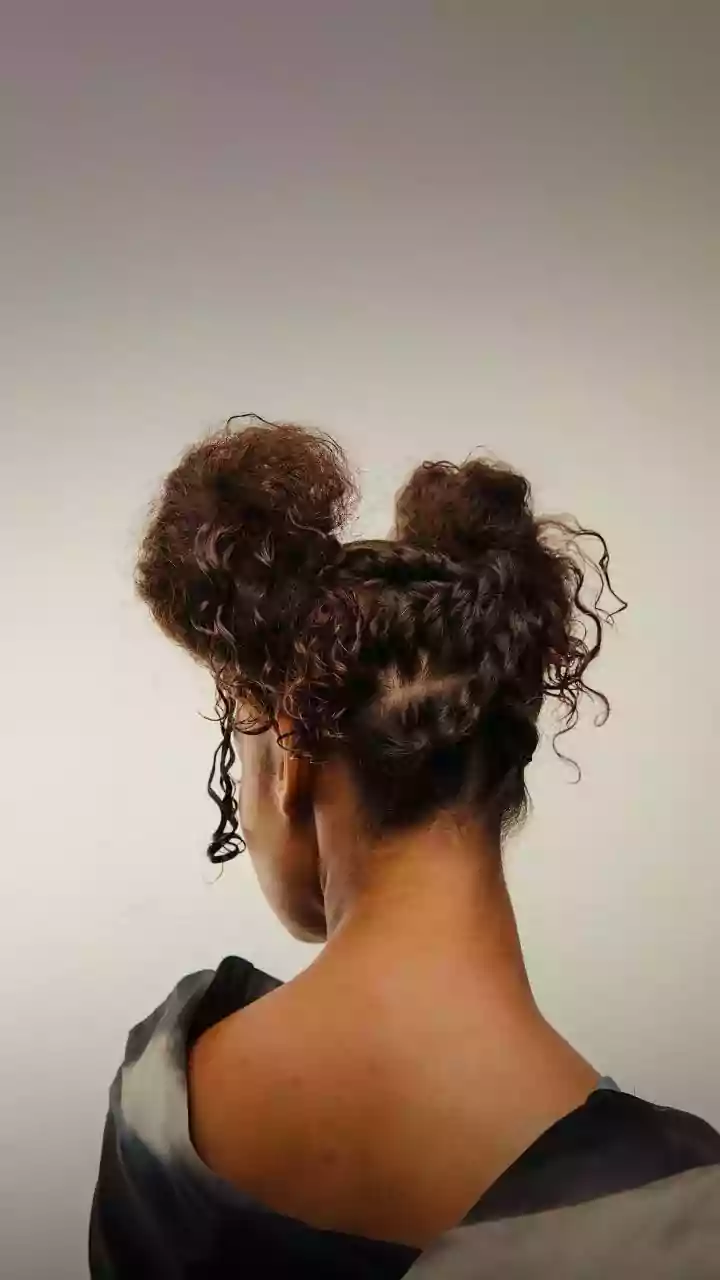




The updo is a timeless style, perfect for special occasions and everyday elegance. Yet, many struggle to create a look that lasts. The secret isn't a specific hair type, but the right technique and preparation for the hair you have.
The Foundation is Everything
The number one reason
updos fail is starting with hair that is too clean and slippery. Professional stylists often prefer working with 'second-day' hair because it has more natural grip. If you must wash your hair, do it the night before. Before styling, the key is to build a workable base. A texturizing spray or dry shampoo is crucial for all hair types, as it adds the grit needed for pins to hold securely. Mousse can also provide volume and hold when applied before blow-drying. Layering products smartly—starting with a texturizer for grip, then using sprays for hold—creates an invisible scaffold that keeps the style in place without stiffness.
Tips for Fine Hair
For those with fine or thin hair, the biggest challenges are creating volume and preventing the style from slipping. The goal is to create the illusion of fullness. Start by applying a volumizing mousse or a texturizing spray from roots to ends to give strands some body and grip. When creating a bun, avoid pulling the hair tight. Instead, gather it loosely and gently pull out sections around the crown to create softness and the appearance of more hair. Using U-shaped pins or spin pins can provide a better anchor than traditional bobby pins, which tend to slide out of fine hair. For styles like top knots, teasing the hair at the crown before putting it into a ponytail can make a significant difference. Finally, accessories like a foam hair donut are a simple hack to make a bun look three times larger.
Mastering Thick Hair
Thick hair offers natural volume but can be heavy, causing updos to loosen and fall under their own weight. The key to managing thick hair is structure and support. Braids are an excellent tool; incorporating them into an updo helps contain the hair and distribute its weight more evenly. For a classic low bun, thick hair works particularly well as it provides a naturally structured and voluminous shape. When pinning, ensure you create a strong internal structure. One professional trick is to crisscross bobby pins to lock them in place, providing a much stronger hold. If your hair is also curly, a flexible hold hairspray can help smooth strands and control frizz without creating a stiff, unnatural look.
Embracing Curls and Coils
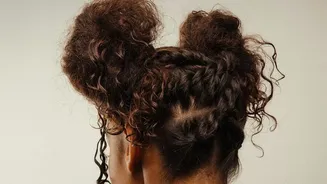
Curly and coily hair has fantastic natural volume and texture, which is perfect for creating stunning updos. The goal is to work with the curl pattern, not against it. Don't wash your hair right before styling; dry, day-old curls are often easier to work with. To start, prep the hair with a leave-in conditioner or curl mousse to enhance shine and springiness. Styles like a 'pineapple'—a high, loose ponytail on top of the head—allow curls to cascade naturally. For messy buns, gather curls loosely and pin sections around the base, leaving some ends free to maintain the textured look. To add definition to face-framing pieces, you can use a curling wand on individual strands. Using a diffuser to dry curls can help set them with maximum shine and minimal frizz before you begin styling.
Secrets to All Day Hold
Once your updo is complete, securing it properly is the final step. When using hairspray, hold the can at least six to eight inches away from your hair and apply it as a light mist. Spraying too close can create shiny, hard patches. For a truly secure hold, some stylists spray in two stages : a light mist after the main structure is in place , and a final coat over the finished style . For flyaways , instead of spraying directly onto your hair , spray a small amount onto your fingertips and gently smooth them down . Finally , pack a small touchup kit with a few extra bobby pins and a travel sized hairspray for any emergencies throughout the day or night .